


2-year diplomas being canceled starting from 2027: «Medical Brother» system to be introduced!
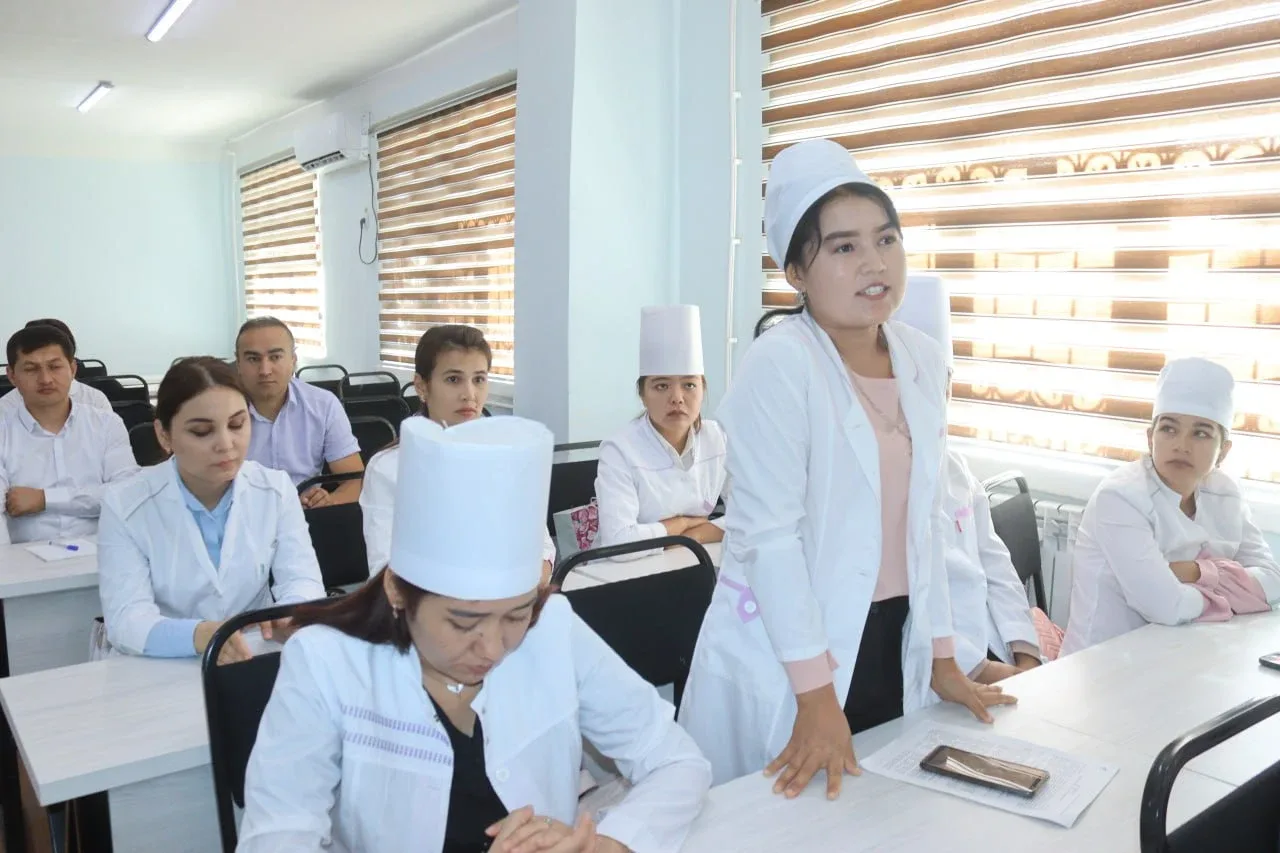
An era of major reforms that fundamentally changes long-standing traditional rules in Uzbekistan's national healthcare and medical education system is beginning. It has been revealed that starting from the next academic year, the practice of training nurses based on two-year educational programs in medical technical schools and colleges across the country will be officially suspended. This means that current two-year technical schools will only be able to admit students for the final time in the current academic year. According to the new procedure, the outdated «nursing» direction will be completely revised, and on its basis, the specialty of «medical accompaniment work», as well as the undergraduate direction of «higher medical accompaniment work» in higher education institutions, will be widely introduced.
Most notably, it was established that graduates of this direction will be awarded the qualification of a nurse, while male specialists will officially receive the qualification of «medical brother». In order to sharply increase the share of personnel with higher education in the field, state grants and orders for this direction will be increased by at least 20 percent annually until the 2030/2031 academic year. So, why are technical schools stopping the training of nurses, what will the «medical brother» status change for male medical workers, and what new breath will the new undergraduate system bring to the healthcare sector?
«Final admission to 2-year programs»: Historical change in medical technical schools
The new procedure being introduced for training mid-level medical personnel:
Cancellation of 2-year admission: Training and admitting students to medical technical schools based on two-year short-term educational programs for mid-level medical staff will be suspended;
Final opportunity: Existing medical technical schools will have the right to admit students based on the old system and two-year standards only for this year;
Adaptation to international standards: The decision is being adopted to improve the qualifications of ward and procedural nurses in medicine and to master advanced foreign clinical practices in patient care.
Essence of «Medical Accompaniment» and «Medical Brother» new directions
Details of the new specialties being created in the educational system:
«Medical accompaniment work»: In place of the traditional «nursing» direction, a specialized direction incorporating modern clinical care and monitoring skills will be formed;
«Higher medical accompaniment work» undergraduate program: Based on higher nursing, the system of training fully qualified specialists with a higher education bachelor's degree will be expanded;
«Medical brother» qualification: Female graduates of the undergraduate program will be awarded the status of nurse, while male specialists will officially receive the qualification status of «medical brother» (medbrat);
Annual 20 percent grant growth: The state order for higher medical accompaniment will be continuously increased by at least 20 percent annually until the 2030/2031 academic year, expanding the scope of budget-based education.
New stage of higher medicine: What do patients and hospitals gain?
Strategic results expected by industry specialists:
Increase in qualification and responsibility: Nurses and medical brothers with higher education will not be limited to simple procedures, becoming equal assistants to the doctor in complex resuscitation, diagnostic, and therapeutic processes;
Men's interest in the field: The legal consolidation of the official «medical brother» status and the provision of higher education will serve to increase the number of male personnel in medicine;
Recognition in foreign clinics: The higher undergraduate diploma will ensure that Uzbek nurses can freely work in the international medical community and easily pass nostrification processes.
This radical turning point being implemented in Uzbekistan's medicine has become a bold step towards elevating the lower tier of healthcare to a higher level and providing highly qualified medical accompaniment services to every patient.
In your opinion, was 2 years of study at a technical school insufficient to become a regular nurse — can raising the system to a higher undergraduate level improve the quality of service in hospitals? How do you view the awarding of the «medical brother» status to male specialists? Leave your analytical thoughts in the comments and share the details of this historical change in medical education with all medical workers, university applicants, and your loved ones!



Comments 0
…