


German scientists develop hydrogen engine with 60 percent efficiency
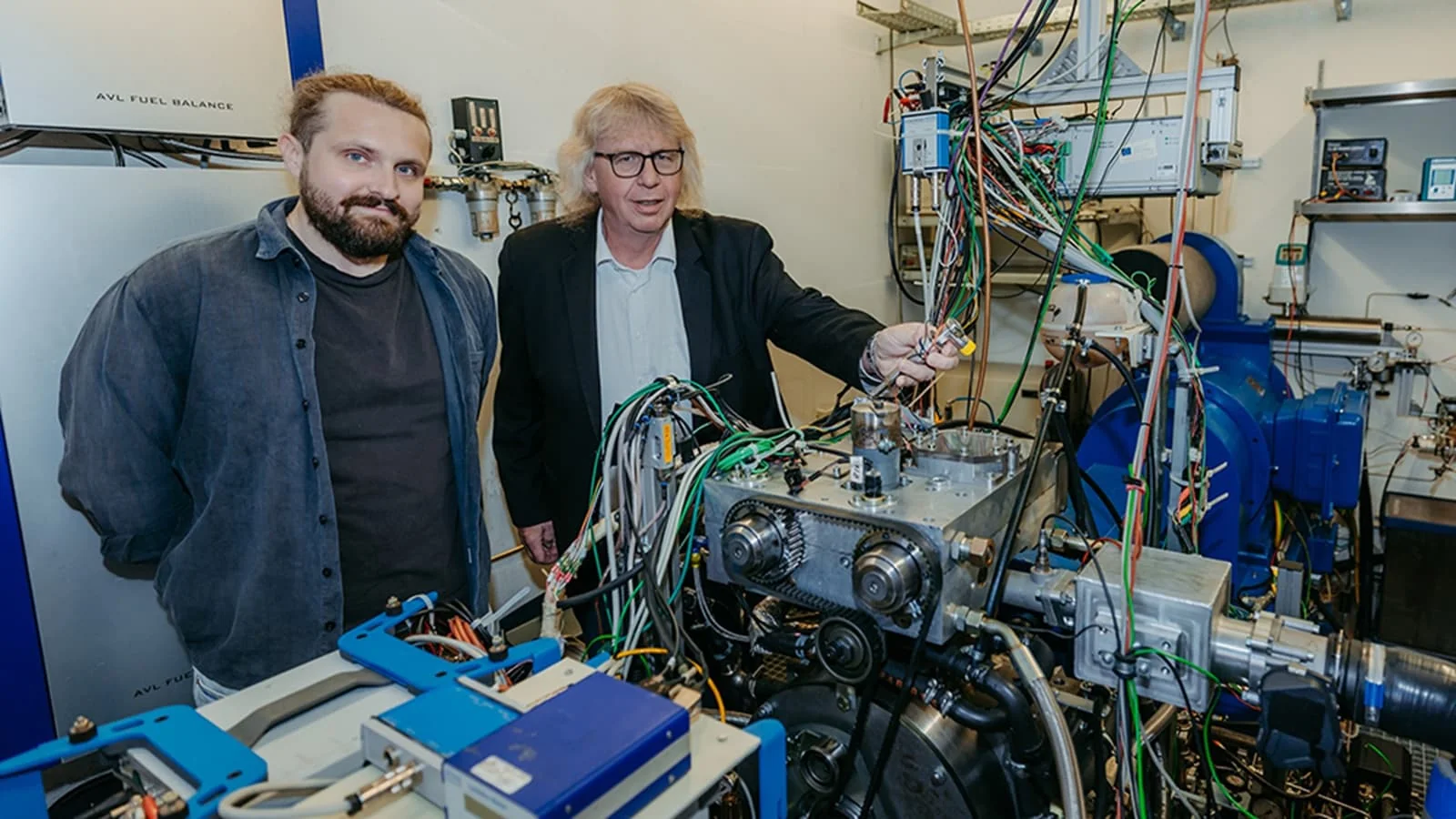
German researchers have developed a closed-cycle hydrogen engine capable of competing with diesel engines. The project was created at the Otto von Guericke University Magdeburg. Ixbt.com reports on this.
The main feature of the engine is its operation in a closed circuit. Hydrogen, oxygen, and argon are used as the working mixture.
Hydrogen serves as the energy source, oxygen for the reaction, and argon acts as a process stabilizer.
The developers state that after each working cycle, the majority of the gas mixture is not exhausted. It is cooled, purified, and returned to the system.
This allows the engine to operate without traditional emissions.
Test results showed that the system combines high power and an efficiency of over 60 percent. This figure is nearly the same as for diesel units.
This technology is considered very convenient for trucks, agricultural, and construction machinery. According to the project authors, the closed system will also be economically beneficial in the long term.



Comments 0
…