


Scientists grow chickpeas in simulated lunar soil for the first time
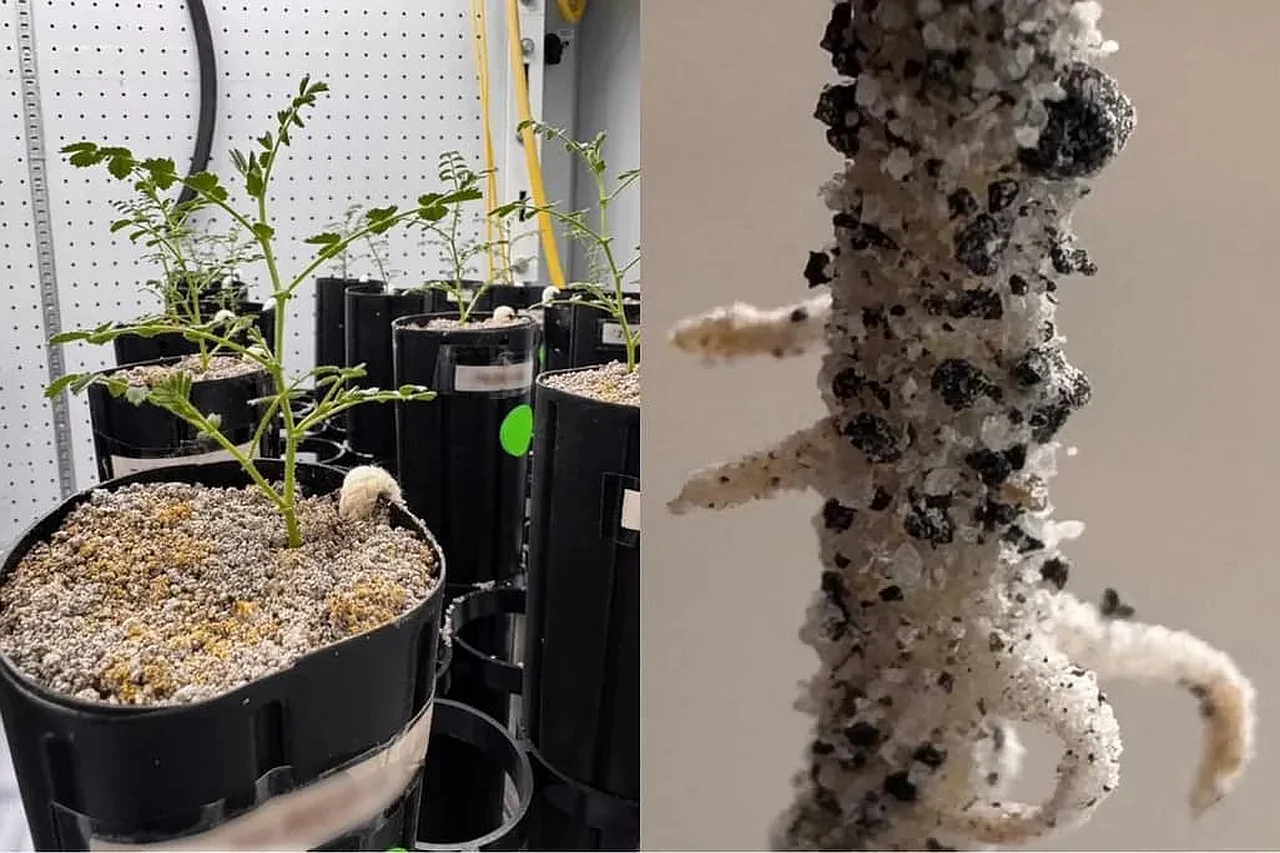
NASA is planning to send astronauts to the Moon in the 2030s. For this reason, the issue of growing food on space stations is of great importance. Ixbt.com reports.
Scientists at the University of Texas at Austin have demonstrated the possibility of growing chickpeas in simulated lunar soil.
Lunar soil, known as regolith, is an extremely hostile environment for plants. It lacks organic matter and contains toxic heavy metals.
To address this problem, the researchers added worm castings and special fungi to the soil.
Experiments showed that chickpeas can be grown in a mixture containing up to 75% regolith. The fungi help plants absorb nutrients and reduce the effects of heavy metals.
Scientists are currently studying the safety of the harvested crops. If the results are positive, astronauts will be able to grow their own food in lunar soil in the future.



Comments 0
…