


China to expand Tiangong space station to six modules
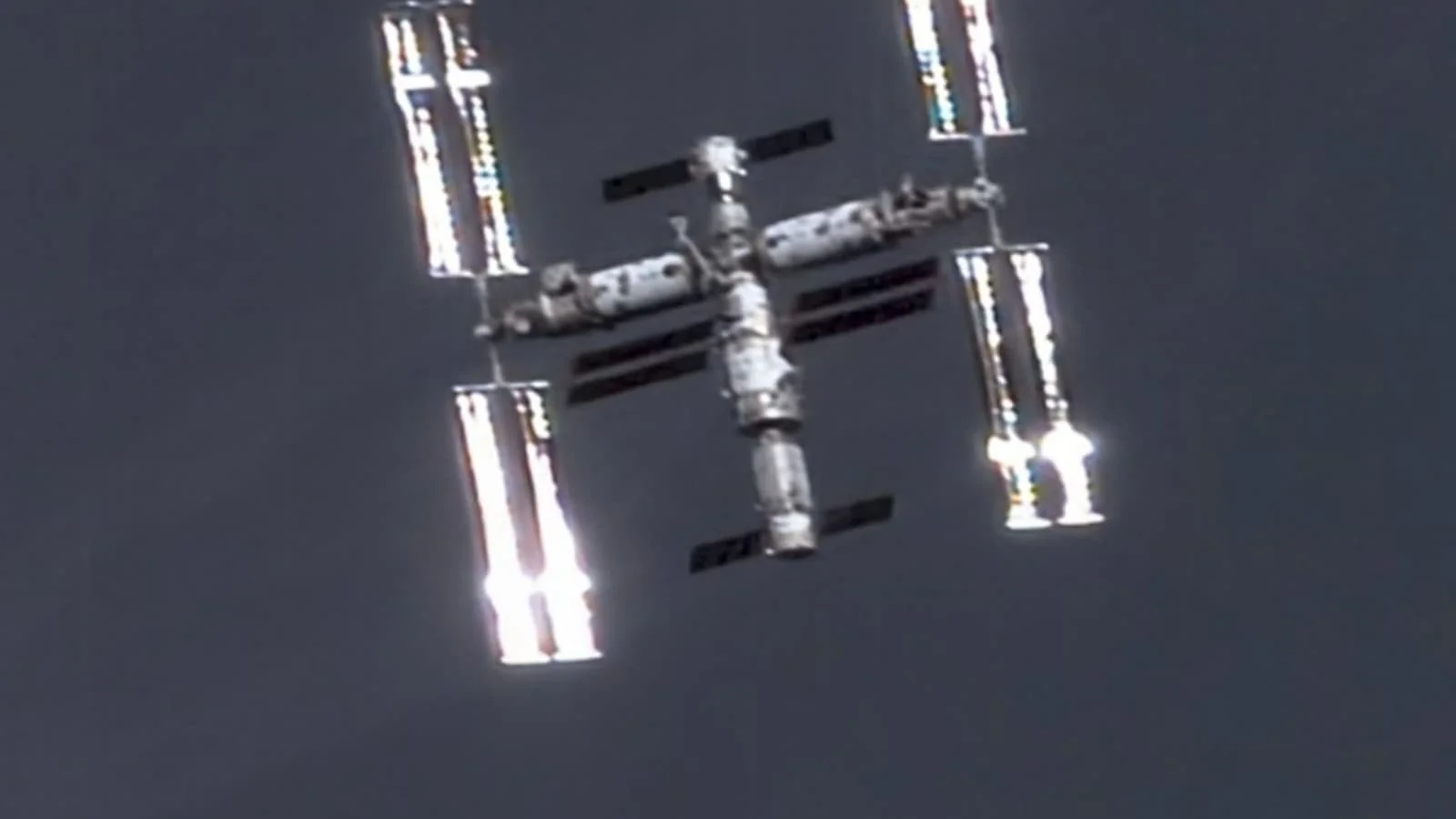
China is preparing for a new phase in the development of its Tiangong orbital station. In the coming years, the station's current T-shape could be expanded into a cross-like configuration and eventually into a structure consisting of six modules. This was reported by Ixbt.com xabar.
This will transform Tiangong into a major orbital laboratory designed for scientific experiments and international cooperation.
The expansion of the station will begin with the addition of a multifunctional module to the Tianhe core node. This fourth module will feature a specialized airlock for extravehicular activities.
In the future, this could lead to the creation of a full six-module station with a total mass of approximately 180 tons.
China is modernizing its rockets and technical infrastructure to support the station's development. Specifically, work is underway on an enhanced version of the Long March 5B rocket and updated robotic manipulators.
If the plans are realized, Tiangong could operate for another 15 years. Once the International Space Station is deorbited, it is expected to remain the only large, permanently active station in low Earth orbit.



Comments 0
…