


Global IT giants plan to spend $700 billion on Artificial Intelligence
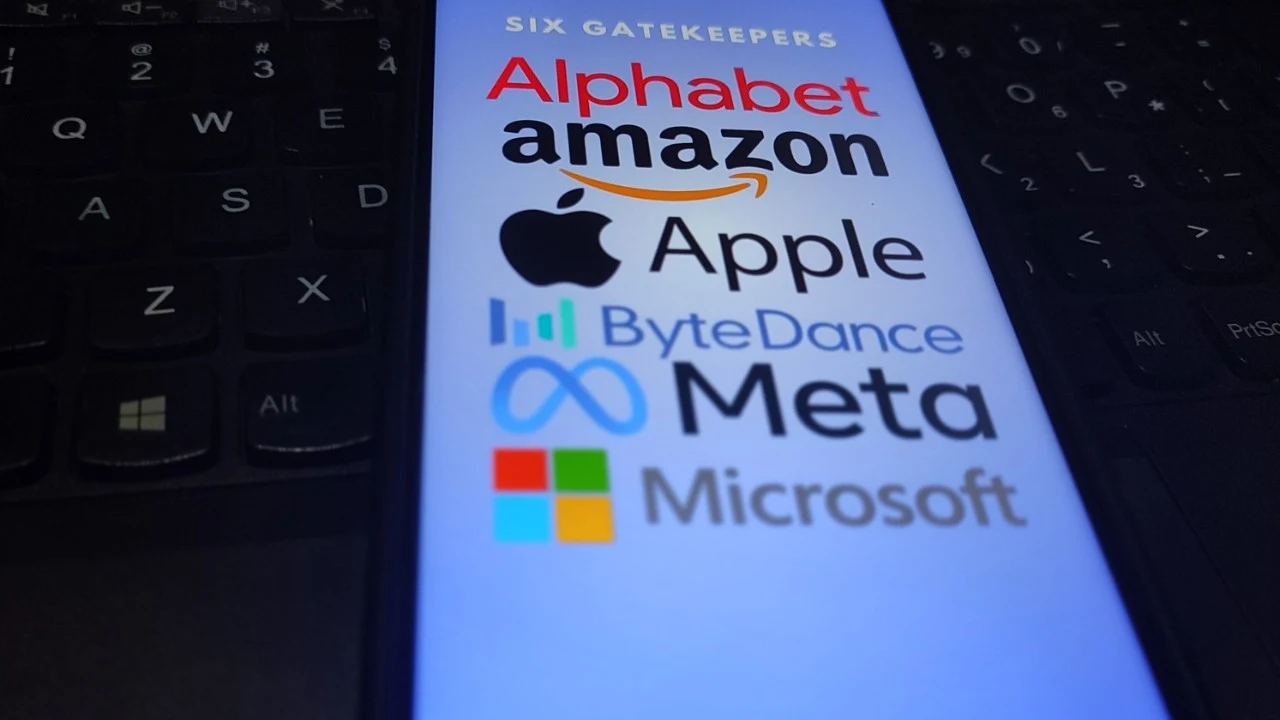
An unprecedented financial race is intensifying in the global technology world. The world's largest IT empires, Meta, Alphabet (Google), Microsoft and Amazon have released their latest financial reports. According to them, most of these giants have decided to significantly increase their capital expenditure (capex) for the current year 2026.
Four major brands aim to spend a total of nearly $700 billion to develop Artificial Intelligence (AI) infrastructure — modern data centers, the most powerful microchips, network systems, and cloud technologies.
Meta updates plans, Amazon remains stable
The biggest leap in this spending race was observed at the company led by Mark Zuckerberg, Meta . The corporation raised its expenses to as much as $125-145 billion . This is nearly 8 percent more than the company's previous financial plans.
Also, Microsoft and Alphabet corporations have revised their future technology spending forecasts upward. The king of e-commerce and cloud services, Amazon , chose to keep its expenses stable at the previously significant level of $200 billion .
Market whims: Who won and who lost?
After these astronomical expenses were announced, the reaction of international stock exchanges was varied and unexpected. For example:
Alphabet (Google) shares rose by 10 percent and delighted investors.
Meta company's securities, on the contrary, fell by 9 percent.
Expert commentary: According to analysts, major investors are no longer just mesmerized by the fact that billions are being poured into AI. They have begun to pay serious attention to how and in what amount these investments are bringing real revenue (profit) to the company, rather than just the amount of expenditure.
Google's cloud success and new strategy
How did Alphabet (Google) win investor confidence? First, the company announced that it would start offering its custom-designed AI chips to other external companies on a commercial basis. Most interestingly, it is reported that among the major clients wishing to purchase these chips is their main competitor — Meta.
Second, this strategy has already begun to bear fruit: Google Cloud quarterly revenue unexpectedly grew by 63 percent, crossing the massive $20 billion milestone.
Billions invested in internal needs
Meta, for now, is not selling its new AI chips externally, but is mainly directing them to reduce costs and optimize internal systems within its platforms. This strategy may be profitable in the long run, but in the short term, it disappointed investors expecting quick, trillion-dollar net profits, leading to a slight decline in their confidence.
In any case, it is clear that this massive "battle of billions" for the digital future will continue for a long time!



Comments 0
…