


New Windows 11 Media Player App: Slower Than the 17-Year-Old Classic Player
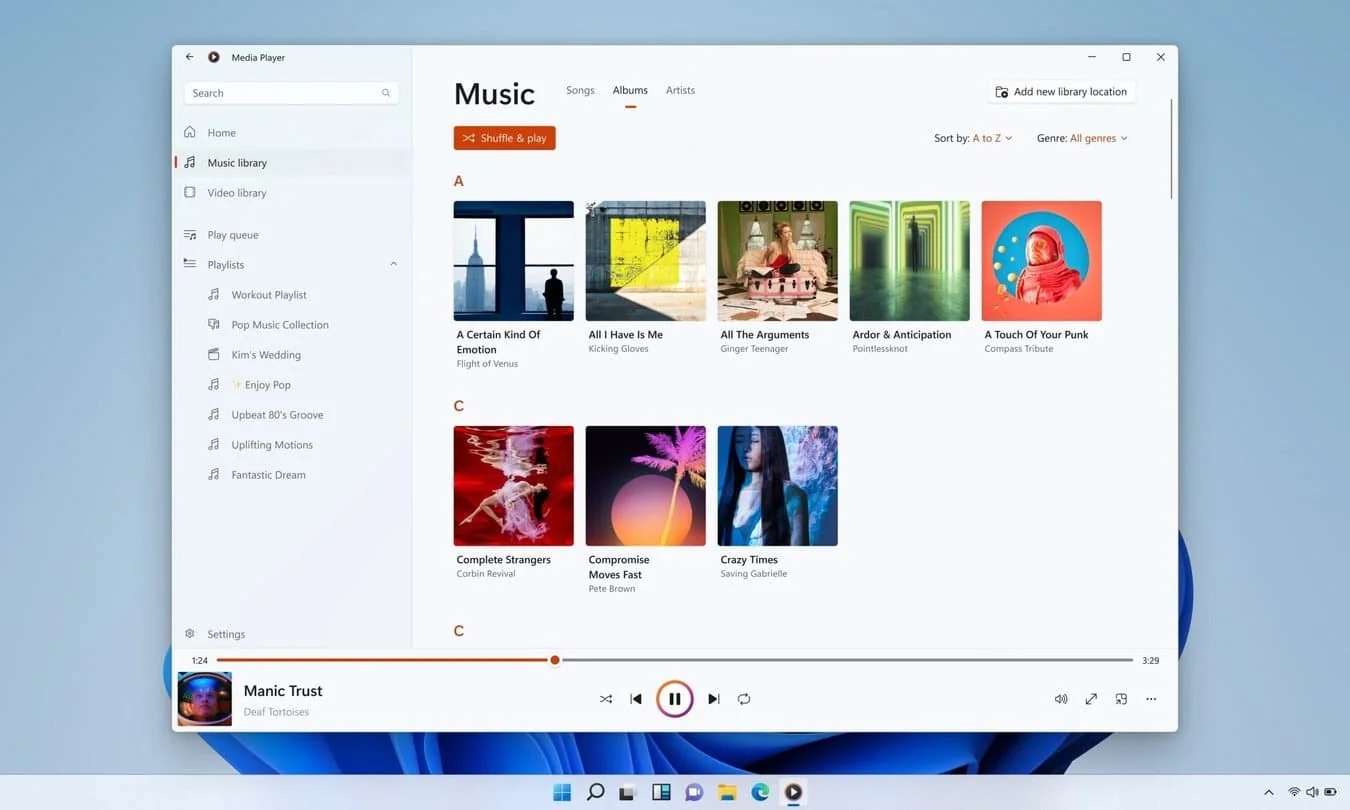
Microsoft has introduced an Insider Preview version of the updated Media Player app for the Windows 11 operating system. However, initial test results and user feedback have been somewhat different from expectations. It has become evident that this player, despite its modern design, is significantly heavier and slower compared to its 17-year-old predecessor — the classic Windows Media Player. This is reported by Ixbt.com news reports.
According to Windows Latest, the update in version 11.2605.14.0 is currently available only to Insider Preview participants. It introduces several functional changes, such as improved subtitles, more precise information regarding codec errors, and a redesigned media library scanning system. Additionally, the ability to synchronize subtitle appearance with system settings has been added.
Resource Consumption and Performance Issues
The main drawback of the new Media Player app is its excessive RAM consumption. According to tests, the new app occupies approximately 377 MB of RAM in an idle state (when no file is playing). For comparison, the classic Windows Media Player, which has been in service for nearly two decades, is limited to just 103 MB. This means the new program puts three times more load on system resources.Furthermore, the speed of opening local video files is not satisfying users. While the old player launches video almost instantly, significant delays are observed in the new app within Windows 11. This suggests that Microsoft focused more on the interface, leaving optimization as a secondary priority.
Codecs and Paid Restrictions
Another serious issue is related to the HEVC (H.265) format, widely used in modern smartphones. The standard player in Windows 11 often requires purchasing the HEVC Video Extensions from the Microsoft Store for $0.99 to open videos in this format. This creates inconvenience for users, as paying extra to watch a video taken on their own phone on a computer seems illogical.Meanwhile, starting from Windows 11 version 24H2, support for the AC-3 codec required to play Dolby Digital audio has also been removed. Against the backdrop of these changes, Microsoft is forced to recommend the following alternatives to users, or users are choosing them themselves:
- VLC Media Player — supports almost all formats for free and without additional codecs;
- MPV player — distinguished by its lightweight and fast operation;
- Classic Windows Media Player — still present in the system and works stably.


Comments 0
…