


Quick Commerce War in India: Flipkart and Amazon Competition Enters a New Phase
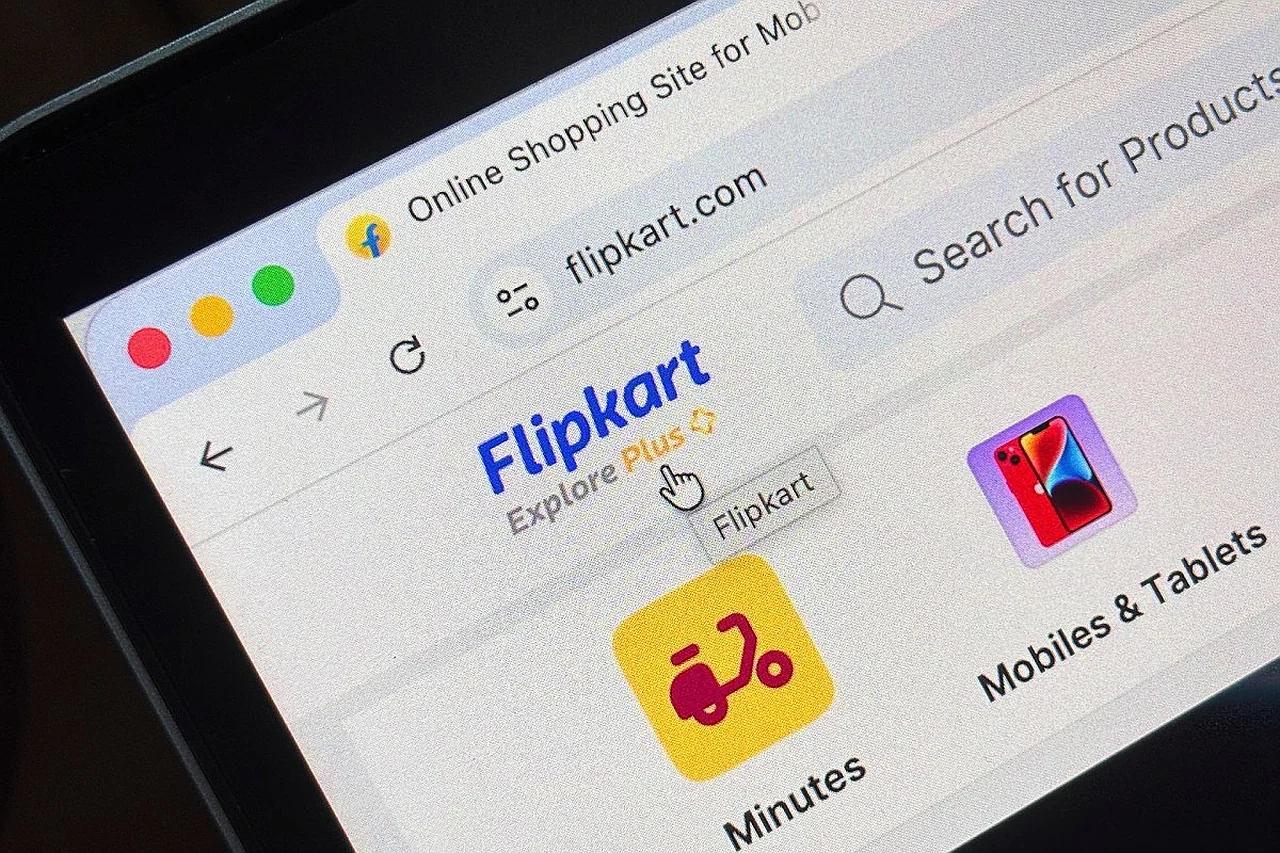
In India's e-commerce market, the "quick commerce" segment has become a new and fierce battleground. Flipkart, owned by Walmart, announced that it has established a network of 1,000 micro-logistics centers as part of its Minutes service. These strategic warehouses allow orders to be delivered to customers within a few minutes, and the company is competing with global giants like Amazon in this metric. This was reported by Techcrunch.com news states.
According to Flipkart representatives, there are plans to increase the number of such micro-centers to 1,500 by the end of 2026. According to Jefferies analytical data, Flipkart is expected to take second place in India in this metric after Blinkit. Blinkit currently leads the market with 2,243 centers. Local startups such as Zepto and Swiggy Instamart are also rapidly expanding their infrastructure.
Demand for electronics and beauty products is rising
This type of service, which initially started with the rapid delivery of only food products, is now expanding. Kunal Gupta, head of Flipkart Minutes, noted in an interview with TechCrunch that customers now prefer to receive not only milk or bread, but also electronics, cosmetics, and personal hygiene products within a few minutes. The volume of orders on the platform has grown by 400 percent compared to last year.Amazon is not willing to fall behind in this race. The company aims to expand its Amazon Now service to 100 cities and increase the number of micro-centers to over 1,000. According to Amazon data, 70 percent of new Prime members are coming from small and medium-sized cities. This indicates that quick delivery services are becoming standard not only for large megapolises but for the entire country.
Flipkart currently covers more than 130 cities and over 8,000 zip codes. Interestingly, the highest growth rates (over 4,000 percent) are observed in remote areas. Newly opened centers in cities like Patna, Guwahati, and Siliguri are reaching capacity much faster than expected. This shows that the shopping culture of Indian consumers is fundamentally changing.
Impact of competition on consumers
Such aggressive expansion in the quick commerce market is causing several important changes:- Delivery time is being reduced to 10-20 minutes;
- The product range is expanding to include household appliances and clothing;
- AI and automated systems are being implemented to reduce logistics costs;
- Modern retail infrastructure is developing in small cities.



Comments 0
…