


Former Starlink Engineers Found Eclipse Space: Satellites Based on the Apple Model
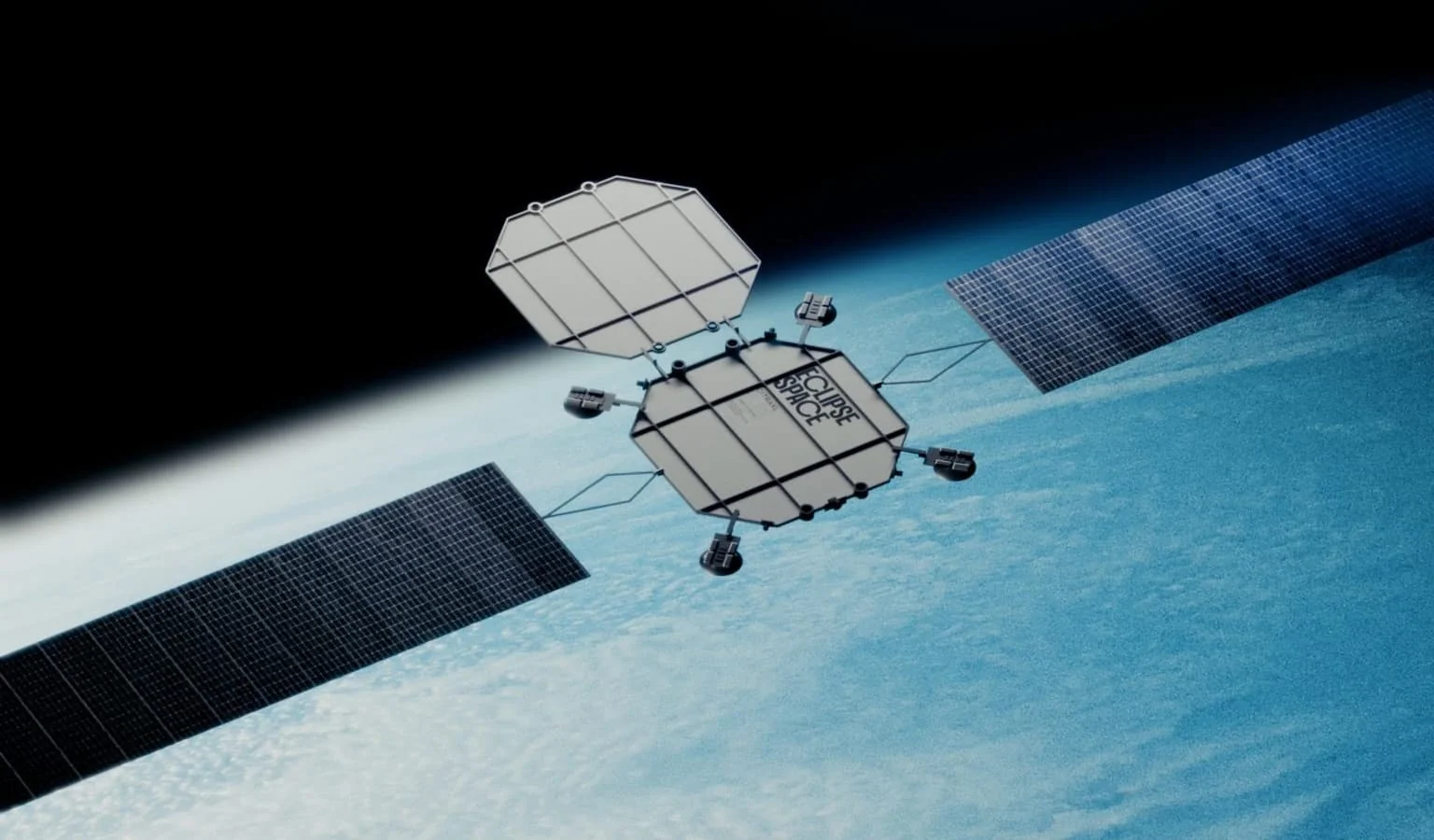
A group of experienced engineers who participated in creating and expanding SpaceX's Starlink project has announced a new startup called Eclipse Space. The company aims to provide governments and large corporations with a line of ready-made, easy-to-manage satellites, similar to the iPhone. This was reported by ixbt.com. report states.
Eclipse Space began its operations a year ago in Redmond, Washington — the same region where Starlink devices are manufactured. The founder and CEO of the startup, Derek Wirth, previously served as an engineering manager for satellite payloads at SpaceX. According to him, the company's first hardware products will be delivered to customers this year.
A New Approach to Production
While SpaceX uses a vertically integrated model, keeping all processes under its own control, Eclipse Space has chosen a completely different path — one characteristic of Apple. In this model, the startup develops the satellite architecture, owns the intellectual property, and designs the production processes, but delegates the actual assembly to regional partners.This approach allows customers to own their own personal satellite network without having to build a massive infrastructure on the scale of SpaceX. Currently, the startup employs nearly 30 people, more than half of whom are specialists directly from the Starlink project. Among them are senior engineers in phased array antennas, software, and power systems.
Technical Capabilities and Future Plans
The company's first full demo satellite is planned for orbit launch in 2027. This device will be built on a platform weighing less than 100 kg and will be equipped with a radiation dose sensor and instruments for measuring plasma parameters. Operational satellites will have the following technical specifications:- S-band phased array antennas;
- V-band inter-satellite communication links;
- Power systems with capacity up to 8 kW;
- Direct-to-Device technology for direct connection to smartphones.
In the future, the startup plans to expand its technologies to broadband internet and even orbital data centers. More than 20 of the company's devices can be launched into space using a single Falcon 9 rocket, ensuring the economic efficiency of the project.


Comments 0
…