


Brain Mystery: Hippocampus Found to Analyze Speech Even Under General Anesthesia
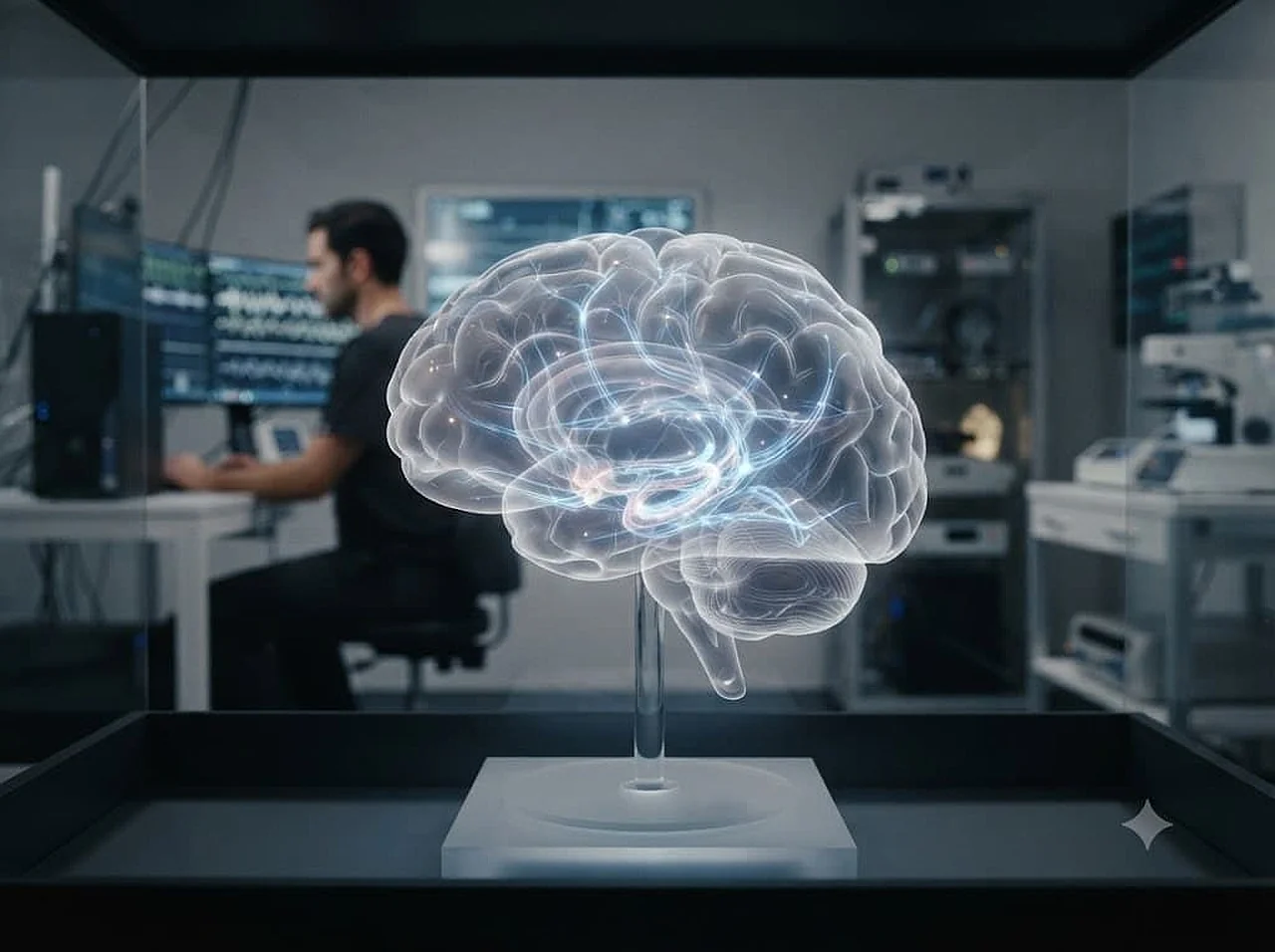
In the medical world, it has long been believed that a patient under general anesthesia is completely disconnected from the outside world and that their consciousness stops processing external signals. However, a new study conducted by scientists at Baylor College of Medicine in the USA has changed these views. According to a scientific paper published in the journal Nature, the part of the human brain responsible for memory — the hippocampus — continues to analyze speech and predict words even under deep anesthesia. This is reported by Ixbt.com reports .
A team of researchers led by neurosurgeon Sameer Sheth monitored the brain activity of seven patients during surgery. For the first time, high-precision microchips known as Neuropixels were used in the human hippocampus. This technology allowed for the simultaneous reading of signals from hundreds of individual neurons with unprecedented accuracy. Despite the patients being in a state of deep anesthesia under the influence of propofol, it was revealed that their brains were performing complex calculations.
How do neurons process speech?
During the experiment, short stories were read to the anesthetized patients. The results were surprising: hippocampal neurons not only reacted to sound but also distinguished between grammatical categories — nouns, verbs, and adjectives. Most importantly, the brain activated a predictive coding mechanism, forecasting the next word in a sentence based on probability, just as it does in a conscious state.Scientists note that this process is very similar to the operating principle of modern AI systems, particularly LLMs (Large Language Models). Just as models like ChatGPT generate the next word based on previous context, the human brain under anesthesia predicted the continuation of speech in the same way. This discovery could serve to form common concepts between the fields of neurobiology and AI.
Future opportunities and limitations
The practical significance of the study is considered very high. Such signals obtained from the hippocampus could be useful in the future for creating neuroprosthetics for patients with damaged speech centers or those who have suffered a stroke. That is, by analyzing brain activity, it becomes possible to restore the words a person intends to say using technology.According to ixbt.com, researchers are also calling for caution in interpreting the results. So far, this phenomenon has only been observed under propofol anesthesia. Whether this process repeats during natural sleep or a coma is currently unknown. Also, since the experiment was limited only to the hippocampus, how much other parts of the brain participate in this process requires further study.
Nevertheless, this discovery is an important step proving the complexity of human consciousness and the brain's ability to retain information processing capabilities even in the most severe states.


Comments 0
…