


First US autonomous ground vehicles appear on the Ukrainian front
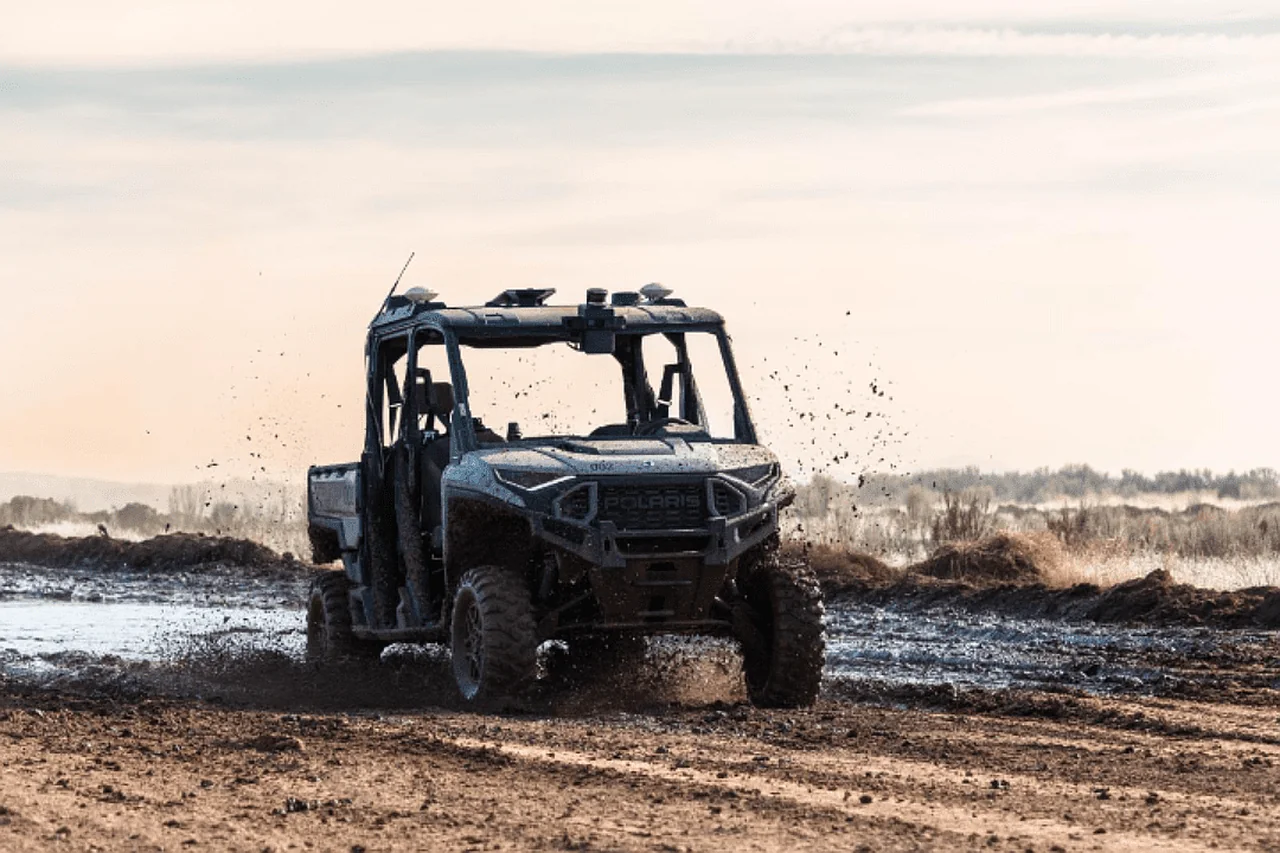
US company Forterra announced that over 100 of its self-driving ATVs have been actively participating in combat operations in Ukraine for the past nine months. This marks the largest deployment of autonomous ground vehicles (UGV) by a US defense technology firm. According to TechCrunch, the project is funded by the Pentagon and serves to test and improve American military equipment in real-world combat conditions. This is reported by Techcrunch.com reports .
While drones in the sky currently dominate the focus, they have made ground movement extremely dangerous. Any movement can be observed from above and immediately targeted by artillery or FPV-drones. In such conditions, the need for autonomous ground systems to transport supplies and evacuate the wounded without risking human lives has increased sharply.
Technical capabilities and advantages
Ukrainian forces have been developing their own small ground drones, but most are battery-powered and can carry only up to 250 kg. The Lancer vehicles provided by Forterra are based on the Polaris platform and run on fuel. This allows them to transport up to 750 kg of cargo over long distances.Since last October, these machines have recorded the following results on the Ukrainian front:
- Over 1,100 combat missions successfully completed;
- A total distance of over 4,000 kilometers covered;
- Over 350 tons of military cargo and ammunition transported;
- 52 wounded soldiers evacuated from the battlefield to safety.
Real-war lessons and adaptation
Initially, the Armed Forces of Ukraine were somewhat skeptical of Western technology, as much of the equipment was designed for the high standards of the US Army and did not always fit the harsh realities of the front. However, Forterra engineers adapted quickly, equipping the machines with Starlink satellite antennas. This significantly improved communication quality and remote control capabilities.Nevertheless, autonomy is not yet perfect. Soldiers primarily operate the machines remotely (via teleoperation). Human control is necessary to prevent the equipment from becoming an enemy target if it gets stuck in mud or is affected by electronic warfare. Forterra representative Scott Sanders noted that the true capabilities of any technology cannot be known until it reaches the real battlefield.
Forterra, which has raised over $500 million in investment, is using its experience in Ukraine to work on remote software updates and increase resistance to electronic warfare. Such technologies are expected to completely change logistics and evacuation processes in armies worldwide, not just in Ukraine.


Comments 0
…