


Aviation Revolution: Airbus and MTU Start Work on Hydrogen Electric Engine
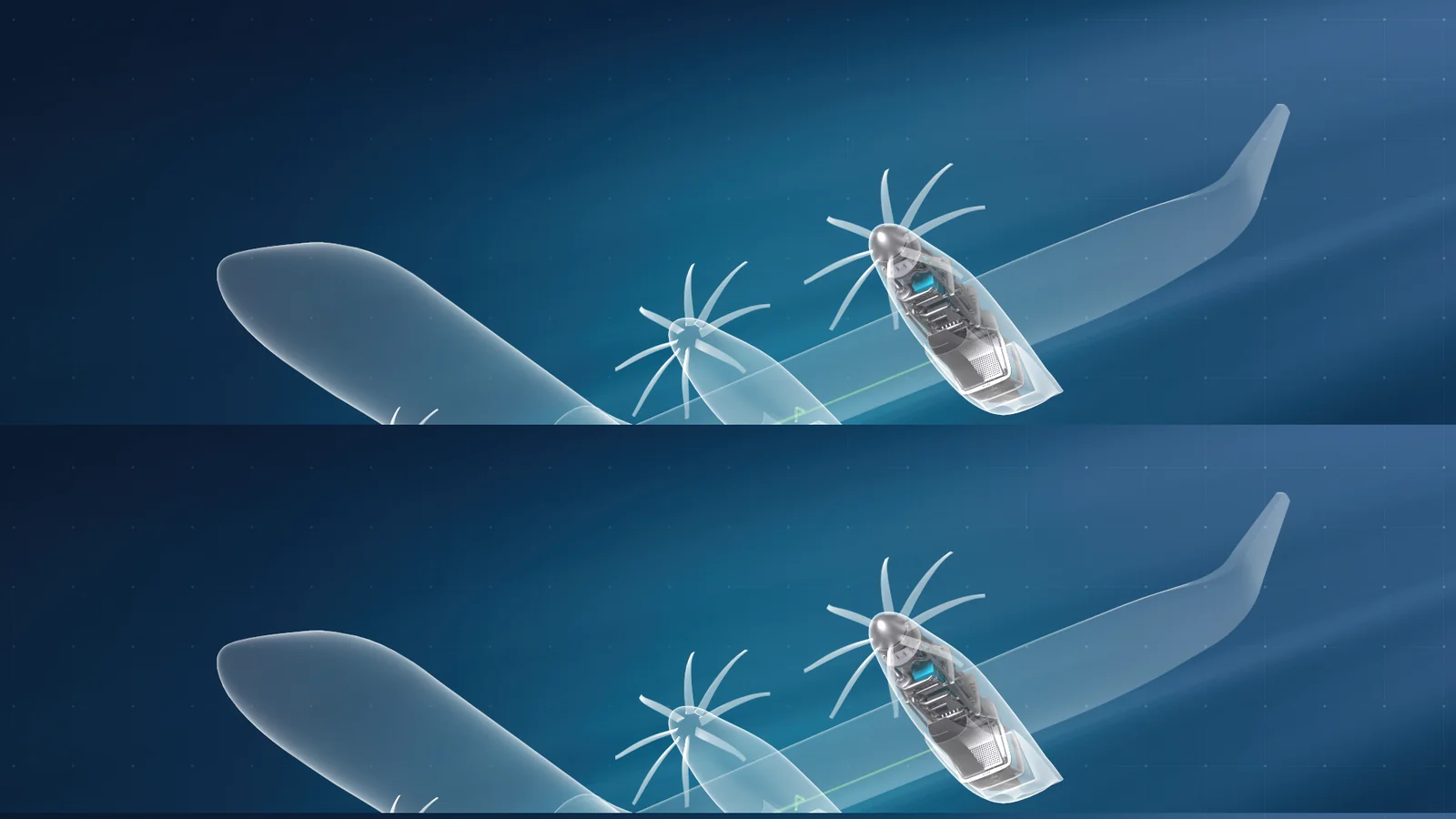
The aviation industry is taking a giant step toward environmental sustainability. Airbus, one of the world's largest aircraft manufacturers, has partnered with Germany's MTU Aero Engines to begin developing an electric engine powered entirely by hydrogen. This project is seen as the end of the kerosene era and the beginning of the "green" aviation age. This is reported by Ixbt.com reports .
According to the agreement between the two giants, a special joint venture will be established to develop next-generation power units. According to ixbt.com, this project is a logical continuation of the cooperation agreement signed at the Paris Air Show in 2025. The official launch of the new company is planned for 2027, and currently, European legal regulatory processes and permits are awaited.
Hydrogen technology and environmental priority
The operating principle of the new engine differs fundamentally from traditional internal combustion engines. The system is based on hydrogen fuel cells, where fuel is not burned. Instead, electrical energy is generated through a chemical reaction between hydrogen and oxygen. In this process, only simple water vapor is released into the atmosphere instead of harmful carbon dioxide (CO2) or nitrogen oxides.Within the framework of the partnership, tasks are clearly divided: Airbus will be responsible for commercial aircraft technology and liquid hydrogen storage systems. MTU Aero Engines will take on the design of the engine itself, the creation of fuel cells, certification, and future maintenance. This chain covers the full cycle of the project from blueprints to serial production.
ZEROe program and future plans
This initiative is part of Airbus's large-scale ZEROe program. The company aims to launch the world's first zero-emission commercial passenger aircraft by 2035. The new hydrogen engine will serve as the key technological foundation for achieving this goal.The project is not limited to creating an engine. Airbus and MTU intend to shape an entire ecosystem for hydrogen aviation. This includes:
- Developing safety standards and a regulatory framework;
- Creating infrastructure for storing and refueling liquid hydrogen for aircraft;
- Introducing new certification processes in accordance with international aviation requirements.


Comments 0
…