


Japanese technology: Smartphone cameras could shrink up to 4 times
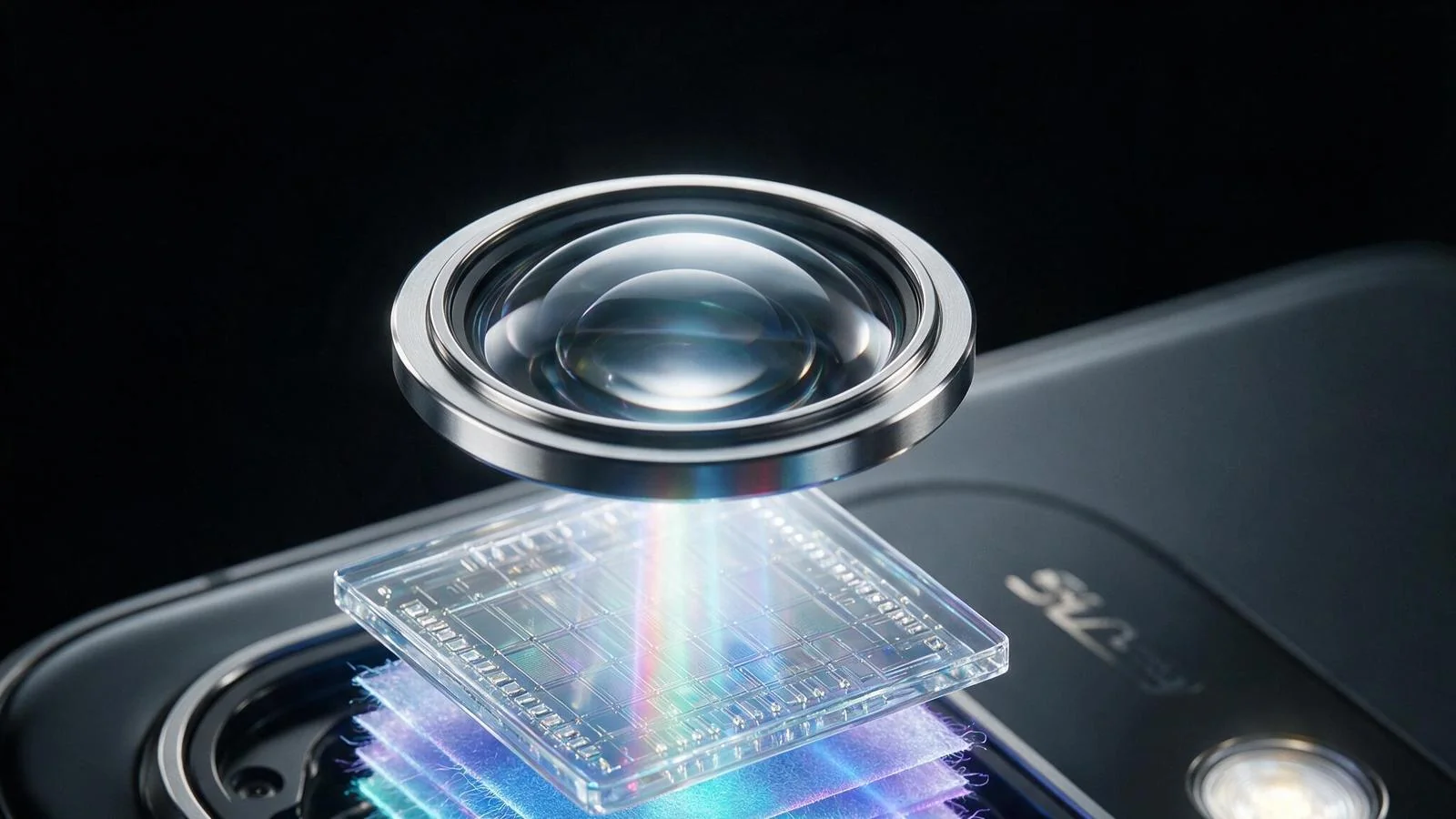
Japanese scientists have developed a new type of photo sensor expected to revolutionize digital imaging technology. Created by researchers at Nagoya University, these sensors abandon traditional pixel systems in favor of the ability to capture all colors simultaneously. This could put an end to the problem of massive camera bumps on future smartphones. This is reported by Ixbt.com reports .
Currently, almost all digital cameras operate on a system called the Bayer array. In this system, each pixel records only one color (red, green, or blue), and then special software analyzes data from neighboring pixels to reconstruct the full image. According to ixbt.com, this approach requires a very high number of elements on the matrix and hinders the miniaturization of cameras.
Gallium-doped zinc oxide and transparent layers
Japanese engineers proposed using transparent nanosheets based on gallium-doped zinc oxide (GZO). The uniqueness of this material lies in its ability to capture the entire visible light spectrum. Multiple stacked transparent layers allow for the separation of color components without traditional color filters. Researchers estimate that if each pixel can detect all three primary colors, the number of elements on a sensor can be reduced by 75 percent without losing image quality.One of the most important advantages of the new material is its extremely high transparency. Each nanosheet layer transmits 99.995 percent of light. This means that stacking multiple light-sensitive elements causes almost no loss in image brightness or clarity. Since ordinary zinc oxide reacts poorly to light, scientists managed to change the electronic structure by adding gallium.
High sensitivity and durability
During experiments, the new sensor showed impressive results. Its sensitivity reached 800 A/W, whereas many commercial sensors on the market today have a figure of only around 10 A/W. This means that GZO sensors allow for high-quality, noise-free photography even in very low-light conditions.The scope of the technology is not limited to smartphones. GZO sensors are distinguished by their extreme durability:
- Ability to operate at high temperatures up to 400°C;
- Stability in vacuum conditions;
- High resistance to humidity.
For now, this technology is being successfully tested in laboratory conditions. If it is introduced into mass production, we will enter an era of not only thinner smartphones but also smart devices integrated into clothing or nearly invisible to the eye.


Comments 0
…