


SpaceX to intentionally burn new generation Starlink satellites in the atmosphere
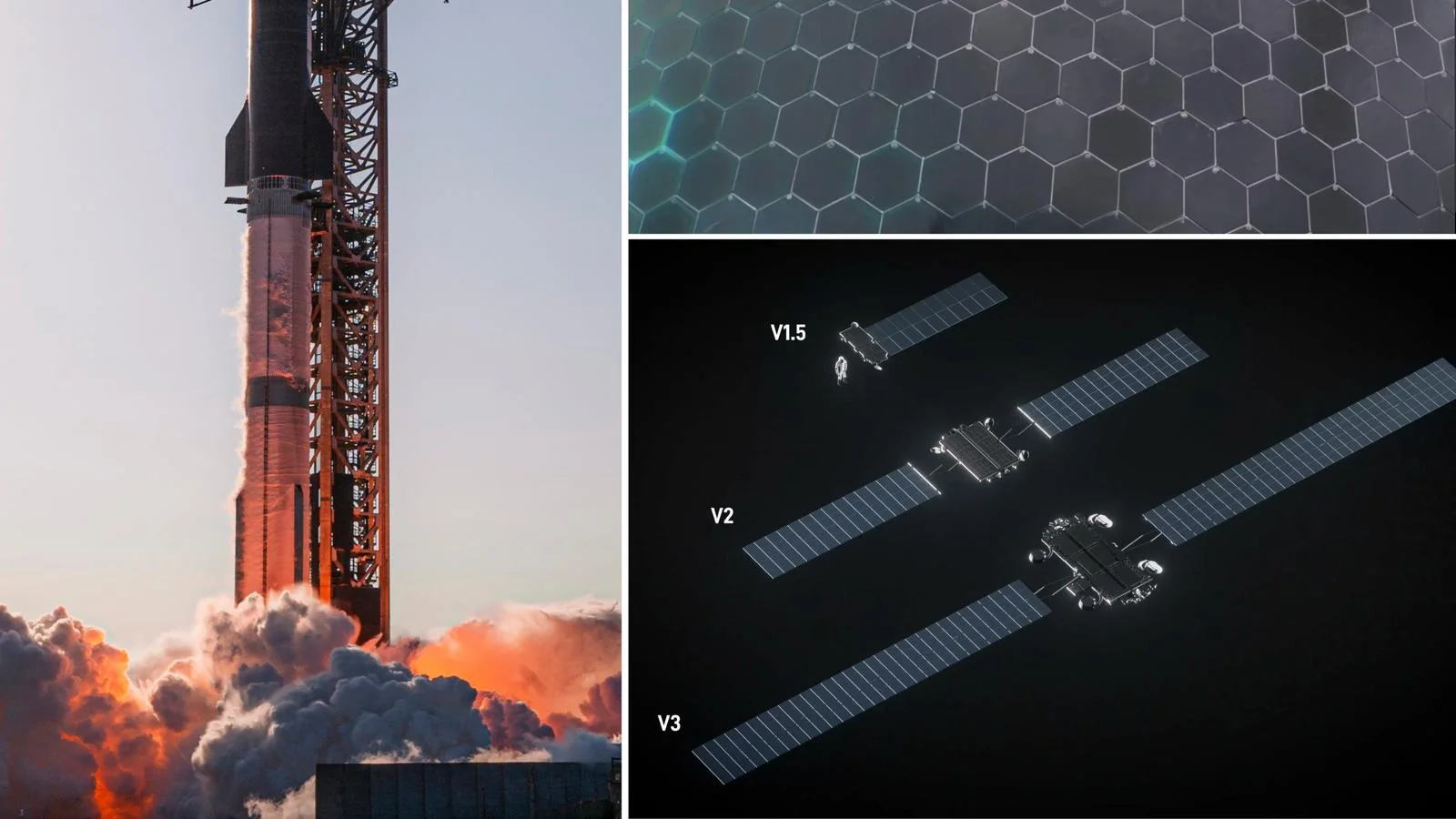
Elon Musk's SpaceX is taking another significant step in space exploration. As part of the upcoming Starship flight, the company plans to launch a new generation of Starlink V3 satellites into orbit for the first time. However, the unique aspect of this mission is that these devices are not designed to remain in space, but to burn up in the atmosphere at the end of the flight. This is reported by Ixbt.com reports .
According to ixbt.com, the Starship spacecraft will carry 20 Starlink V3 satellites into space during its next test flight. These devices will travel along the rocket's suborbital trajectory. This means that after reaching a certain altitude, they will descend with the spacecraft and be completely destroyed by friction upon entering the dense layers of Earth's atmosphere.
The Starlink V3 series is expected to fundamentally improve the global satellite internet network. These new generation devices are designed to significantly expand the network's bandwidth and increase data transmission speeds. Nevertheless, the first batch is being sacrificed solely for technical testing and monitoring the status of the Starship spacecraft.
A new method for testing Starship safety
The most interesting aspect of the mission is that these satellites will act as a unique "eye" to inspect the Starship spacecraft itself. Six satellites are equipped with special cameras that will scan Starship's heat shield during the flight. The captured images will be transmitted to SpaceX operators in real time.Engineers are using a clever method to test the durability of the spacecraft's heat shield. Several of the thermal protection tiles are painted white, serving as targets for the satellite cameras. This allows for precise detection of any damage to the protective layer or tiles falling off due to the high temperatures encountered during atmospheric reentry.
These tests are crucial for SpaceX, as Starship is expected to be the primary transport vehicle for future missions to the Moon and Mars. The spacecraft's safe return to Earth depends directly on the reliability of its heat shield. This "kamikaze" mission of the Starlink V3 devices will provide a valuable database for future safe flights.
According to current plans, the next flight of the Starship system is scheduled for July 16. If everything goes successfully, this mission will prove not only the capabilities of the new generation internet satellites but also the durability of the largest rocket system.


Comments 0
…