


Pratt & Whitney Tests 3D-Printed Engine for Cruise Missiles
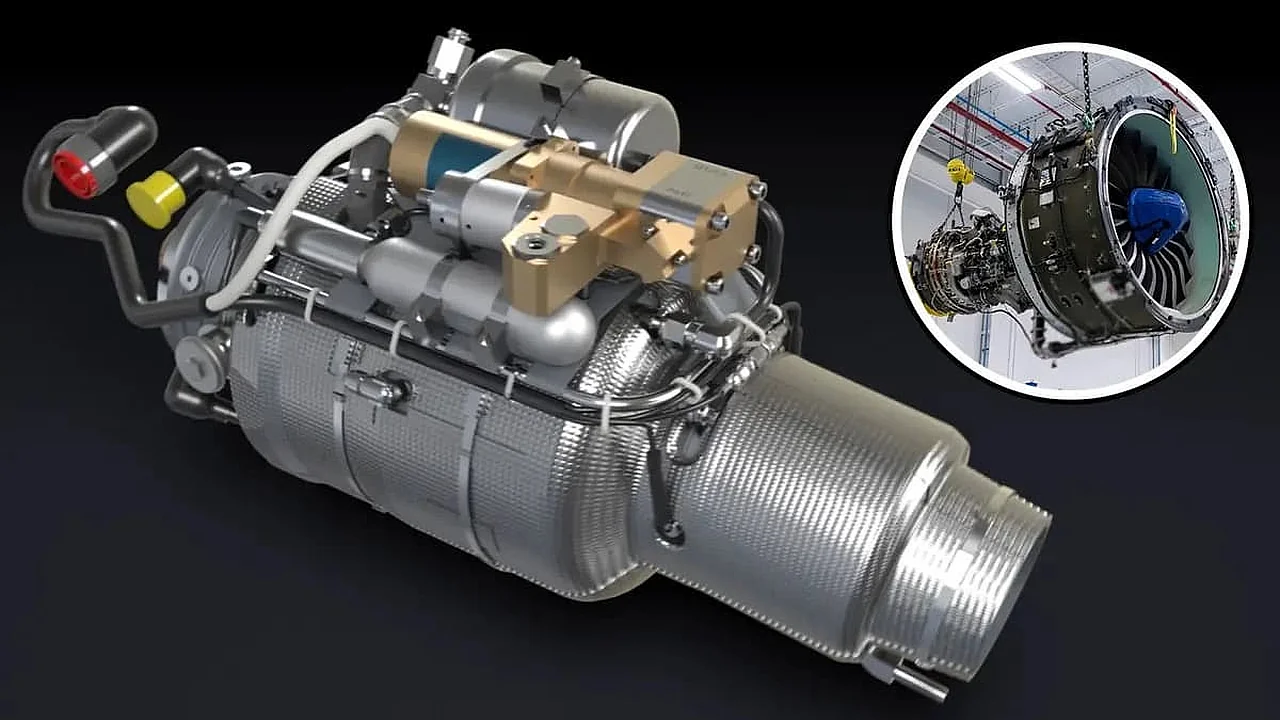
Pratt & Whitney, a leader in the aerospace and defense industry, has successfully demonstrated a new version of its TJ150 compact turbojet engine. The revolutionary aspect of this project is that nearly 60 percent of the engine's structure consists of 3D-printed parts. These tests have taken the capabilities of additive manufacturing in modern weapons production to a new level. This is reported by Ixbt.com reports .
The TJ150 engine is primarily designed for single-use systems such as cruise missiles and autonomous platforms. Unlike conventional aircraft engines, these devices operate for minutes or hours rather than years. Therefore, the main priority for engineers remains reducing production time and costs while maintaining engine durability.
Revolutionary changes in the production process
According to ixbt.com, the use of 3D printing technology allowed for the consolidation of over 50 individual components in the engine's hot section into a few large parts. This not only simplifies the assembly process but also increases structural reliability by reducing the number of connection points. Fewer connection points mean a lower probability of failure.During the tests, engineers specifically examined the rotating turbine section, which operates under high pressure and temperature. The 3D-printed turbine proved that it can fully withstand real operational loads. This result confirms that complex mechanisms produced via additive manufacturing meet military standards.
The TJ150 engine delivers over 150 lbs of thrust and is optimized for efficient operation at high altitudes. Its compact size and relatively light weight allow missiles to fly longer distances and carry more payload. To date, Pratt & Whitney has delivered over 2,700 such engines to customers worldwide.
A new strategy in the defense industry
The company plans to apply this technology not only to the TJ150 but also to the production of future engines in the Valox family. The main advantages of 3D printing include:- Significant reduction in production lead times;
- Reduced dependence on the component supply chain;
- Rapid scaling of production capacity during surges in demand for defense programs;
- Cost optimization by reducing structural complexity.


Comments 0
…