


A Turning Point in Aviation History: Hybrid Electric Aircraft Reaches 9 km Altitude for the First Time
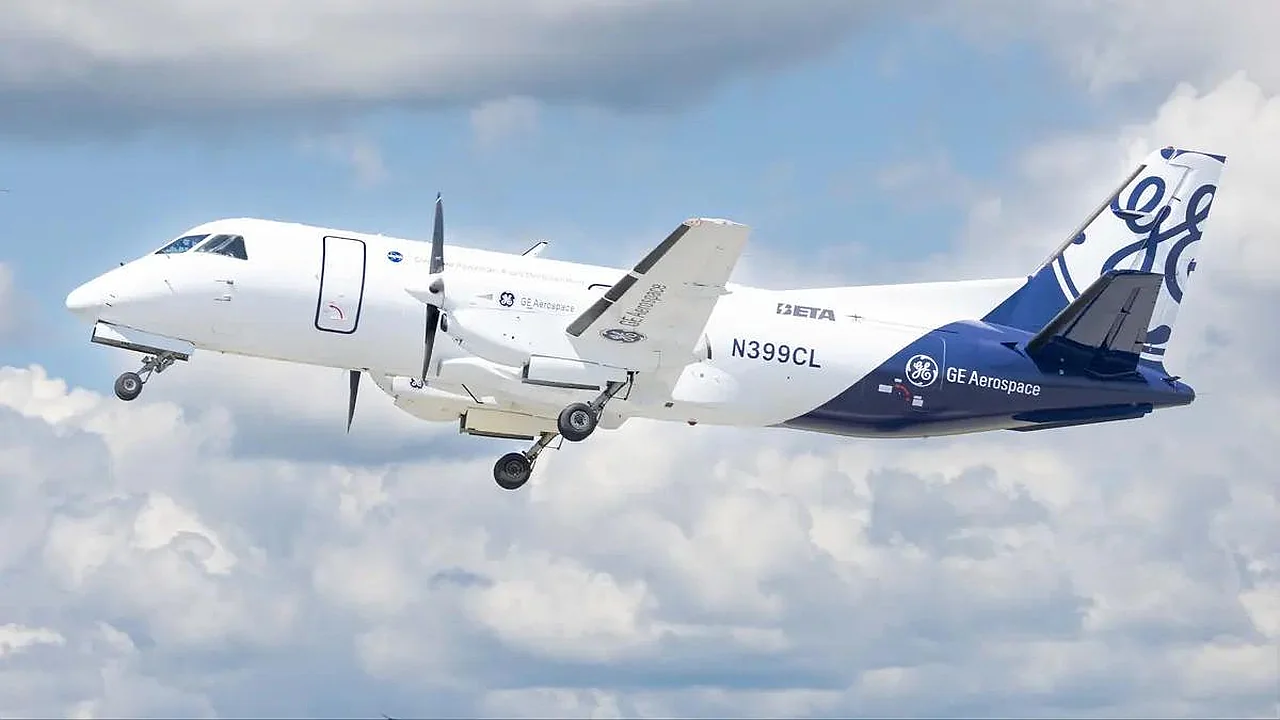
The aviation industry has taken another giant step toward eco-friendly technologies. GE Aerospace has successfully tested an aircraft equipped with a hybrid-electric propulsion system at an altitude of 30,000 feet (approximately 9.1 kilometers) for the first time in the world. This altitude is standard for modern passenger liners, signaling that the technology is ready for real commercial flights. This is reported by Ixbt.com reports .
These historic tests were conducted as part of the Electrified Powertrain Flight Demonstration (EPFD) program, funded by NASA. Leading aerospace companies such as Boeing and BETA Technologies participated in the project alongside GE Aerospace. A specially modified Saab 340B turboprop aircraft was used for the experiment.
Technological Breakthrough and Long-Duration Flight
According to ixbt.com, during the longest test flight, the hybrid propulsion system operated continuously for over 2 hours. The system combines a gas turbine engine with electric power, allowing for intelligent load distribution between them depending on the flight phase. This significantly reduces fuel consumption.The experimental setup incorporates complex engineering solutions, including electric motors, inverters, control systems, and the CT7 turboprop engine developed by GE Aerospace. Additionally, BAE Systems supplied the batteries for the project, while Aurora Flight Sciences, a subsidiary of Boeing, designed a special nacelle to house the equipment.
Unique Capabilities of the Hybrid System
During the tests, it was proven that the electric unit can not only drive the propeller but also act as a generator. This allows for in-flight battery recharging, increasing energy efficiency for long-haul flights. Following the tests in the USA, the aircraft flew across the Atlantic Ocean to the UK, utilizing the hybrid mode at all stages.This achievement could also be of great importance for countries developing regional aviation, such as Uzbekistan. Hybrid aircraft, which consume less fuel and operate more quietly, will help reduce costs on domestic routes. GE Aerospace representatives noted that the results obtained will be applied to the CFM International RISE program.
The main goal of the CFM International RISE program is to reduce fuel consumption by at least 20 percent compared to modern commercial aviation engines. These successful tests are expected to usher in a new era in the aviation "decarbonization" strategy. In the future, such technologies are planned to be implemented not only in small aircraft but also in large passenger liners.


Comments 0
…