


Chinese company AGIBOT unveils four new smart robots
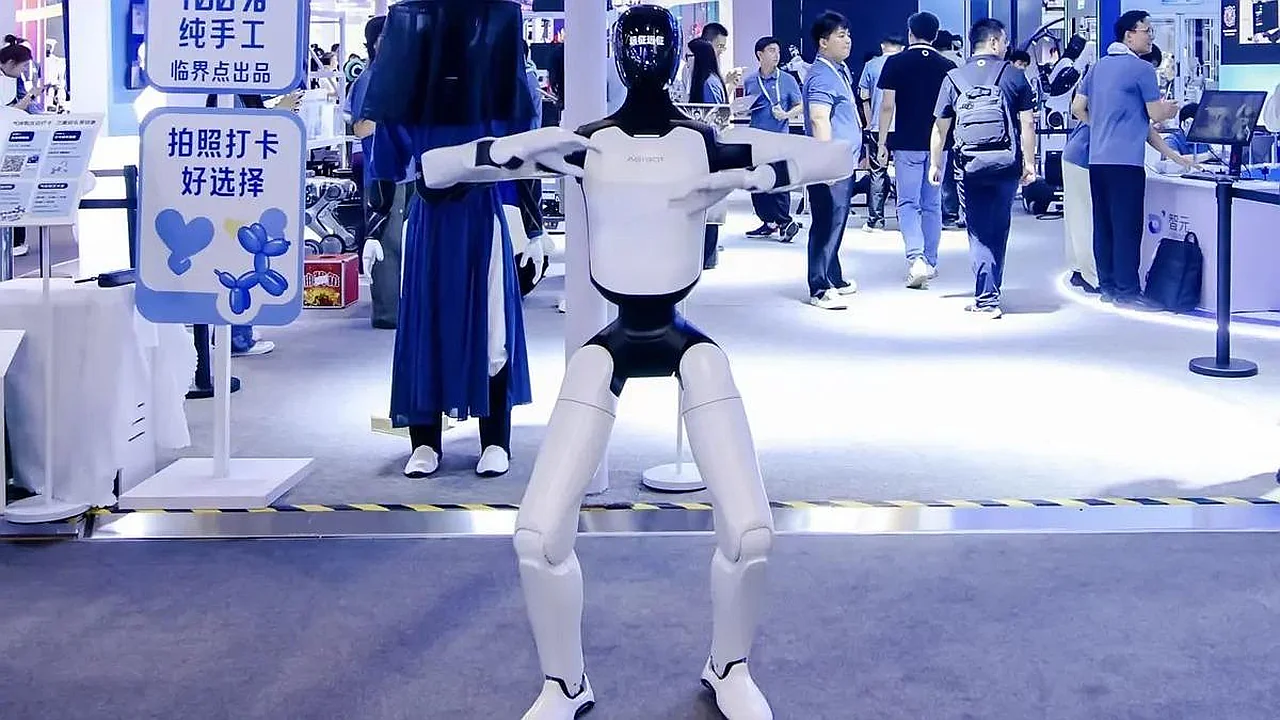
The Chinese robotics industry continues to develop rapidly. During the World Artificial Intelligence Conference (WAIC 2026) in Shanghai, AGIBOT showcased its latest developments. The presentation featured four new devices: humanoid robots, industrial models, and a high-precision robotic hand. At the same time, the company officially announced that it has produced its 15,000th robot. This is reported by Ixbt.com .
The star of the presentation was the A3 Ultra humanoid robot. Standing 1.74 meters tall, this robot has 51 degrees of freedom and can replicate human movements with high precision. Capable of lifting up to 5 kg with each arm, this model operates for up to 8 hours on a single charge. Most notably, the robot is equipped with the NVIDIA Thor computing platform, lidar, and various cameras, allowing it to independently analyze its environment.
Specialized solutions for industry and education
AGIBOT introduced not only universal humanoids but also new devices for niche tasks. The G2 Max model, designed for industrial enterprises, excels in transporting goods and palletizing. For the education sector, the X2 EDU platform has been developed. Featuring an open hardware architecture, this model allows universities and laboratories to install additional sensors and computing modules.Among the technological innovations, the OmniHand 3 Ultra-M robotic hand is of particular significance. This device has 20 active degrees of freedom and is equipped with tactile sensors based on computer vision. This allows the robot to sense objects like a human hand and grasp them with care. According to Ixbt.com, this hand can easily lift items weighing up to 5 kg.
Practical application and efficiency
The company also demonstrated the efficiency of its robots in real-world production. For example, at the Longcheer Technology factory, humanoid robots are engaged in tablet quality control, transporting spare parts, and operating testing equipment. It took only 36 hours to implement the robotic line, and currently, the robots help produce up to 3,000 tablets per shift.AGIBOT representatives stated that their devices are being actively used not only in factories but also in tourism, transport, and service sectors. Robots can assist passengers with navigation at airports and train stations and provide information to visitors. This helps reduce human error and increase service speed.
For rapidly industrializing countries, such technologies could play a crucial role in increasing production efficiency and automating logistics processes in the future. These achievements by Chinese engineers indicate that robots are becoming increasingly integrated into our daily lives.


Comments 0
…