


The Future of Aviation: Pratt & Whitney Begins Testing Hybrid Engine
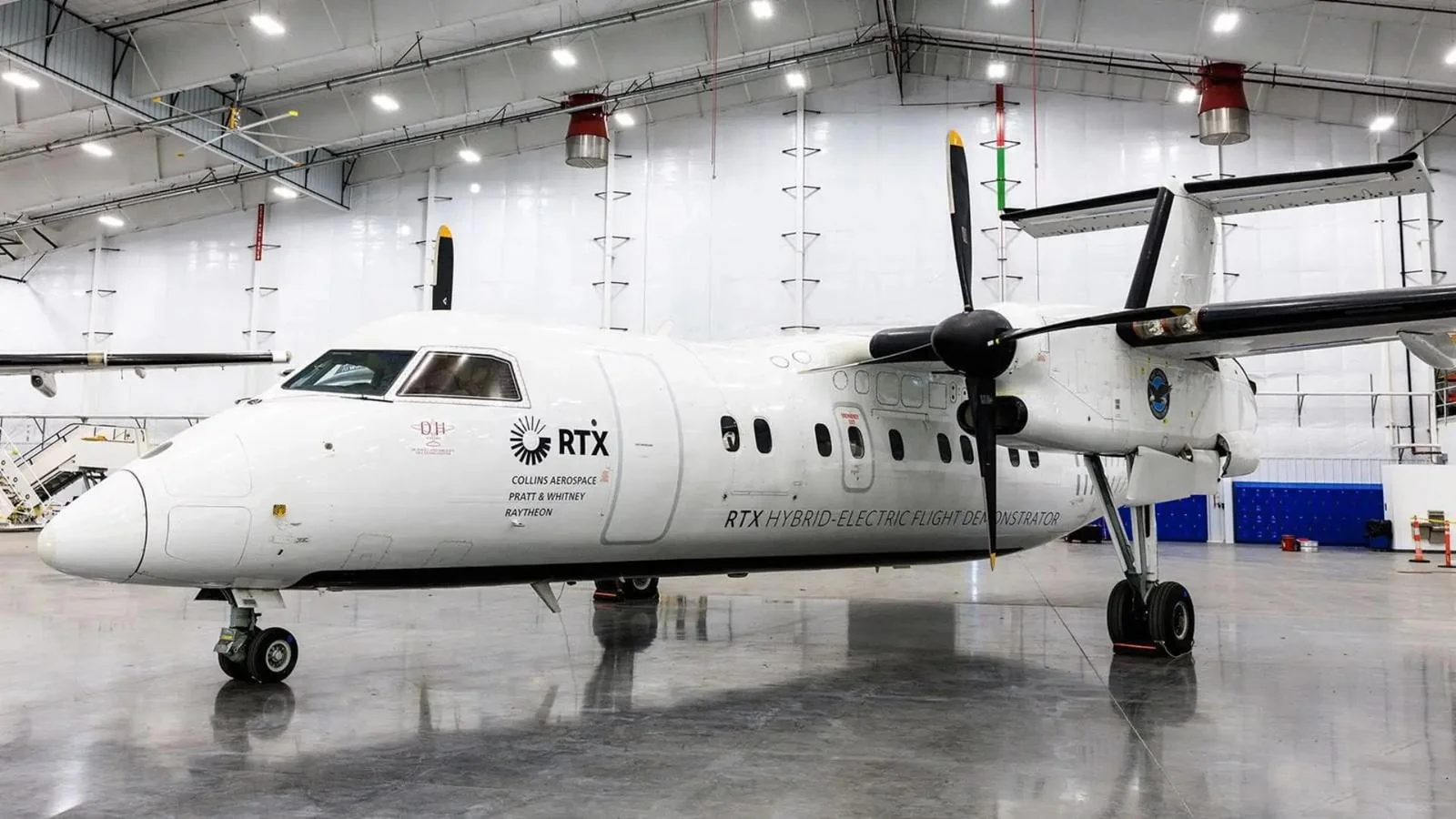
Pratt & Whitney Canada, a leader in the aviation industry, has begun ground testing a new hybrid-electric propulsion system designed for regional aircraft. This technology will help significantly reduce fuel consumption and harmful atmospheric emissions in the future. According to ixbt.com, the new system is expected to increase fuel efficiency by nearly 30 percent. This is reported by news source.
Developed as part of the RTX Hybrid-Electric Flight Demonstrator project, this unit is based on the integration of a Pratt & Whitney turboprop engine and a 1 MW electric motor created by Collins Aerospace. To power the system, 200 kWh battery packs developed by the Swiss company H55 were used. Testing is currently underway at the company's facility in Quebec, Canada.
Operating Principle and Benefits of the Technology
The key innovation of the project is the distribution of load between two types of engines. The electric motor engages during taxiing, takeoff, and initial climb. It is during these phases that traditional aviation engines consume the most fuel. Once the aircraft reaches cruise mode, i.e., a stable flight altitude, the turboprop engine takes over the main thrust.Engineers estimate that on regional routes of approximately 460 kilometers (250 nautical miles), this scheme will provide a 30 percent fuel saving. This not only reduces airline costs but also serves as an important step in improving the environmental situation. If tests are successful, the new unit will be installed on a modified De Havilland Canada Dash 8-100 aircraft and will make its first flight in 2027.
Safety and Industry Competition
Special attention has been paid to safety in creating the new system. Modern semiconductors are used in the high-voltage architecture, and battery modules are housed in special fire-resistant containers. An emergency heat and gas venting system is also provided, ensuring flight safety.It is worth noting that Pratt & Whitney is not the only company working on hybrid aviation. Similar technologies are currently being actively developed under the Electrified Powertrain Flight Demonstration (EPFD) program coordinated by NASA. For example, GE Aerospace, together with Boeing and other partners, has successfully tested a hybrid engine on a Saab 340B aircraft and performed flights at an altitude of nearly 9 kilometers.
For countries with developing regional aviation, such as Uzbekistan, these technologies could be of great importance in the future for reducing the cost of domestic flights and forming an environmentally friendly transport system.


Comments 0
…