


Vision-restoring chip: Science Corporation receives approval in Europe
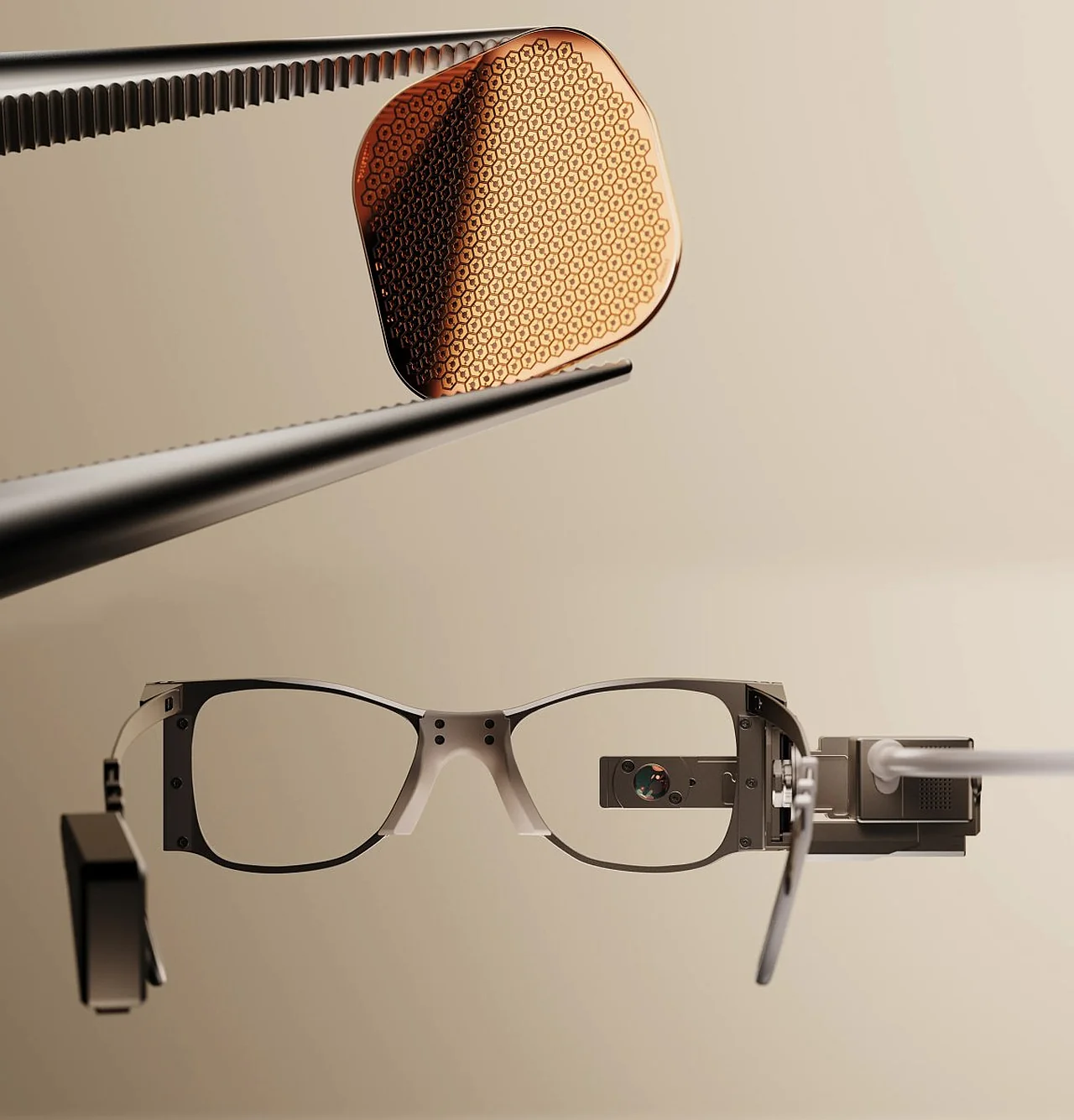
A revolutionary breakthrough has occurred at the intersection of medicine and high technology: the startup Science Corporation has secured the right to sell its PRIMA device, designed for people who have lost their vision, in the European market. This technology allows patients blinded by age-related macular degeneration to see the world again. This step is a massive achievement not only for the company but for the entire neurotechnology industry. This was reported by Techcrunch.com reports.
The PRIMA system consists of a tiny chip implanted in the back of the eye and special glasses equipped with a camera. The procedure is performed via an outpatient surgery that takes just one hour. The camera on the glasses captures surrounding images and transmits them directly to the chip, which in turn delivers visual information to the brain. According to TechCrunch, this technology has already proven its high effectiveness in practice.
Technology that fundamentally changes quality of life
According to Max Hodak, founder and CEO of Science Corporation, the device restores functional vision to patients. One of the patients who participated in clinical trials in France recently finished reading a 300-page novel, while others gained the ability to solve crossword puzzles and even draw. These results represent an unprecedented opportunity for people who have lived in darkness for years.It is worth noting that Max Hodak previously led the famous Neuralink project alongside Elon Musk. In 2021, he chose his own path and founded Science Corporation. His goal is not just to limit himself to laboratory experiments, but to take the field of neurotechnology to a new level by building a sustainable business generating $100 million in annual revenue.
Price and future plans
Currently, the price of a single PRIMA device is expected to be several hundred thousand dollars. Company representatives are negotiating with medical insurance organizations in Germany and other European countries regarding cost coverage. Initial commercial operations could begin in Germany as early as this September. Additionally, the U.S. FDA has agreed to an expedited review of the device.The company plans to further refine the device's design in the future. While the current model requires an external battery pack, future generations will integrate all computing power into a compact form factor similar to Meta's AR glasses. This technology is expected to be a key solution for treating not only macular degeneration but also other rare forms of blindness.


Comments 0
…