


Canada Allocates $40.5 Million to Develop Micro-Nuclear Reactors for the Arctic
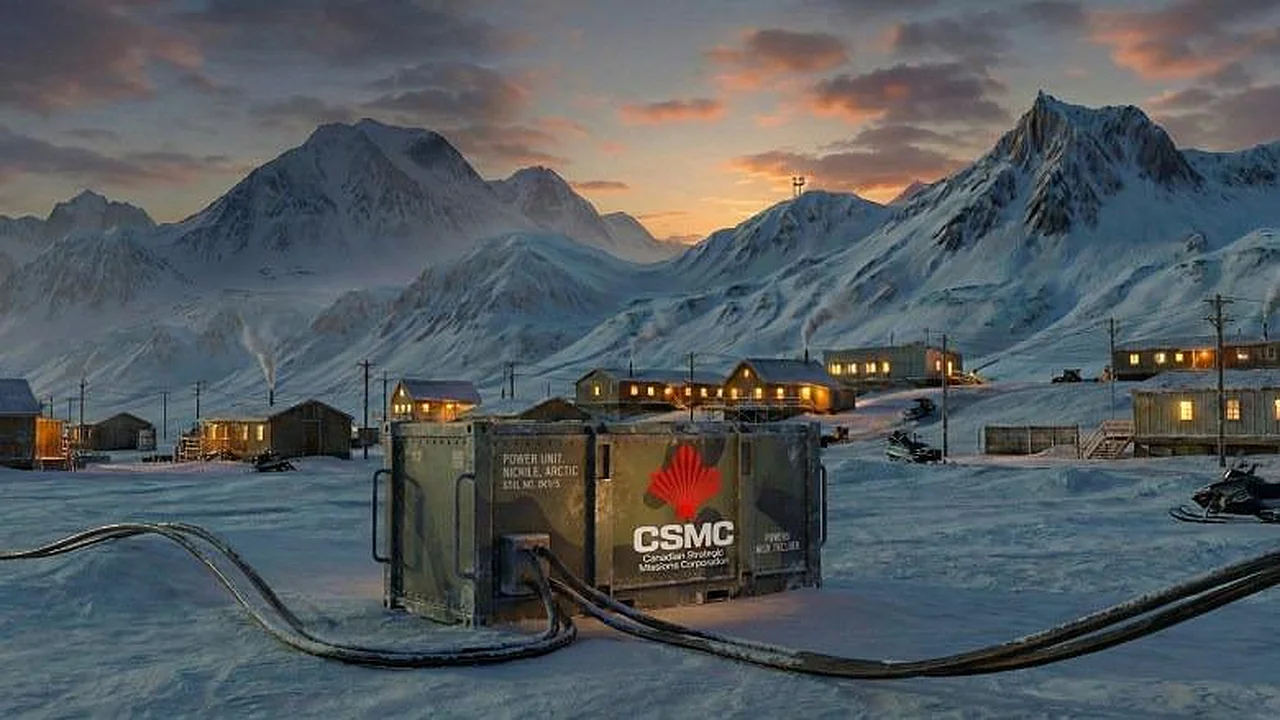
The Canadian government has launched a major project to ensure energy independence in the country's northern regions and supply remote areas with stable heat and electricity. Specifically, the Canadian Strategic Missions Corporation (CSMC) has received substantial financial support to design micro-nuclear reactors intended for operation in Arctic conditions. This was reported by Ixbt.com .
The $4.5 million funding allocated by the Federal Economic Development Agency for Southern Ontario (FedDev Ontario) will be directed toward finalizing the project's technical blueprints and building the first nuclear-powered prototype. This investment is part of the Canadian government's broader $40.5 million strategic package distributed among 23 organizations in the sector. This information is provided by ixbt.com.
Innovative Solution for Northern Regions
Transporting traditional diesel fuel to remote and harsh climates like the Arctic is extremely costly both financially and logistically. Micro-nuclear reactors are expected to fundamentally solve this problem. They can operate autonomously, providing uninterrupted power to both civil and military infrastructure facilities over long periods.CSMC plans to bring its developments to the commercial market by 2030. This technology is being formed on the basis of existing research reactors in Canada, which will significantly speed up the certification process and obtaining permits from regulatory bodies.
Energy Controlled via Space
The project includes not only energy solutions but also high-tech applications. CSMC has already signed a memorandum of understanding with satellite communications operator Telesat. According to the agreement, the Lightspeed low-Earth orbit satellite constellation will be used to remotely monitor and control the micro-nuclear reactors in the Arctic.Through this secure communication channel, specialists will be able to monitor the status of power plants located thousands of kilometers away in real time. This maximizes safety in regions with minimal human presence.
According to experts, the successful implementation of this technology could pave the way for its use in remote and hard-to-reach areas of other countries in the future. The funding allocated by the Canadian government is crucial in bringing the project from the theoretical stage to practical demonstration.


Comments 0
…