


SpaceX Launches New Generation Starlink Satellites But Encounters Failure
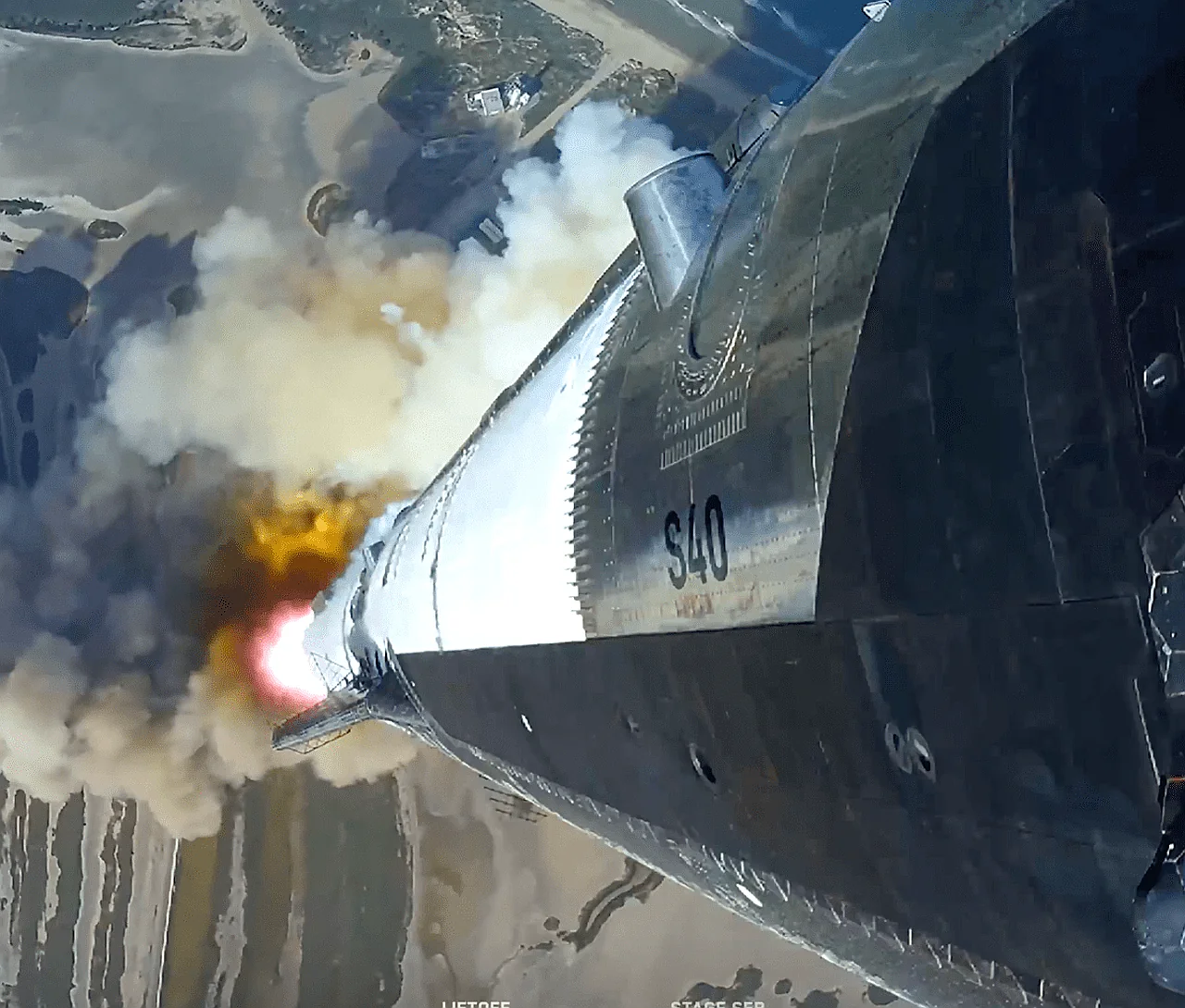
SpaceX, led by Elon Musk, successfully conducted the 13th test flight of its most powerful rocket, Starship. As part of this mission, third-generation (V3) Starlink satellites were deployed into space for the first time. Although the primary goal was achieved, the flight was marked by yet another failure of the Super Heavy booster. This was reported by Techcrunch.com reported .
During the test over the Gulf of Mexico, the rocket booster failed to execute the planned soft-landing maneuver. According to Ixbt.com, this is the second major technical failure associated with the Starship V3 prototype. Earlier in May, during the maiden flight, the Super Heavy device also encountered issues during stage separation.
Technical Issues and Failed Landing
Initially, this flight was supposed to take place last week, but the launch was aborted in the final seconds due to engine trouble. SpaceX engineers were forced to completely replace six engines before the flight. During Friday's flight, the booster reached the designated distance, but not all engines fired prior to water landing. As a result, the device hit the water surface at high speed and exploded.Nevertheless, the upper stage of the rocket performed better than expected. While one engine failed during the May test, this time the Starship V3 upper stage deployed the new-generation Starlink devices into outer space without any issues. This is a technologically significant step for SpaceX, as the new satellites are expected to radically improve communication quality.
Market Decline and Future Plans
This was the first test for Starship following the company's historic IPO in June. However, SpaceX's "fly, fail, fix" strategy is causing some concern among investors. Following the crash of the rocket booster, the company's share price continued to decline.Currently, SpaceX shares have dropped from their peak of $200 to $115. Following Friday's failed landing, value dropped by another 2% in after-hours trading. Nonetheless, experts assess this as a temporary situation, since the Starship project is still in the testing phase and every error serves future successes.
It is worth noting that the new Starlink satellites launched into space are scheduled to burn up in the atmosphere in about 20 minutes. The reason is that Starship does not yet have the capability to fully reach Earth orbit, and these flights are organized solely for testing systems.


Comments 0
…