


NASA space telescope prepares for launch after $4 billion budget crisis
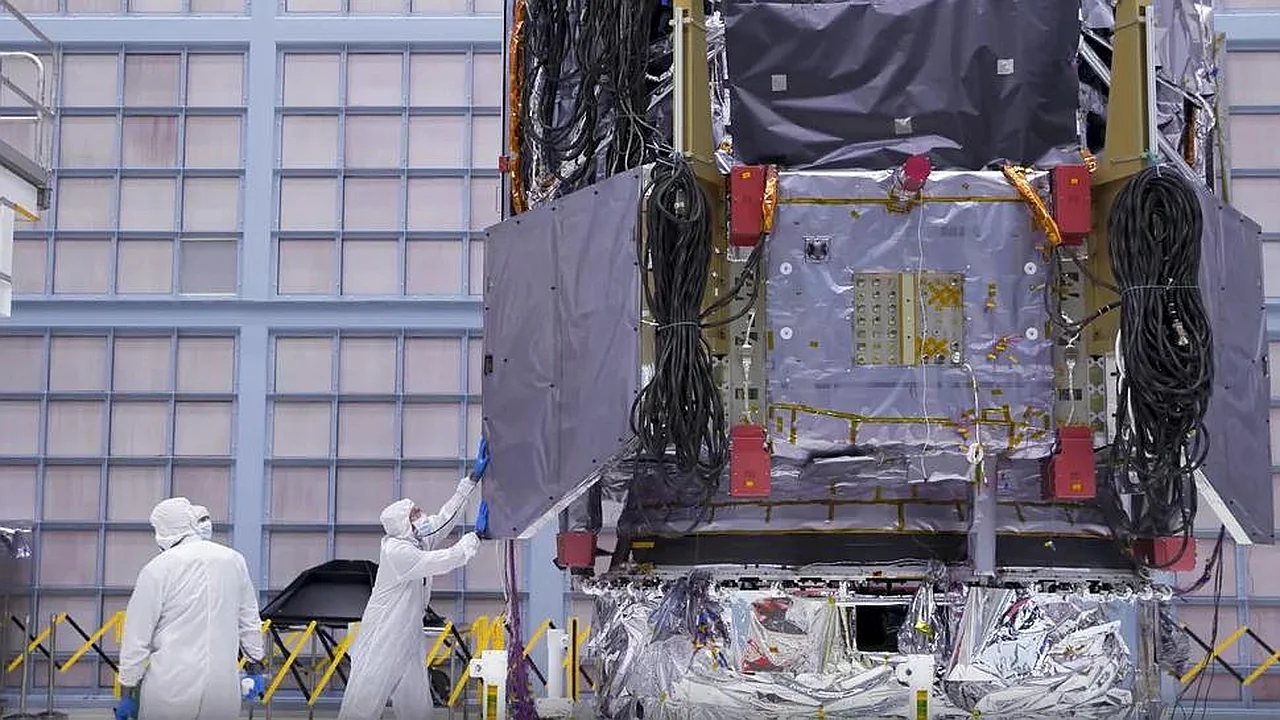
The $4 billion Nancy Grace Roman Space Telescope from NASA has successfully passed all financial and organizational tests and is now ready for launch. According to reports from IXBT.com, this massive scientific project, which has been in development for nearly two decades, was at risk of cancellation a year ago, but the team's determination saved the mission. This is reported by Ixbt.com news.
It turns out that the project's fate was in jeopardy last year due to large-scale budget cuts proposed by the US administration. Despite plans to slash funding by more than half to $156.6 million for the 2026 fiscal year, specialists continued their work. At that time, the device was already 95 percent complete.
Financial challenges and the path to space
Under the pressure of budget cuts, the team had to work with staff shortages and limited resources. Nevertheless, engineers and scientists did not stop the telescope's preparation. As a result, all obstacles have been overcome, and the device is now ready to head to its final destination.According to plans, the long-awaited launch of the Nancy Grace Roman telescope is scheduled for August 30 of this year. The SpaceX Falcon Heavy heavy-lift rocket has been selected for this critical mission. The apparatus, which will be lifted into space by the rocket, will serve to solve a number of scientific problems related to Earth.
Unique capabilities and future research
Once successfully in space, the spacecraft will be directed to the L2 Lagrange point, located approximately 1.5 million kilometers from Earth. This point is considered one of the most convenient areas for conducting various astronomical observations and is of immense scientific importance.Experts note that this $4 billion telescope is expected to revolutionize the study of dark matter and dark energy, the search for new exoplanets, and the observation of the mysteries of the universe. One of its most important advantages is that the device's field of view is approximately 50 times wider than that of the famous James Webb telescope.
The comprehensive observation capability will allow scientists to obtain the largest and most detailed images of the universe. This project, which was at risk of being shut down until recently, has now become a reality capable of fundamentally changing humanity's understanding of the cosmos.


Comments 0
…