


Tecno unveils the world's first truly full-screen smartphone
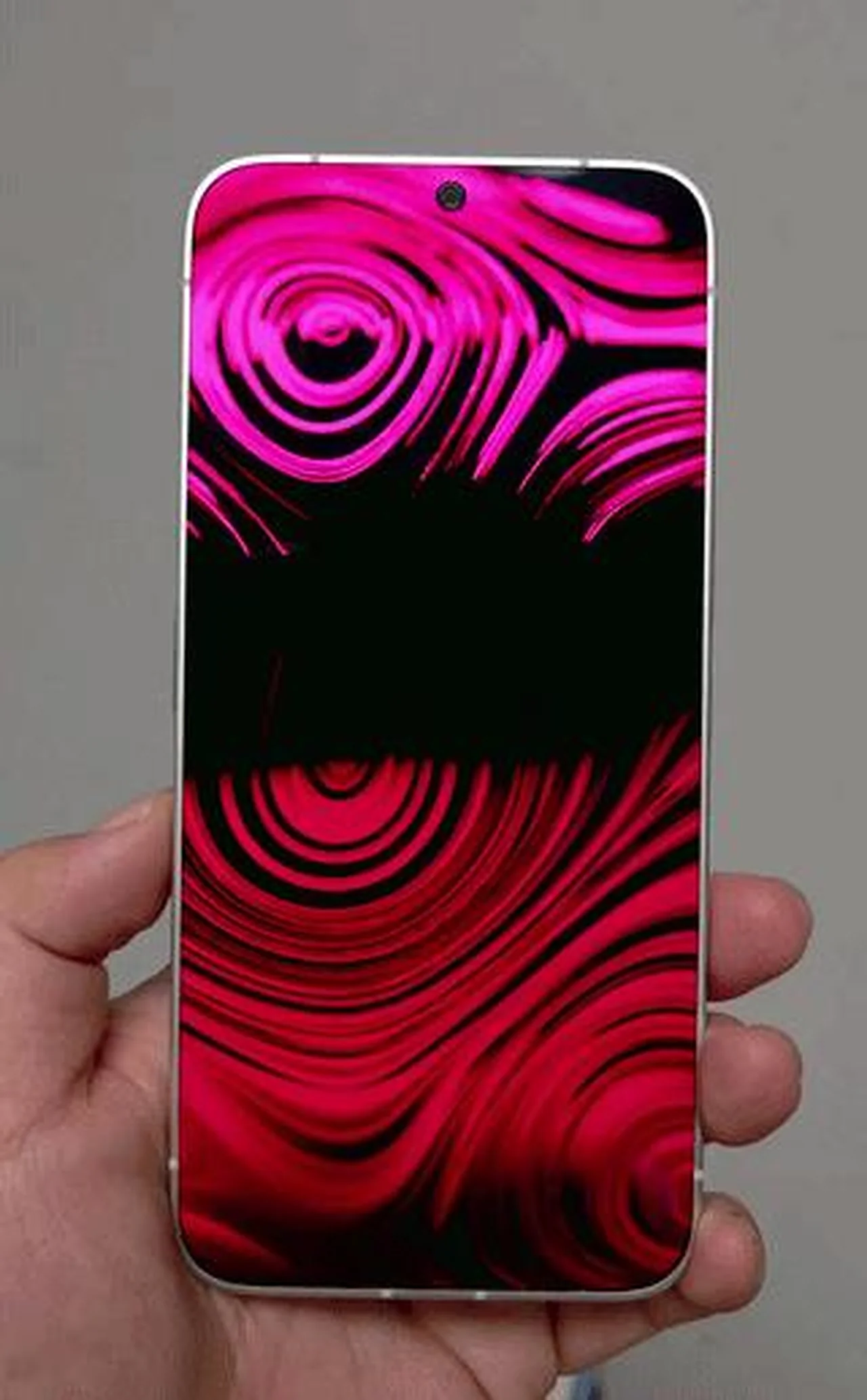
At the IFA 2026 exhibition in Berlin, a new device that has stunned the tech world was unveiled. According to GSMArena and renowned insider Ice Universe, Tecno has presented its first conceptual smartphone featuring a completely bezel-less screen. This device is significant for allowing us to imagine what future mobile technologies will look like today. This is reported by Ixbt.com news.
The manufacturer achieved this unusual design through a special protective glass construction and a fundamentally redesigned internal structure of the screen module. Experts believe that the complete disappearance of bezels will radically change the user experience, creating the impression of interacting directly with a futuristic interface.
The secrets of the construction
However, upon closer inspection, it turned out that the concept is not actually fully bezel-less. In reality, the black border of the screen panel has not disappeared; rather, Tecno engineers have skillfully hidden it under optical and structural elements. For this, a special double-layer protective glass was used, with its lower part wrapping around the body frame.As a result, when the user looks directly at the device, the image appears to extend all the way to the metal edges. GSMArena reports that the assembly process for such a complex design also differs from the norm. Specifically, a specially developed hot-melt adhesive was used to perfectly secure the second layer of the protective glass.
Technical capabilities and challenges encountered
For comparison, while the bezel of the iPhone 17 Pro Max is approximately 1.36 mm, this figure is visually reduced to zero in the Tecno concept. The device is equipped with a large 6.78-inch AMOLED screen with 1.5K resolution and a 144 Hz refresh rate. In terms of appearance and internal platform, this prototype is closely related to the previously introduced Tecno Camon Slim model.At the same time, the disappearance of the bezels created a unique problem. It was found that the user's fingers frequently touch the screen surface while holding the device. To eliminate this inconvenience, engineers were forced to redesign touch detection algorithms and interface elements from scratch, which prevented accidental presses.


Comments 0
…