


NASA and IBM have created the most complete AI map of the Moon
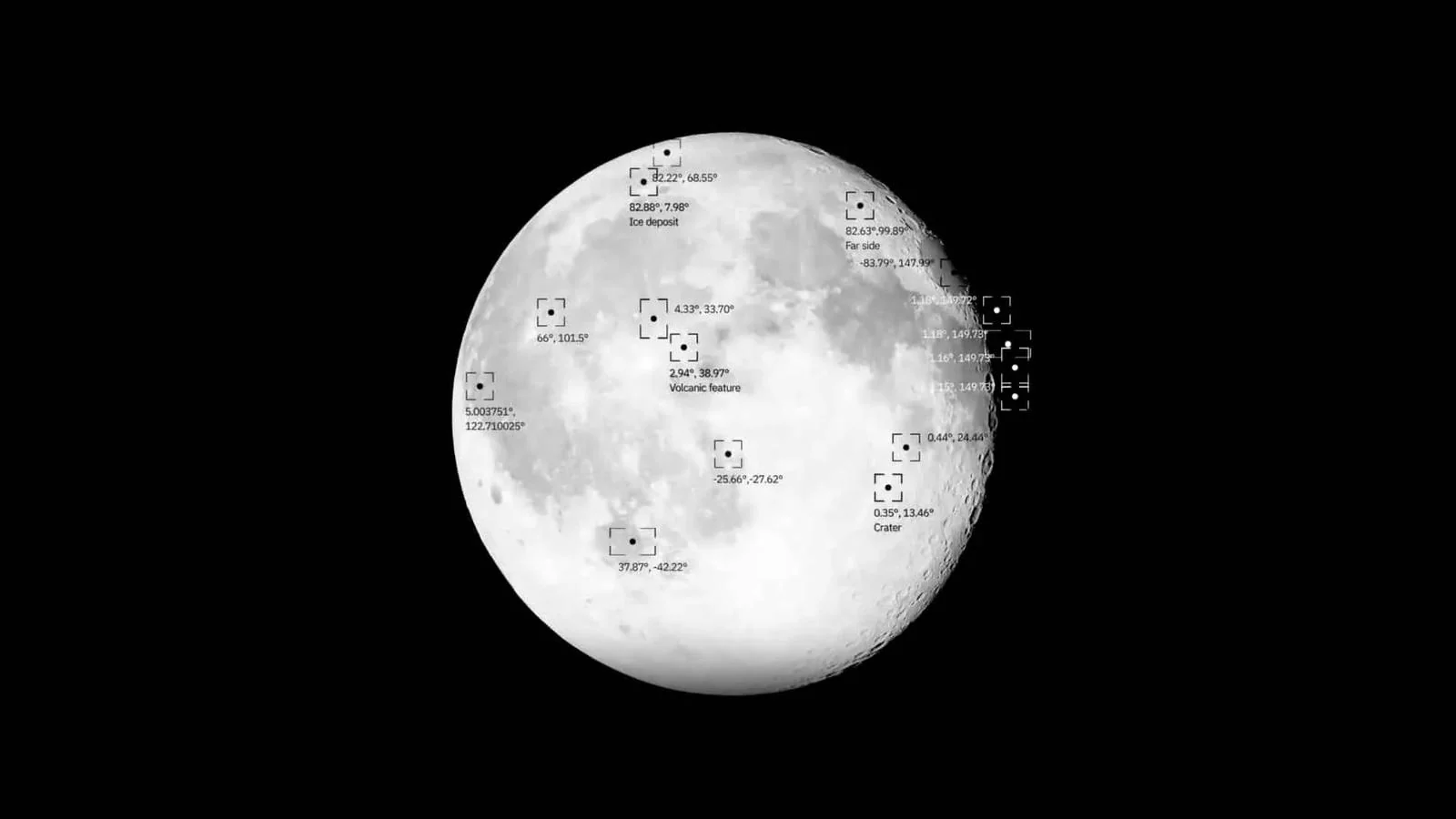
The US space agency NASA and IBM have jointly unveiled the most complete map of the Moon, created using AI, called the Lunar Foundation Model. According to ixbt.com, this project allows for the detection of water ice with over 20 percent greater accuracy compared to specialized machine learning models and is considered an important step for future space missions. This is reported by Ixbt.com reports.
The open-source project integrates data from US and Japanese space missions—gravity, topography, temperature measurements, and optical imagery—into a single, flexible format. Juan Bernabe-Moreno, Director of IBM Research Europe, compared this model to a "digital Rosetta Stone" for unlocking the Moon's secrets, noting that it brings to light patterns previously hidden in scattered databases.
The lunar environment is characterized by extreme conditions and the absence of an atmosphere: due to the lack of light-scattering layers, shadows are pitch black, while illuminated areas are blindingly bright. Temperatures fluctuate from +121 degrees in the sun to –246 degrees in shadowed craters. Additionally, abrasive, sticky dust covers surfaces, damaging equipment and complicating observation.
AI training and practical significance
Experts explain that the Sun's position below the horizon at the poles creates long shadows that hide craters and ravines. In such conditions, interpreting satellite data, planning safe routes for astronauts, or selecting sites for bases is an extremely difficult task.The new model was trained on diverse datasets, ranging from 20-kilometer resolution gravity maps from the GRAIL mission to Lunar Reconnaissance Orbiter images capable of distinguishing individual rocks with 1-meter resolution. It is capable of refining coarse heat maps, identifying craters more accurately, and reducing errors in detecting ice layers.
Michael Barker, a NASA expert on lunar topography and project co-lead, noted that the AI model will help determine the age of various lunar regions by identifying small, previously unrecorded craters and shed light on controversial issues regarding recent volcanic activity.
The model's practical value is directly linked to water ice, which is considered the primary goal of lunar exploration. NASA estimates that polar craters could store hundreds of millions of tons of drinking water, oxygen, and rocket fuel necessary to sustain future crews and conduct deep space flights.
Juan Bernabe-Moreno emphasized that future breakthroughs will come not from a single new instrument, but from algorithms that ensure the collaborative operation of many tools. The Moon is also significant for being rich in the rare helium-3 isotope for clean fusion energy, and its far side offers an extremely quiet environment for telescopes.


Comments 0
…