British scientists aim to artificially thicken Arctic ice (video)
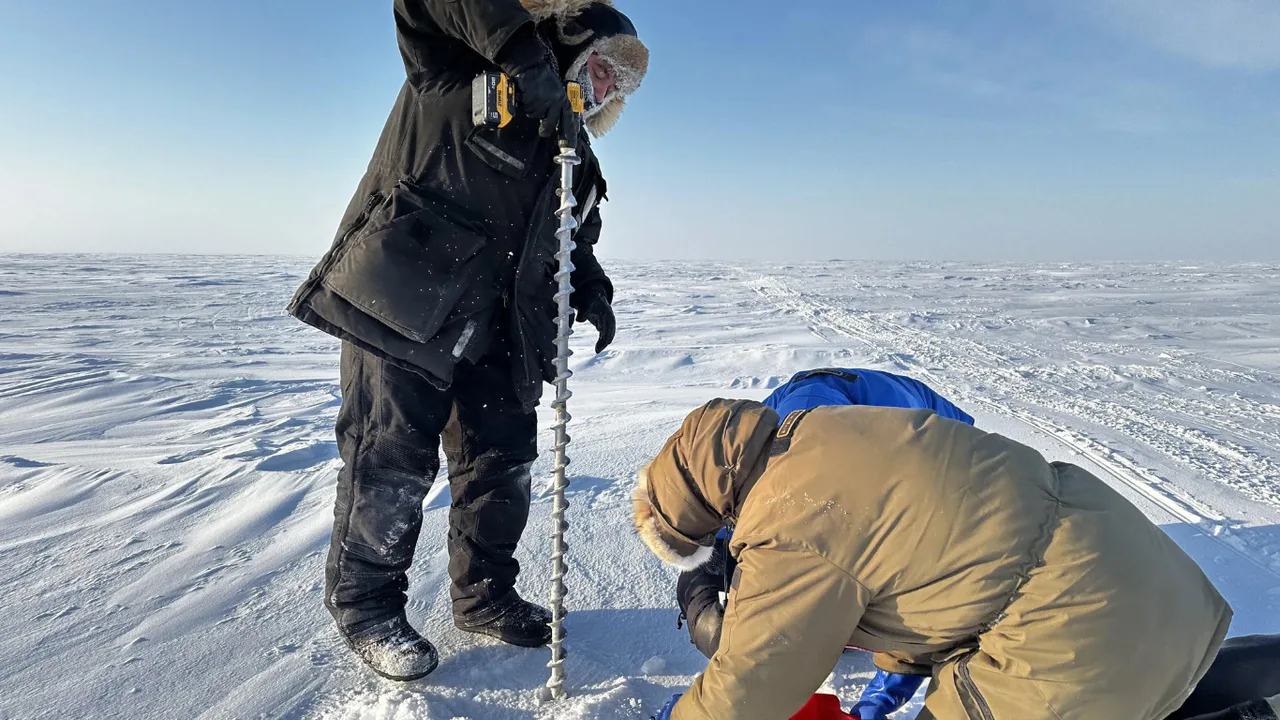
Due to global climate change, glaciers in the Arctic are shrinking at a rapid pace. The British startup Real Ice is testing a technology to artificially thicken sea ice in an attempt to slow down this process. This was reported by The Guardian.
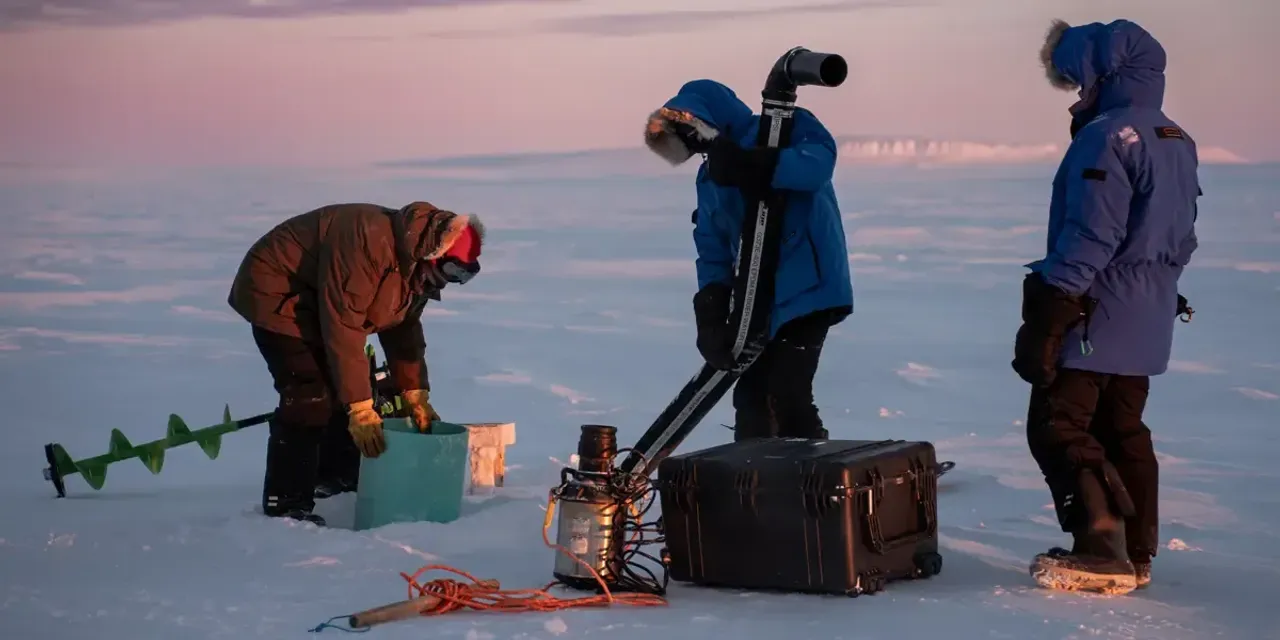
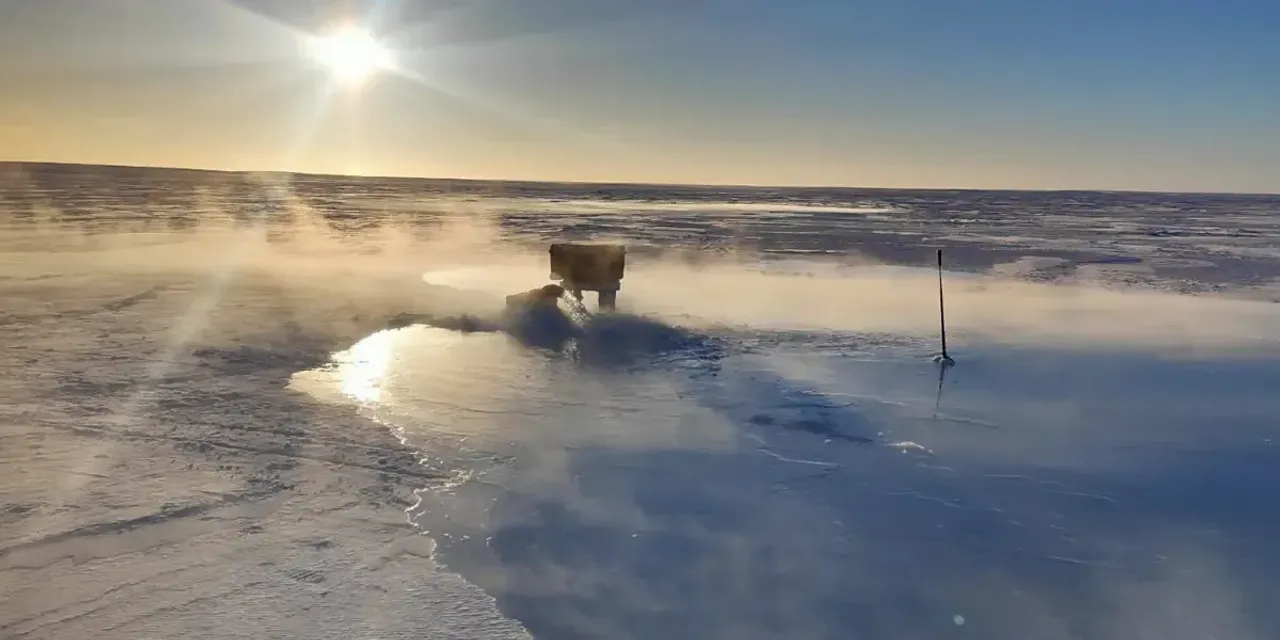
The core idea of the project involves pumping seawater from beneath the ice to the surface during the winter. To do this, special holes are first drilled into the ice layer. Then, the water from below is brought to the surface. Because the air temperature is extremely low, the water freezes quickly, creating an additional layer on top of the existing ice.
Researchers believe that ice thickened in this way could last longer than usual during the summer season and slow down the melting process.
How much funding has been allocated for the project?
The British organization Advanced Research and Invention Agency (ARIA) is funding a research program worth a total of 9.9 million pounds sterling to re-thicken Arctic ice. Of this, 3.5 million pounds has been allocated to the Real Ice startup.
The experiments are planned to be conducted over three winter seasons in the Nunavut region of Canada. Initially, tests will be carried out on small areas, with plans to expand the scale of the experiment depending on the results.
Underwater drones may be deployed in the future
In the later stages of the project, there are plans to use autonomous underwater drones capable of moving beneath the ice. They could drill special holes in the ice and automatically bring water to the surface. This would reduce the need for humans to work in extremely cold conditions for long periods.
According to initial estimates by Real Ice, applying the technology on an Arctic-wide scale could cost approximately 10 billion dollars per year.
Will this method actually be effective?
For now, the technology's impact on the global climate has not been fully proven. Scientists are studying how long the thickened ice will last in the summer, what impact it will have on the marine ecosystem, and the feasibility of applying the method over large areas.
Some experts have expressed concerns that bringing seawater to the ice surface could affect the levels of salt, nutrients, and microorganisms, and could also lead to unforeseen consequences for the local environment.
Researchers emphasize that this technology cannot replace the need to reduce greenhouse gas emissions in the fight against global warming. For now, it is being studied as an additional method to combat climate change.
No ads with a subscription
Zamin Premium — 4 900 UZS a month


Related news


Comments0
…