


Starlink and NTT Docomo Partnership: Japan Leads in Space-Based Connectivity
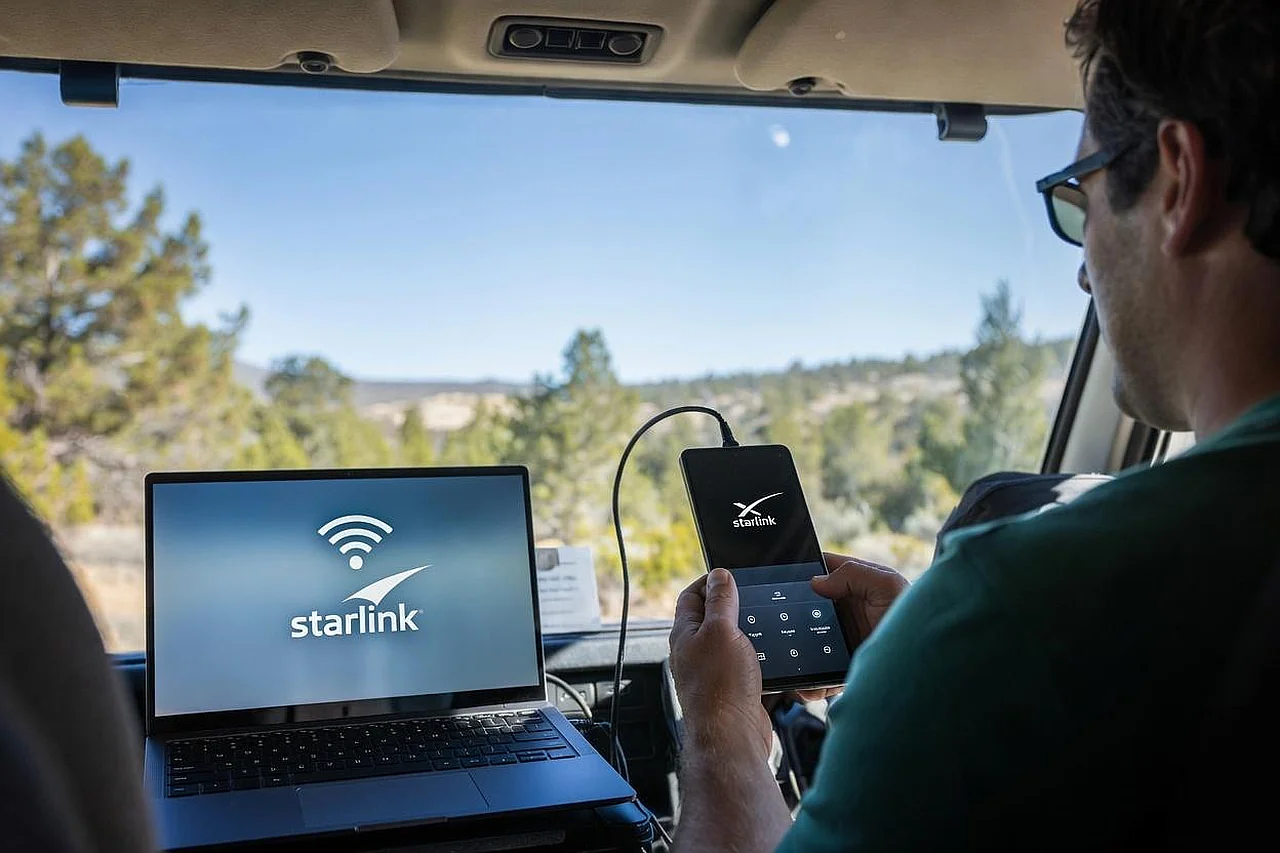
Direct-to-satellite communication technologies are reaching a new milestone in the global market. SpaceX's Starlink project has announced a major success in partnership with Japan's largest telecom operator, NTT Docomo. According to recent data, the number of Starlink Direct to Cell users in the country has exceeded 5 million. This is reported by Ixbt.com reports .
This technology allows standard smartphones to connect directly to satellites in space without the need for special hardware. According to the ixbt.com report, this figure, recorded as of July 2026, demonstrates how rapidly the integration of space and mobile communications is evolving. NTT Docomo launched this service in April 2026.
Mobile towers in space
The uniqueness of Starlink Direct to Cell technology lies in its ability to turn satellites in space into "flying base stations." Through this system, users can send messages, use apps, and transfer data using standard smartphones that support the 4G (LTE) standard. Most importantly, this service works reliably even in areas where traditional terrestrial cell towers cannot reach.Users in Japan have gained the ability to stay connected even when they are 12 nautical miles off the coast. This is fundamentally improving communication quality in mountainous regions, remote villages, and at sea. The name NTT Docomo is a play on the Japanese word "dokomo" (everywhere), and through its partnership with Starlink, the company is fully living up to this meaning.
A vital solution for emergencies
Due to Japan's geographical location and high risk of natural disasters, such a stable communication system is of strategic importance. In the event that terrestrial infrastructure is damaged by earthquakes or tsunamis, Starlink satellites can serve as the only source of uninterrupted communication.Currently, other major Japanese operators, including SoftBank and KDDI, are actively testing this technology. Experts believe that signals transmitted directly from space to smartphones will completely eliminate the concept of "dead zones" or areas without coverage worldwide in the coming years.
For countries with mountainous and vast desert regions like Uzbekistan, this technology also promises great prospects in the future. Although the service is currently operating in limited countries, SpaceX continues to expand its global coverage.


Comments 0
…