


Vera Rubin Telescope Unveils Universe’s First Ultra-Deep Image
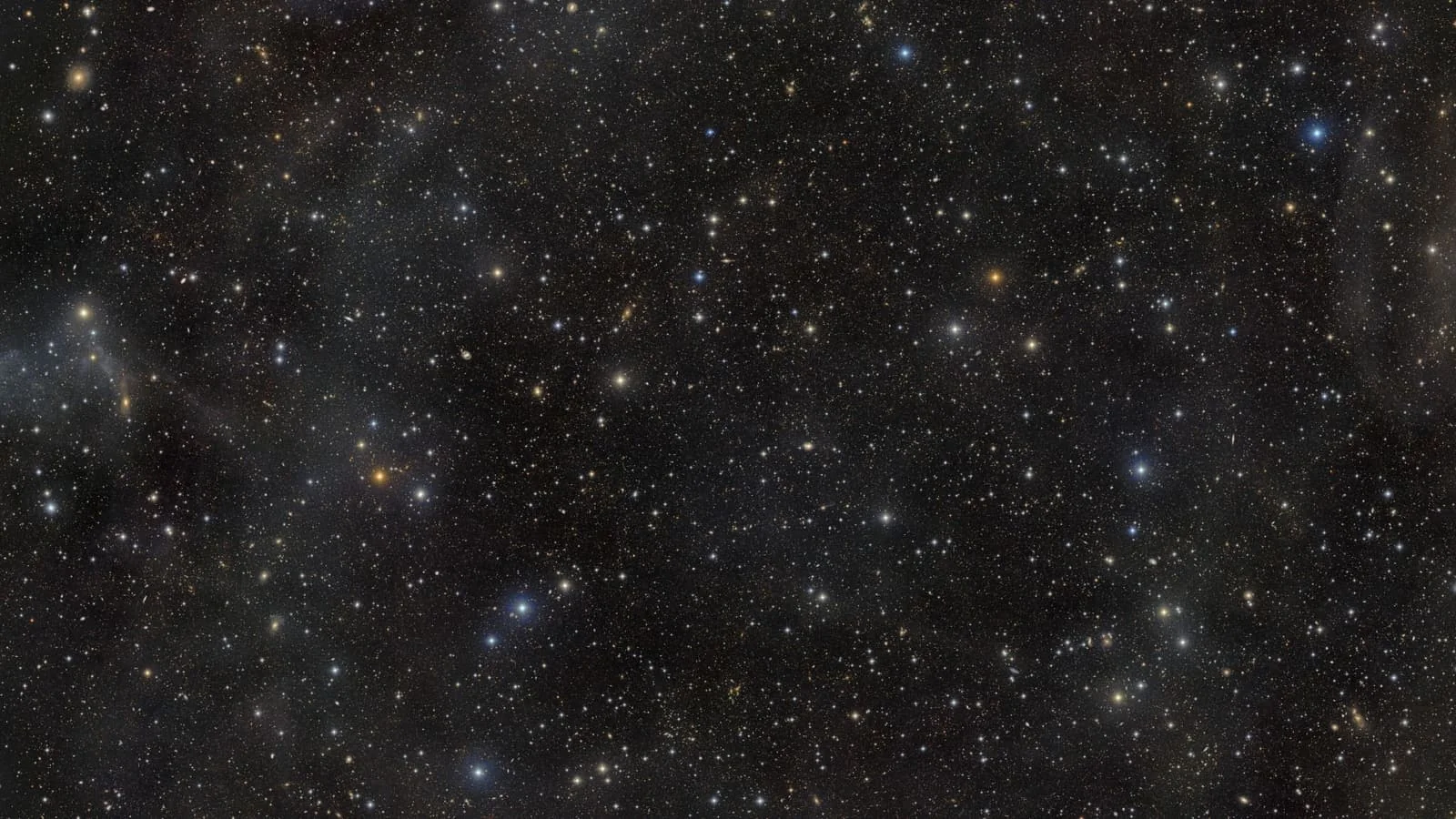
The Vera Rubin Observatory has unveiled its first scientific image captured using the world's largest digital camera, the LSST Camera. This immense image features over 500,000 galaxies and 50,000 stars in a region of the sky known as COSMOS, marking a crucial milestone in studying the evolution of the universe. This is reported by Ixbt.com reports .
According to ixbt.com, this unique image was created by combining hundreds of individual observations. Because the selected COSMOS field is located far from the plane of the Milky Way, it contains a relatively small amount of stars and interstellar dust. This allowed astronomers to observe the most distant galaxies—whose light has taken billions of years to reach Earth—without interference.
Scientific Significance and Observation History
According to reports, the COSMOS field has been actively studied since 2003 by the Hubble Space Telescope and other leading observatories across a range from radio waves to X-rays. This region is considered one of the primary benchmark fields for modern astronomy.The Vera Rubin Observatory will further enrich this database with its wide field of view, high imaging depth, and regular repetitive observations. Specialists will be able not only to analyze the structure of distant galaxies but also to monitor short-term cosmic changes, such as supernova explosions, in real time.
Future Plans and Data Openness
This initial release was carried out under the Early Data Preview 2 (EDP2) program, which includes observations conducted from April 2025 to January 2026. The catalog features composite images covering an area of approximately 3,000 square degrees, equal to one-sixth of the visible southern sky.The ten-year large-scale scientific project named the Legacy Survey of Space and Time (LSST) is just beginning. Therefore, although EDP2 is not a direct primary database, it provides a foundation for scientists to test data processing methods and prepare analysis tools. In the future, this data—currently used by the US, Chile, and international partner organizations—is expected to be open to everyone in two years.


Comments 0
…