


The history of sericulture is being rewritten: 4-thousand-year-old evidence found in Uzbekistan
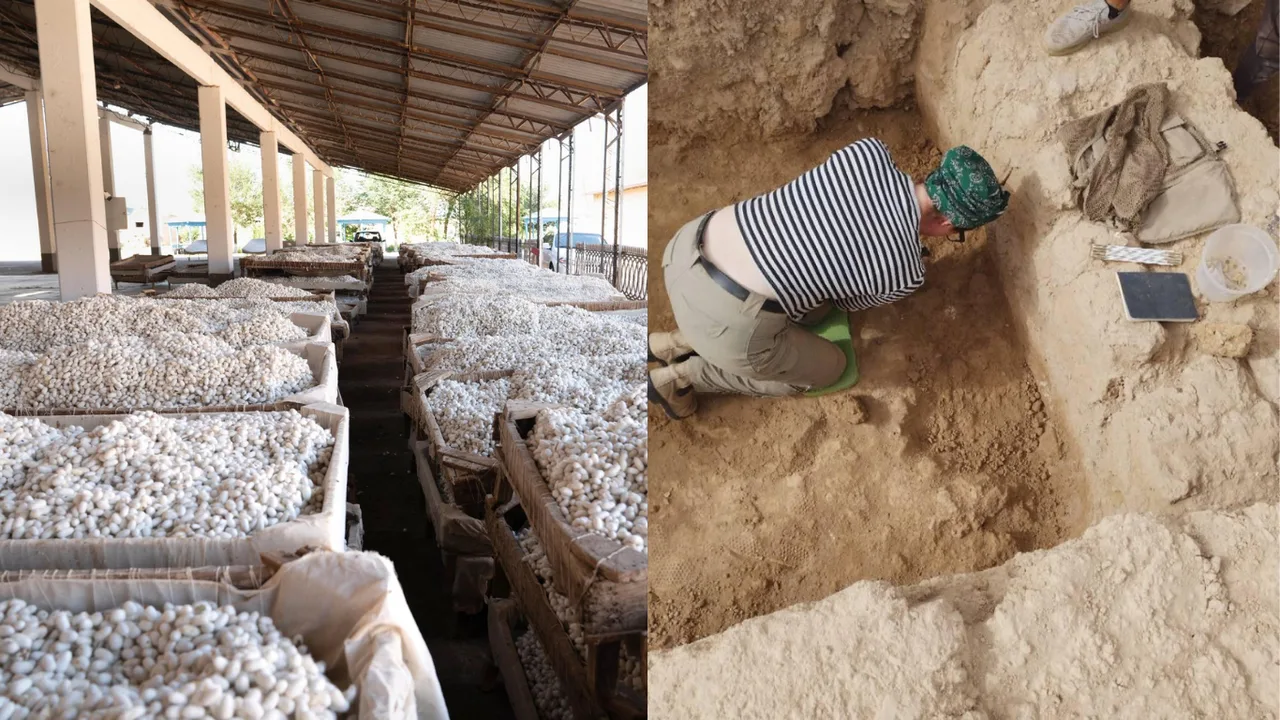
Archaeological evidence discovered at the ancient settlement of Sapallitepa in the Surkhandarya region has shown that the history of sericulture in Central Asia may be much older than previously assumed.
During research involving researchers from Washington University in St. Louis and other specialists, three well-preserved silkworm cocoons were identified at the site. Their age is estimated to be around 4,000 years. This discovery indicates that activities related to silkworm breeding or silk production on the territory of modern-day Uzbekistan may have existed nearly 2,000 years before the formation of the Great Silk Road.
Previous scientific views were dominated by the notion that ancient China was the primary center of sericulture and that silk production technology later spread to Central Asia through trade routes. The new finding shows that this process was much more complex, and sericulture may have emerged very early in Southern Central Asia or reached this region in ancient times.
At the same time, scientists emphasize that the find does not yet lead to the conclusion that "sericulture originated specifically in Uzbekistan." This requires additional archaeological and scientific evidence. However, the finds at Sapallitepa demonstrate that Central Asia's role in the history of sericulture may be much more significant than previously thought.
Interestingly, sericulture remains one of the important traditions in Uzbekistan to this day. UNESCO has also recognized sericulture and traditional silk production practices in Central Asian countries, including Uzbekistan, as part of humanity's intangible cultural heritage.


Comments 0
…