


Rare syndrome in Ecuador brings scientists closer to the secret of cancer
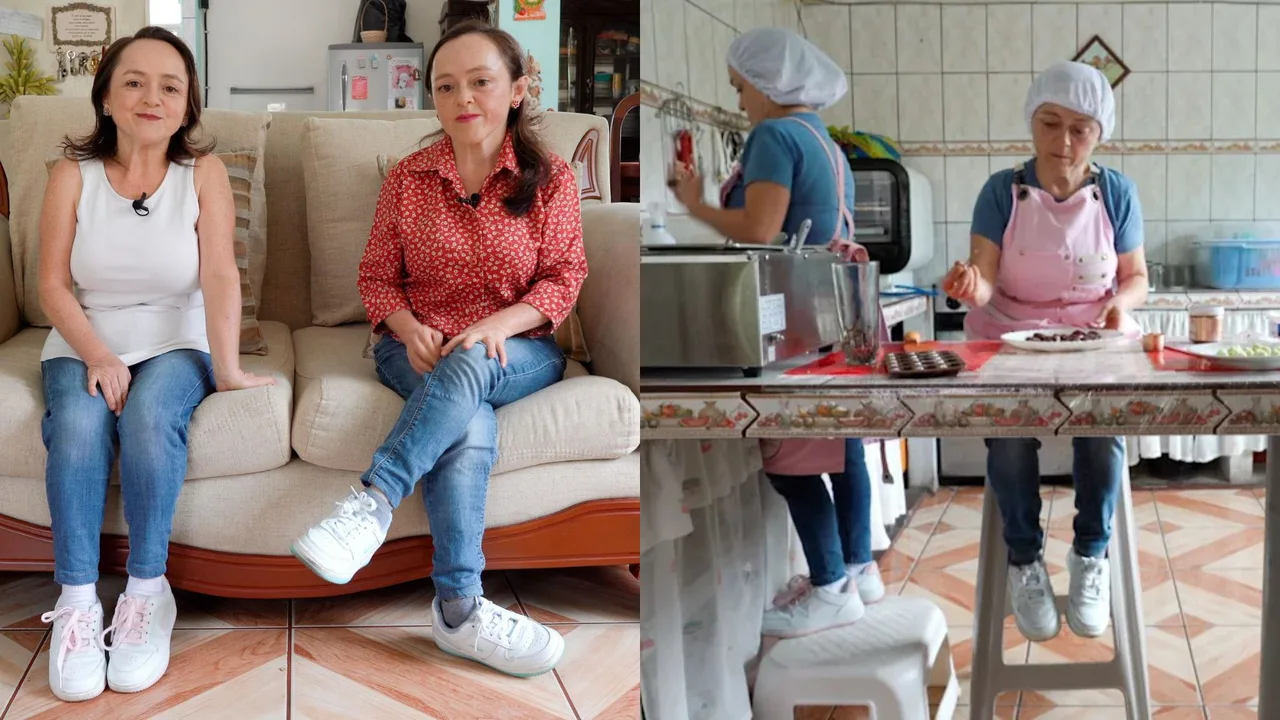
Nestled in the Andes mountains of southern Ecuador, the city of Piñas is known for a unique phenomenon that has captured the attention of scientists. In this region of just 8,000 residents, the number of people with Laron syndrome is among the highest in the world. Scientists suggest that this rare genetic condition could help prevent cancer in the future.
Laron syndrome prevents the human body from responding to growth hormones. As a result, patients typically do not exceed 1.2 meters in height. However, studies have shown that people with this syndrome are significantly less likely to develop cancer and diabetes than others.
Twin sisters from Piñas, Maria Luisa Romero and Maria del Cisne, were also born with this syndrome. They say that while they have faced many difficulties throughout their lives, they have always supported each other.
“We always combine our strength and protect each other,” says Maria Luisa.
Endocrinologist Dr. Jaime Guevara, who has been studying Laron syndrome for over 40 years, stated that the main goal of scientists is to replicate the protective mechanisms found in this syndrome in healthy people through medication or diet.
This condition was first identified 60 years ago by Israeli pediatrician Zvi Laron. To date, 840 patients have been officially registered worldwide, with the majority living in the El Oro and Loja regions of Ecuador.
Dr. Guevara and American scientist Valter Longo monitored 100 patients with Laron syndrome and 1,600 of their healthy relatives over a 22-year period.
According to the study results, no cases of diabetes were recorded among participants with Laron syndrome, and only one mild case of cancer was identified. In contrast, 5% of the control group were diagnosed with diabetes and 17% with cancer.
Scientists explain this by the very low levels of a growth factor in the body called IGF-1. They believe this factor may influence the survival of cancer cells. However, experts emphasize that further research is needed to fully confirm this theory.
However, Laron syndrome does not provide absolute protection against diseases. This was confirmed when one of the twins, Maria del Cisne, was diagnosed with colon cancer two years ago. She recovered after surgery and chemotherapy.
“That’s when we realized we weren’t completely protected from these diseases. We understood that we need to pay attention to our health, exercise, and eat properly,” she says.
There is a drug called Increlex to treat Laron syndrome. If taken in childhood, it can help with height growth. However, the medicine is very expensive—one bottle costs over $800, and a child needs at least three bottles per month.
Maria Luisa and Maria del Cisne, who are 40 today, were unable to take advantage of this opportunity. Nevertheless, they have accepted their lives.
“I accepted myself as I am, and I thank God for creating me this way,” says Maria Luisa.
If the scientists' research yields the expected results, the people with Laron syndrome living in the small town of Piñas, Ecuador, could lead humanity toward new cancer treatments.


Comments 0
…