


War Fire in the Middle East: US Strikes Iran for the Ninth Consecutive Day
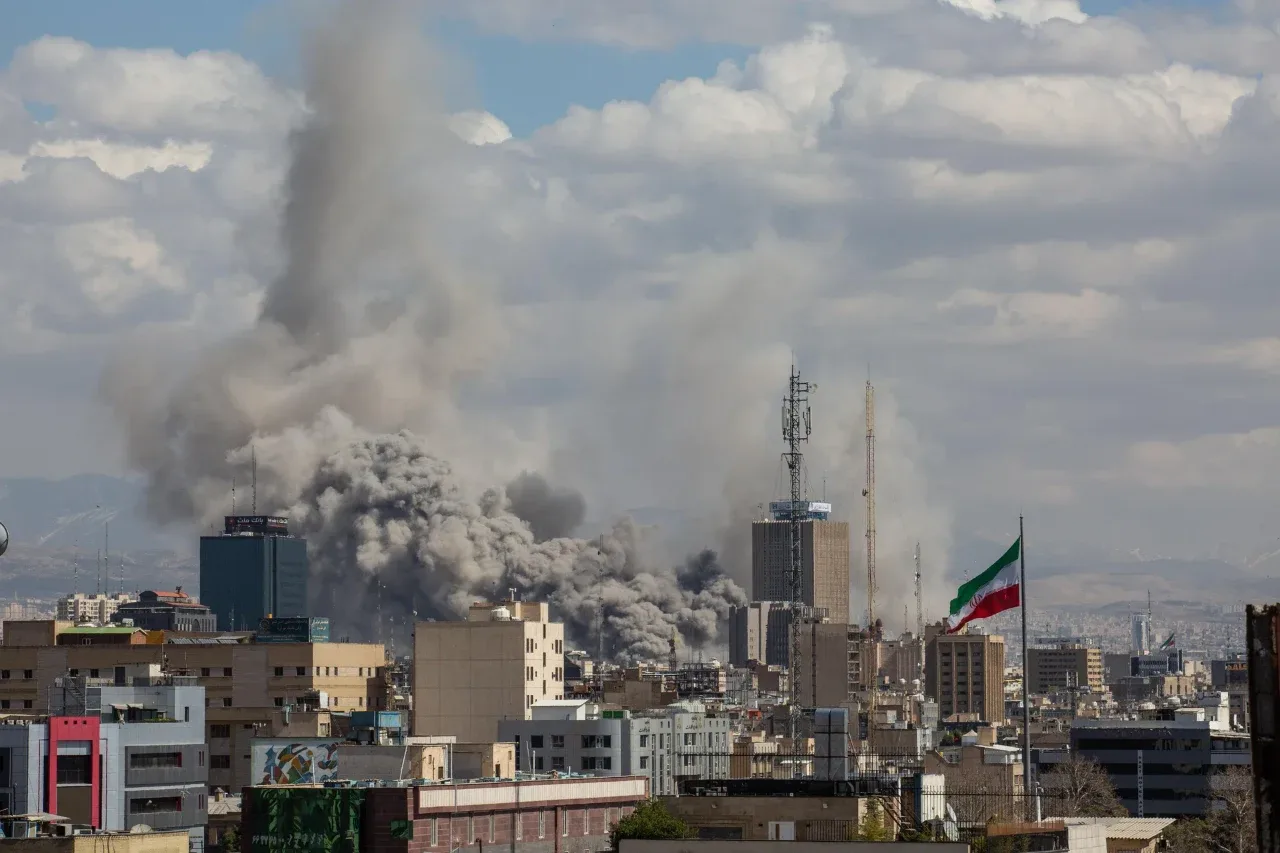
The US Armed Forces have launched airstrikes on targets within Iranian territory for the ninth consecutive night. While Washington states these operations aim to weaken Iran's military capabilities, Tehran continues to carry out attacks on US military facilities in Kuwait and Bahrain. This tension is also significantly impacting maritime traffic in the Strait of Hormuz.
Zamin.uz Provides details on the escalating military actions around the Middle East, casualties, and the situation in the global energy market.
US 9-night strikes and CENTCOM report
According to the US Central Command (CENTCOM), the latest airstrikes began on July 20 at 02:30 local time.
The American side emphasizes:
The primary goal of the strikes is to further limit Iran's military capabilities.
It is intended to weaken forces threatening merchant ships and civilian sailors in the Strait of Hormuz.
Donald Trump: 'This is a response for our fallen soldiers'
US President Donald Trump made a statement to journalists while returning to Washington after the World Cup final. He assessed the new attacks as a response to the deaths of American soldiers.
'We hit them very hard tonight. We did this in memory of our fallen soldiers,' said Trump.
According to CENTCOM, 3 more US soldiers have been killed since the latest military conflict in the Middle East began. Thus, the number of American soldiers killed since the war with Iran began has officially reached 17.
Tension in the Strait of Hormuz: Tankers detained
In response to US attacks, Iran continues to strike US military facilities located in Kuwait and Bahrain. At the same time, the Islamic Revolutionary Guard Corps (IRGC) announced that it has not stopped its military operations.
Current situation in the strait and maritime traffic indicators:
Detention of tankers: The IRGC announced that it had detained two oil tankers near the Strait of Hormuz on the night of July 20.
Explosions: According to Iran's Tasnim agency, these ships attempted to enter the strait illegally or leave it via a southern route, and explosions occurred on them.
Decline in maritime traffic: According to London Stock Exchange data, while 8 ships passed through the strait on July 18, the number was only 4 on July 19.
Situation in the gas market: Ships waiting in line
According to the analysis company S&P Global, despite the disruptions in the Strait of Hormuz, the production of liquefied natural gas (LNG) in Qatar and the United Arab Emirates remains relatively stable for now.
However, the restricted movement through the strait is showing its consequences:
The number of LNG tankers waiting in the Persian Gulf is increasing.
According to the company's estimates, there are currently tankers loaded with liquefied gas with a total capacity of nearly 1.9 million tons accumulated in the region.



Comments 0
…