


Female Mayor’s Maternity Leave Causes Stir in Japan
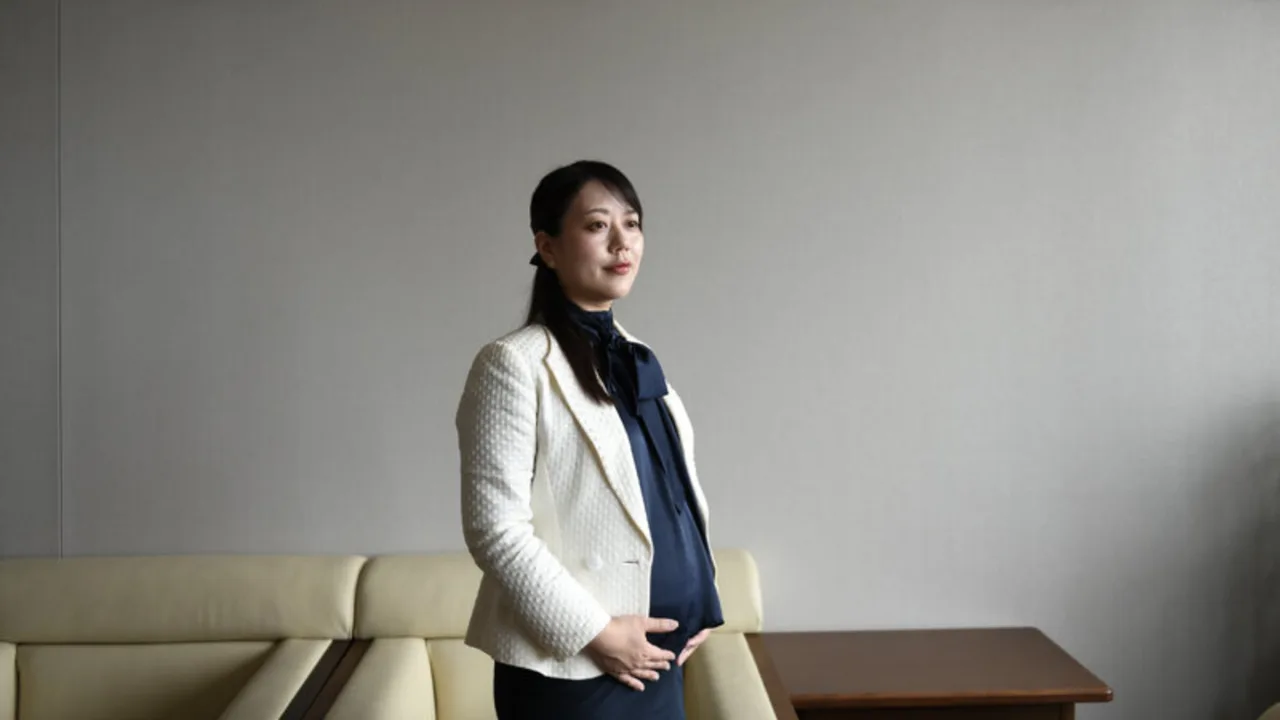
Shoko Kawata, mayor of the small city of Yawata in western Japan, became the first sitting mayor in the country’s history to take maternity leave. Her decision sparked debate in Japan and attracted international media attention.
Kawata, who leads Yawata, a city of around 69,000 residents, became Japan’s youngest female mayor in 2023 at the age of 33. She said she had planned to have a child from the moment she was elected.
Although city employees are guaranteed 16 weeks of maternity leave, no such arrangement existed for mayors. Kawata therefore had to establish a special procedure to take maternity leave.
“When I learned that I was the first mayor to do this, I was very surprised myself. I realized that very few young women—or women in general—had become mayors before me,” Kawata said.
One of the mayor’s last public appearances before going on leave was a street procession held ahead of the Yawata Taiko Festival. As her pregnancy was quite visible, Kawata walked behind the portable Shinto shrine, or mikoshi, instead of riding on it as tradition dictates.
Kawata’s decision prompted renewed discussion of gender equality in Japan. Women’s participation in the country’s political sphere remains low. In the World Economic Forum’s latest gender equality report, Japan ranked 118th out of 148 countries overall and 125th for political empowerment.
Kawata believes serious reforms are needed, especially in Japan, where the population is aging and the birth rate is among the lowest in the world.
Under Japanese law, women are entitled to approximately 14 weeks of maternity leave. They generally receive about two-thirds of their salary during this period, along with an additional childbirth allowance. The conditions are even more favorable for some public servants.
“There is a lot of talk about gender equality and labor reform. But we need to build a society in which people in every profession, including those in leadership positions, do not hesitate to have children. Otherwise, it will be difficult to prevent the birth rate from falling, the population from continuously shrinking, and the economy from declining,” Kawata said.
Most city residents supported the mayor’s decision. Her colleagues also encouraged her to take maternity leave. However, after the matter received extensive media coverage, critical comments also appeared on social media.
Kawata said she was upset that some users wrote that she had become famous for taking maternity leave rather than performing her duties as mayor and that she held office “not to work, but to take leave.” Her child is expected to be born in September.
At the same time, not all local residents supported the mayor’s decision equally. Some, including Chie Fujita, a Yawata resident, acknowledged Kawata’s right to maternity leave but objected to her receiving her full salary during the leave.
“I am also a woman and have children myself. So, as a woman, I support her right to take leave during childbirth. However, I cannot fully agree with her receiving 100 percent of her salary while on leave,” Fujita said.


Comments 0
…