


SpaceX Falcon 9 successfully launches 130 spacecraft into orbit
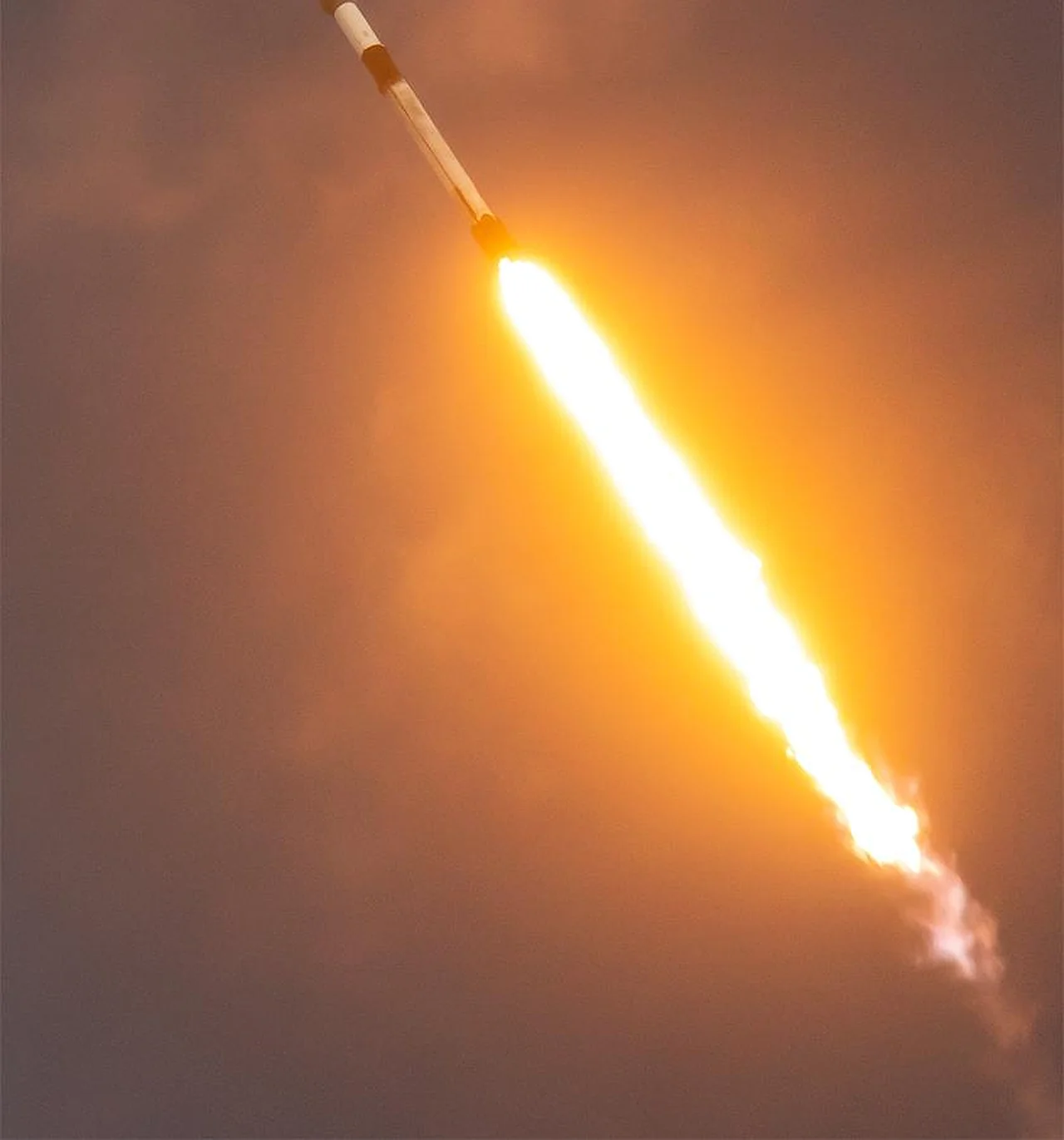
According to Ixbt.com, SpaceX has successfully completed another major mission, delivering 130 satellites and small spacecraft into Earth's orbit simultaneously. This large-scale mission, dubbed Transporter-18, marks a significant step in the development of modern space technology, carrying not only scientific research projects but also promising initiatives in AI and energy transmission. This is reported by news source.
It is reported that the Falcon 9 rocket was successfully launched on October 1st from the SLC-4E pad at Vandenberg Space Force Base in California, USA. The flight proceeded as scheduled, and all payloads were deployed into low Earth orbit at the designated time. Although this mission is one of SpaceX's largest rideshare flights, it is not an absolute record—as a reminder, 143 spacecraft were launched during the Transporter-1 mission in January 2021.
Google AI project and new technologies
One of the most notable devices launched during Transporter-18 was an experimental apparatus from Google's Project Suncatcher. Through this initiative, the company is exploring the potential for creating orbital infrastructure for AI tasks. The Google prototype is designed to test its tensor processing units (TPU) directly in space, with experts aiming to study the chip's radiation resistance and the efficiency of heat dissipation during operation.In the future, Google is considering the possibility of forming a constellation of satellites with sufficient computing power to run AI systems in space. Additionally, the Reason-1 apparatus from Cowboy Space was also deployed into orbit during this mission. This device is designed to conduct experiments on transmitting energy from orbit to Earth using high-power lasers, with developers viewing such optical technologies as a key element of future orbital computing infrastructure.
Orbital servicing and future plans
Among the mission participants, the presence of Starfish Space's first service satellite, named Otter, stands out. These types of vehicles are designed to service and support the operations of other satellites directly in orbit. Overall, Transporter-18 included CubeSats, microsatellites, two spacecraft with return capsules, and four orbital tugs carrying 41 payloads.High technical performance was also recorded during the flight. The first stage of the Falcon 9 rocket (B1082) successfully returned to Vandenberg base approximately seven and a half minutes after launch, landing at the LZ-4 pad. For this booster, the flight marked its 28th successful mission. Notably, the Transporter-18 launch was part of an extremely busy day for SpaceX, as the company also sent the crewed Crew-13 mission to the ISS for NASA and planned the NROL-97 mission for the US National Reconnaissance Office using a Falcon Heavy rocket.


Comments 0
…