


Pentagon allocates large sum for AI-controlled missile system
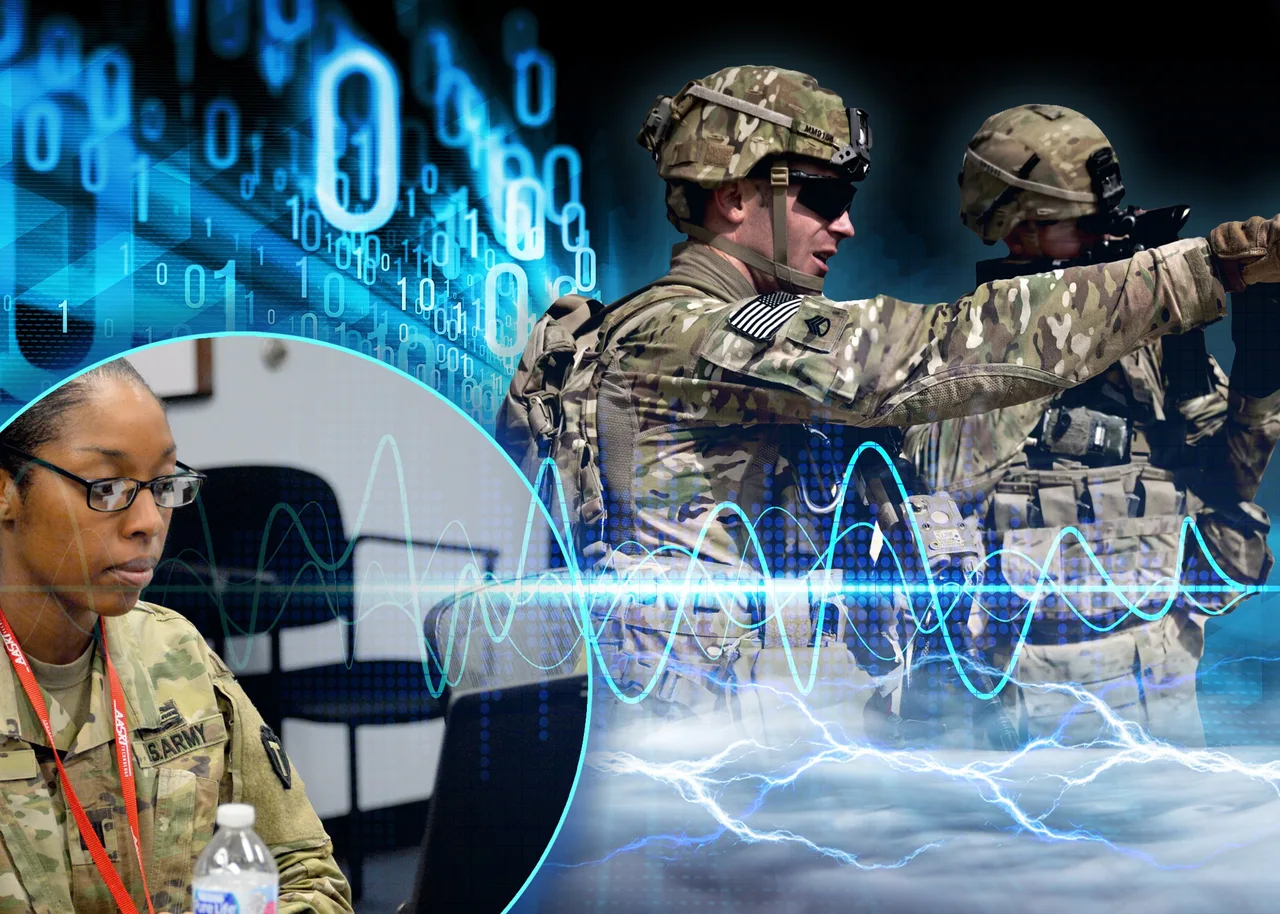
The U.S. Department of Defense (Pentagon) has allocated $192 million to Palantir Technologies and Anduril Industries to begin mass production of the next-generation TITAN (Tactical Intelligence Targeting Access Node) missile and intelligence system, equipped with artificial intelligence. According to Defense News, this project is central to the modernization of U.S. Army forces, aiming to identify and destroy long-range targets within seconds.
Palantir leadership and satellite connectivity
The core of the military program has been entrusted to leading Silicon Valley giants in information technology and artificial intelligence:
$127 million prime contractor: Palantir Technologies secured the largest portion of the contract, worth $127 million. The company is also involving major defense partners such as L3 Harris and Sierra Nevada in the work;
Integration with orbital satellites: As part of the project, a completely new navigation system will be developed to process large volumes of intelligence data from Earth-orbiting satellites in real time;
Lightning-fast data processing: The TITAN complex allows military forces to instantly aggregate images from various sensors, drones, and space assets, transmitting target coordinates directly to strike systems.
Targeting speed and the AI revolution
Military analysts view this agreement as a new phase of future warfare:
Target acquisition time is shrinking: The Pentagon's primary goal is to minimize the time between searching for, analyzing, and deciding to strike enemy objects and equipment. This task will be performed by algorithms and artificial intelligence;
Massive orders for 2027: This phase is just the beginning of the project, with the Pentagon planning to sign additional large-scale contracts for the mass delivery of these smart missile systems to troops in 2027;
Digital transformation of ground forces: The complex reduces human error on the battlefield and dramatically increases the effectiveness of high-precision missile strikes.
What risks do you think fully relying on AI for military weapon control and target selection might pose in the future? Will Silicon Valley technologies completely change the nature of traditional warfare? Leave your thoughts in the comments!



Comments 0
…