


Pentagon introduced testosterone screening for military — then reversed the decision
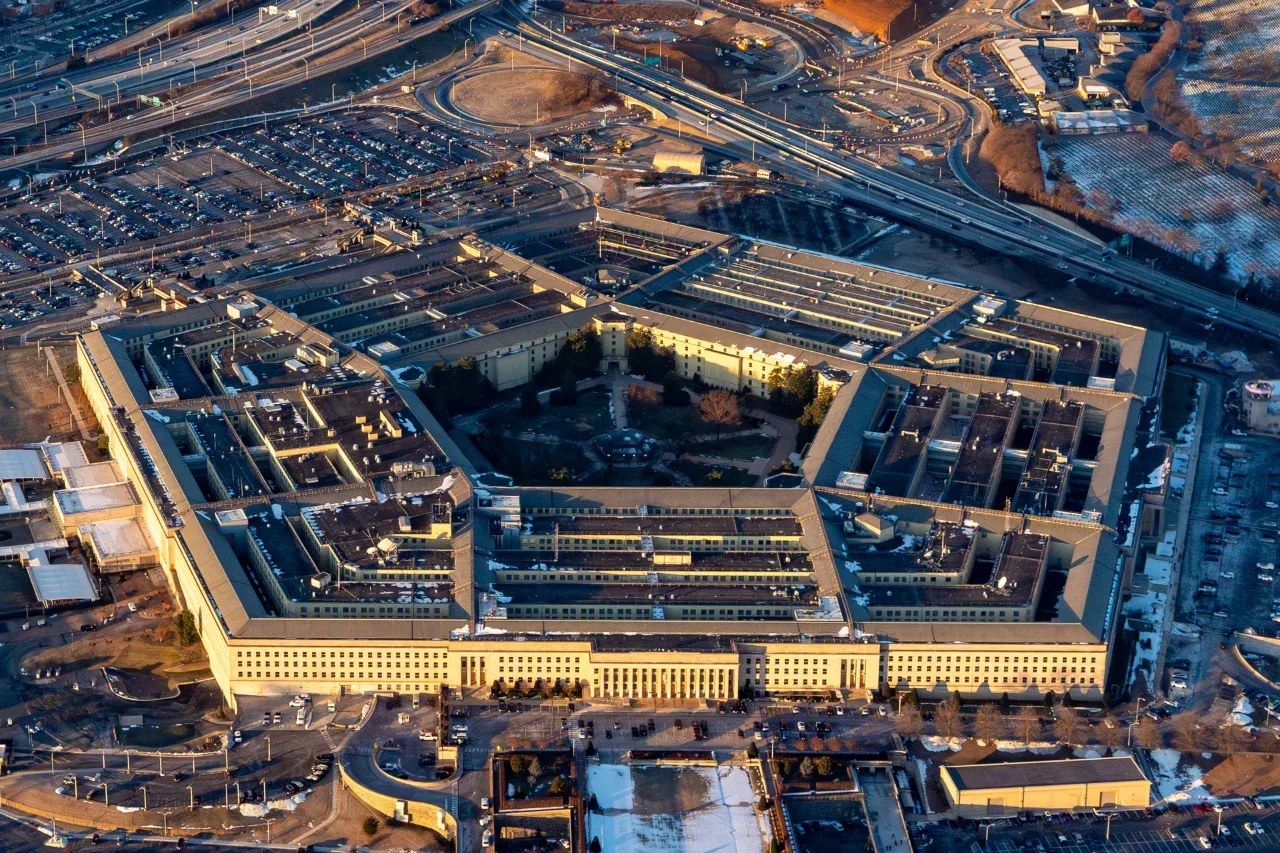
The U.S. Department of Defense attempted to implement a new procedure for identifying testosterone deficiency in military personnel aged 30 and older. However, one day after the document was published, the Pentagon temporarily rescinded the new clinical guideline.
Consequently, the issue sparked a broader debate than a routine medical check-up: the Pentagon aimed to improve the readiness and performance of service members by identifying hormone-related issues.
What changes was the Pentagon planning to introduce?
According to the new procedure, active duty and reserve military personnel aged 30 and older were to have testosterone deficiency screening included in their annual medical assessment.
Military personnel under 30 were to have the option to undergo screening voluntarily.
The Pentagon presented this initiative as a measure aimed at improving the health, physical fitness, and service performance of military personnel.
Why testosterone specifically?
Testosterone is involved in a number of important processes in the body. Its deficiency can, in some cases, be associated with fatigue, loss of muscle mass, and other changes.
The Pentagon's goal was to identify potential hormonal problems early and provide medical assistance where necessary.
Why did this decision cause controversy?
The new policy was not universally supported by medical experts.
Some specialists questioned whether there was sufficient scientific evidence to routinely screen all military personnel over 30 for testosterone deficiency. Experts in endocrinology also noted that there is insufficient evidence to support population-wide screening.
Specialists, furthermore, noted the risks associated with using testosterone therapy without a genuine medical need.
Latest update: the document has been temporarily withdrawn
The Pentagon had announced the new clinical guideline on September 2. However, on September 3, the document was removed from the website.
U.S. officials stated that the document was temporarily withdrawn for updates. At the same time, it was noted that the previous interim guidance remains in effect.
Therefore, the report that "The Pentagon has introduced mandatory testosterone screening for military personnel over 30" reflects the decision from September 2, but the subsequent change on September 3 must also be taken into account.
What will be the outcome?
The Pentagon's primary goal is to improve the long-term health and service readiness of military personnel by identifying potential hormonal and energy-related problems early.
However, the final form of the new clinical guideline is still being revised. The Pentagon has stated that it will update and re-release the final document.
Thus, the most important aspect of the event is not just the introduction of the testosterone test — but the fact that the Pentagon temporarily withdrew the new clinical guideline less than 24 hours after announcing it.



Comments 0
…