


Oil spill in the Gulf of Mexico: Emergency at Pemex pipeline
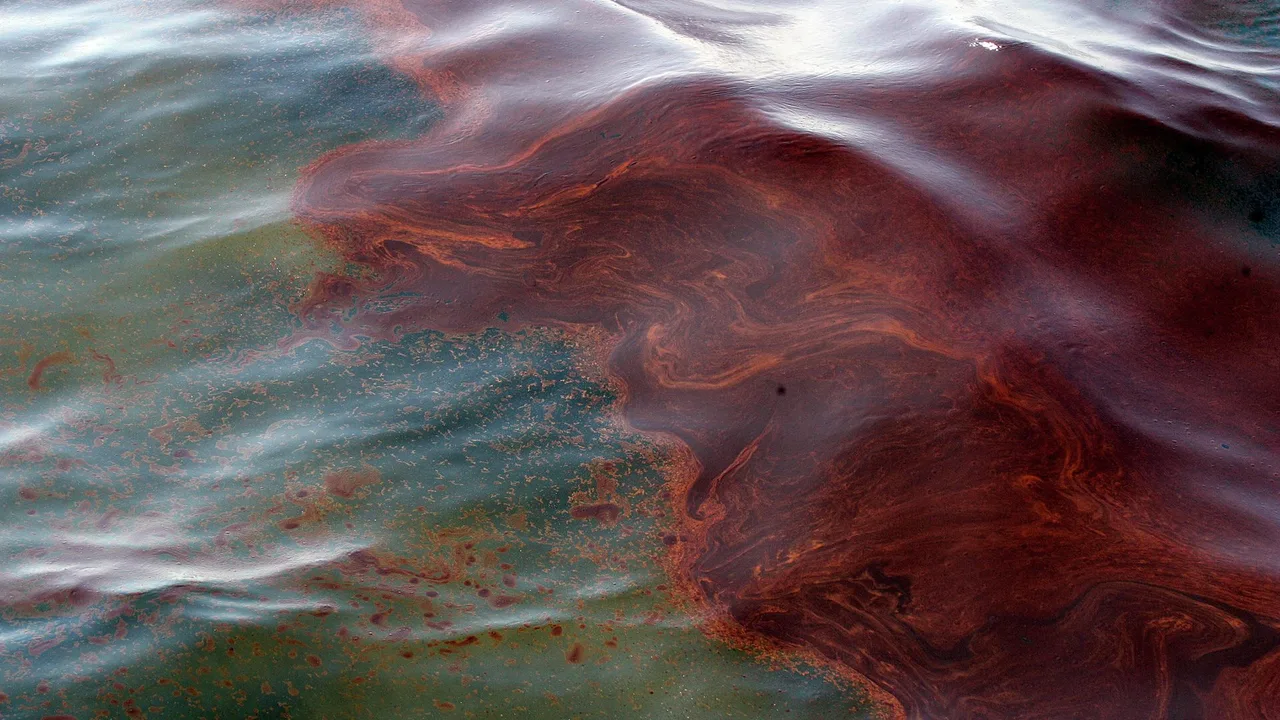
A major ecological emergency has occurred in the Gulf of Mexico, one of the most vital and ecologically sensitive water bodies in the Atlantic Ocean. According to official data confirmed by the Mexican Ministry of Science and the Gulf of Mexico Permanent Observatory, a sudden oil leak was observed in an underwater pipeline belonging to the state-owned oil giant Pemex. Following the accident, which occurred approximately 46 nautical miles north of Ciudad del Carmen in the state of Campeche, the government immediately declared a state of high combat and rescue readiness. Combat patrol ships of the Navy, aviation, and hundreds of military personnel were deployed to the disaster zone.
So, how large is the oil slick spreading, is there a real threat to the coastal ecosystem, and how might the approaching cold front complicate the situation in the coming days?
The September 10 accident and the rupture in the Pemex pipeline: How was the incident detected?
Details of the emergency were disclosed by scientific institutions:
The Observatory's urgent alarm: On September 10, the Gulf of Mexico Permanent Observatory recorded an oil spill at Pemex offshore facilities located 46 nautical miles from Ciudad del Carmen, and the scientific agency officially announced it;
Accident in the underwater pipeline: Expertsconfirmed through initial inspections that hydrocarbons were leaking directly from the subsea oil pipeline into the open sea;
Strict environmental control: All efforts to stop the oil, clean the water surface, and repair the damaged pipeline have been placed under the full control of Mexico's Agency for Safety, Energy, and Environment (ASEA).
Navy mobilization: The GRAME special plan has been activated
The Mexican government has mobilized all resources to prevent the oil slick from spreading in the open sea:
The 'GRAME' emergency protocol: The local plan of the Regional Group for Emergency Response (GRAME) was activated on the very day of the leak;
ARM Guanajuato patrol ship: The Navy's flagship ocean patrol vessel has arrived at the disaster site;
Sea and Air Force alliance: 4 additional special ships, 2 aircraft, and helicopters were involved in the oil collection and containment process;
255 marines and military personnel: 255 military personnel were mobilized to collect and isolate the black oil on the sea surface.
How high is the risk? Cold front factor and environmental forecasts
Experts are carefully calculating the direction of sea currents and wind:
Risk to the coast is currently low: According to the Observatory's calculations, the probability of the oil slick reaching land or sensitive protected areas is currently assessed as very low;
Major threat in the next 10 days: However, scientists warn that weather and current directions could change drastically due to an incoming cold front;
Risk of current shifts: Under the influence of wind and cyclones, the oil slick could suddenly shift toward coastlines or fishing areas, which is why the pace of installing barriers and cleaning up the oil is being doubled.
The Gulf of Mexico is not only one of the world's largest oil production hubs but also a home to unique marine fauna and a tourist destination. The intense efforts of the military and engineers are aimed at preventing this accident from turning into a major ecological catastrophe.
Do you think environmental safety requirements and fines for global offshore oil companies should be tightened? Can the military fully contain the oil slick in the face of the expected cold front and storms?
Leave your thoughts in the comments and share this analysis of the alarming incident in the Gulf of Mexico with all nature lovers!



Comments 0
…