


“Plan to Stop”: Macron Aims to Pressure Trump on Ukraine at UN Summit
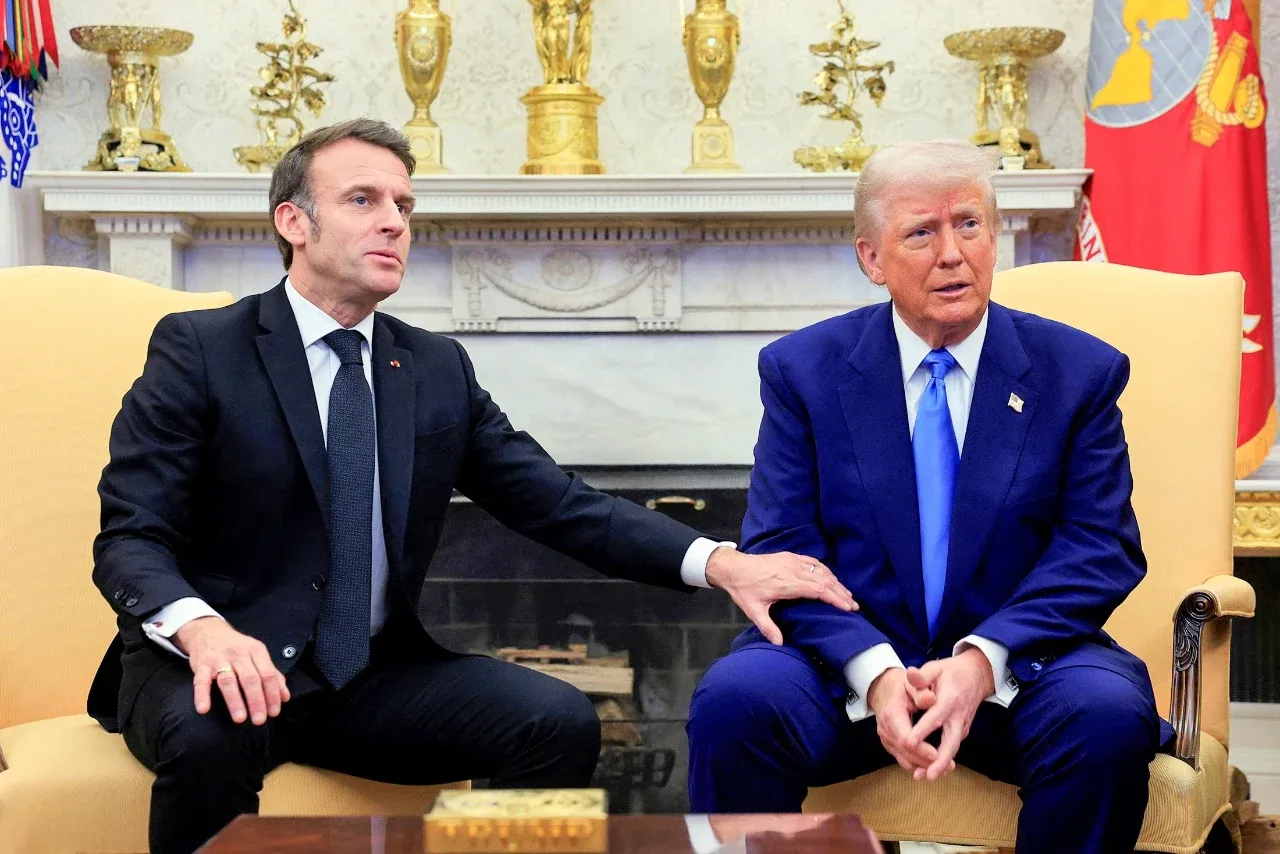
A decisive diplomatic clash testing the internal political unity of the Western coalition is expected on the sidelines of the UN General Assembly session in New York. Influential French publications Le Figaro and BFM TV report that French President Emmanuel Macron has decided to hold a private meeting with US leader Donald Trump to directly influence his decisions regarding support for Ukraine. Insiders at the Élysée Palace reveal that Macron intends to conduct the conversation with “absolute openness and brutal sincerity.”
Paris's main strategic goal is to persuade Washington to make the “right decisions”—that is, to prevent the cessation of US military-financial aid to Ukraine and to maintain political and economic pressure on Russia. This diplomatic move comes against the backdrop of Trump's sensational statement on September 14 that an agreement had been reached between Russia and Ukraine to stop strikes on energy facilities. Although Moscow and Kyiv have not confirmed such an official agreement, the Kremlin called the mediation a “good idea,” while the Ukrainian side stated that it had attempted to strike the Russian energy system even after this statement. Russian President Vladimir Putin noted that while attacks on energy infrastructure cause certain problems, they cannot seriously affect the military front.
So, can Macron convince Trump not to stop aid to Kyiv, is the “energy truce” plan real or just PR, and how will the disagreement between Western leaders change the fate of the war?
“Élysée Palace’s Open Dialogue, Energy Truce, and Kremlin Reaction”: 5 Key Points of the Event
The most important details of the diplomatic intrigue at the UN:
Macron’s mission in New York: The French leader will exert pressure to convince Trump to continue military aid to Ukraine and increase pressure on Moscow;
Trump’s September 14 statement: The US leader said both countries agreed to stop attacks on energy, but the parties have not officially confirmed this;
The Kremlin’s cautious position: Although Dmitry Peskov assessed the proposal as a “good idea,” he emphasized that Kyiv wants to save its “Achilles' heel” through a temporary halt, while Russia wants a long-term solution;
Putin’s view on energy: The Russian leadership stated that while attacks cause certain difficulties, they do not change the overall situation in the combat zone and fuel shortages are not critical;
Resistance to arms supplies: Moscow repeatedly reminds that Western arms supplies to Ukraine deepen the conflict and lead to prolonged clashes.
Division in Western diplomacy: The clash of Macron and Trump’s positions
Comparison of the strategic approaches of the US and French leaders regarding Ukraine:
Criteria and directions | Emmanuel Macron (France and EU) | Donald Trump (US position) |
Military aid to Ukraine | Firm continuation, lifting restrictions | Reducing aid and starting immediate negotiations |
Pressure on Russia | Intensifying sanctions, geopolitical encirclement | Reaching an agreement through trade and negotiations |
Energy strikes | Covering Ukraine with full protection systems (Air Defense) | Stopping mutual strikes (“Energy truce” proposal) |
Dialogue with the Kremlin | Diplomatic isolation primarily through strict conditions | Personal agreements and pragmatic mediation |
Main goal of the meeting | Keeping Trump from veering off the common Western course | Promoting his own election and peace formula |
International geopolitics and security expertise: Why is the Trump-Macron debate historically significant?
Conclusions of international political scientists and military analysts:
“Transatlantic and European” fragmentation: The EU understands well that it cannot fully provide Ukraine with weapons and financial resources without Washington; if Trump stops aid, it could lead to a total collapse of the front line;
Fragility of the energy truce: Trump’s initiative to stop attacks on infrastructure provides a temporary breather for both sides, but even if attacks are stopped, the fierce confrontation on the front will continue;
Kremlin’s strategy: Moscow views the situation pragmatically—as Peskov noted, an energy halt helps stabilize the domestic market, but Russia is in no hurry to conclude a long-term truce until its demands are fully met;
Macron’s leadership ambition: Against the backdrop of political uncertainties in Germany, Macron is trying to position himself as the main and sole defender of Europe and increase his continental influence by persuading Trump.
This open and tense dialogue in the UN corridors will determine the direction in which the global security architecture will develop in the coming months.
Do you think French President Emmanuel Macron can convince Trump to continue funding and supporting Ukraine? Could the “energy truce” idea proposed by Donald Trump be the beginning of ending the conflict? Leave your personal thoughts in the comments and share this important analytical article on the big political stage with all your friends and international news enthusiasts!



Comments 0
…