


The State is Now a Partner: Radical Reforms at Uzbekfilm and a Film about Avicenna Being Filmed
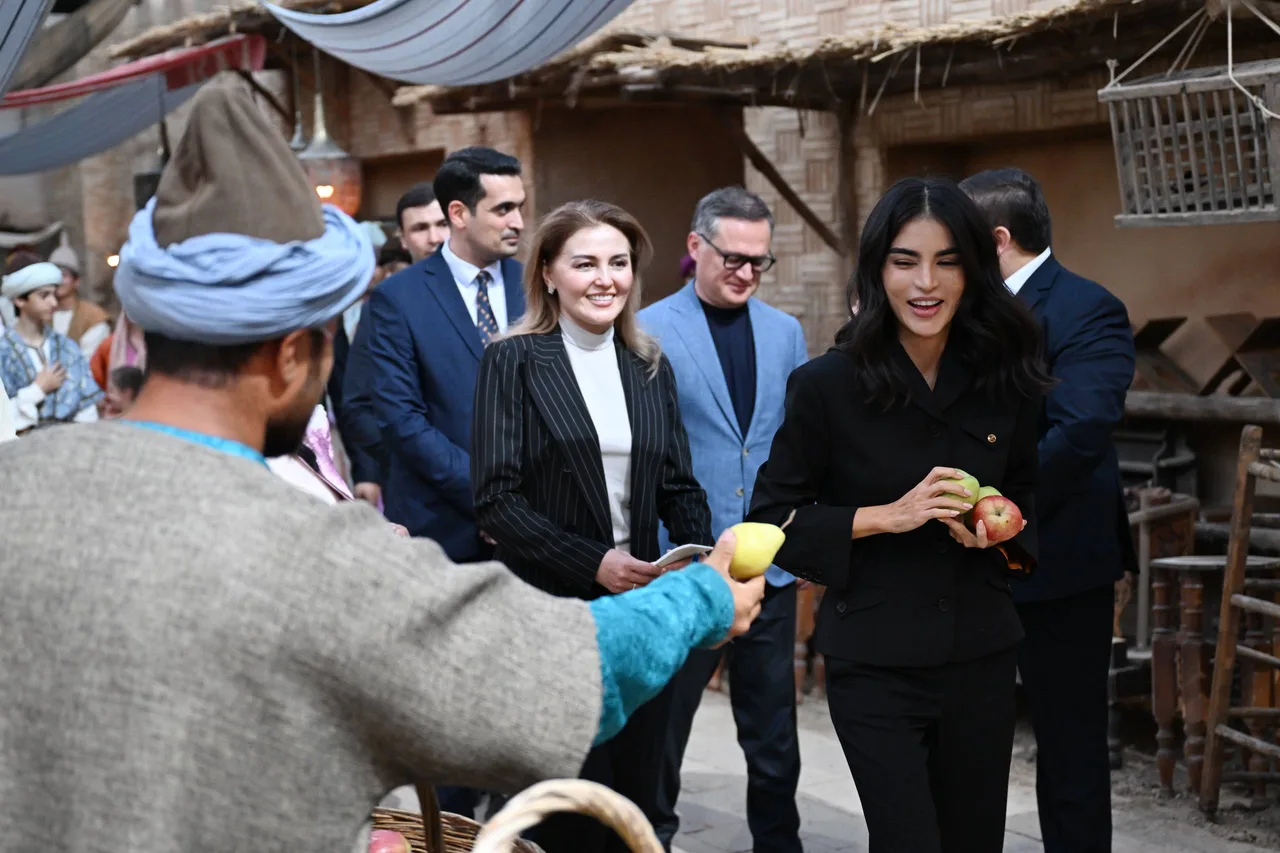
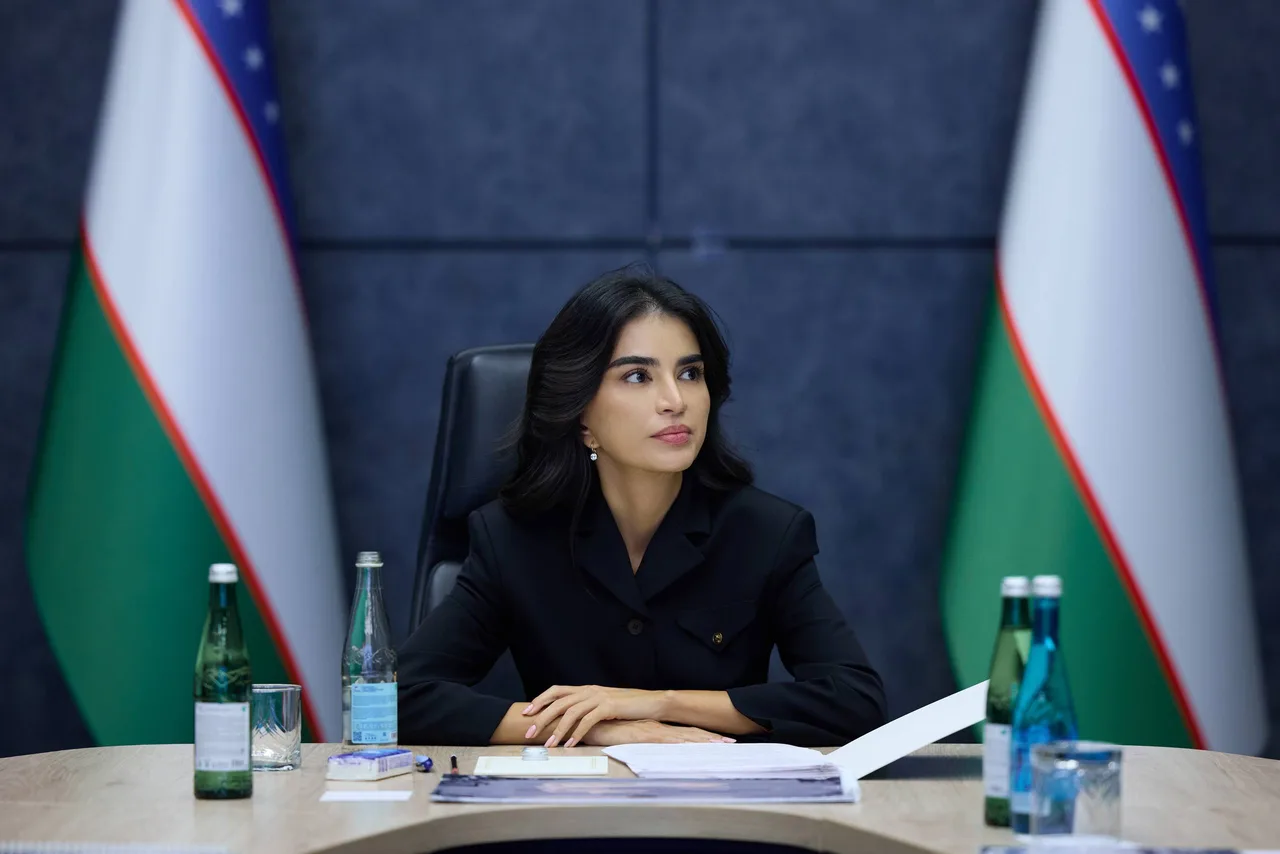
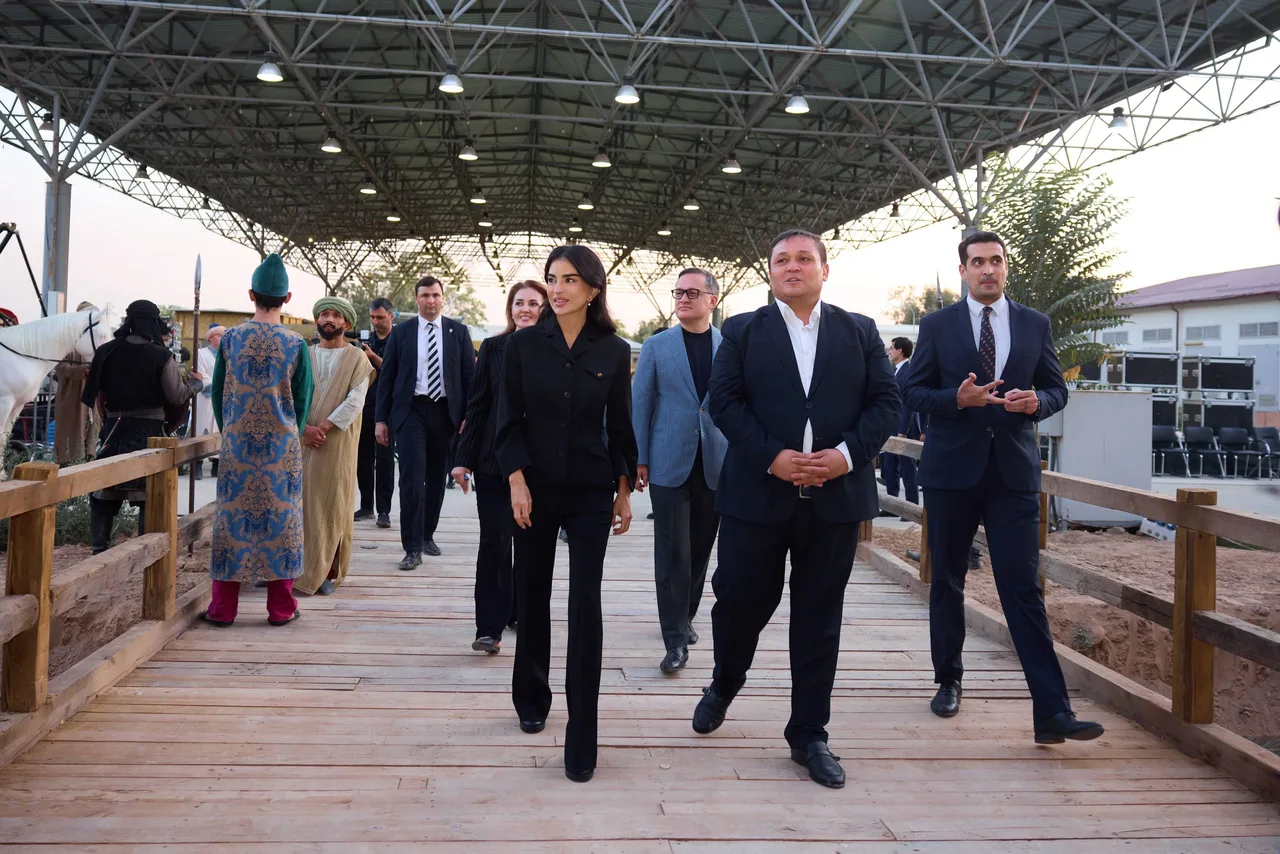
A long-awaited turning point in Uzbekistan's cinematography and national media industry has been officially announced. Head of the Presidential Administration Saida Mirziyoyeva visited the «Uzbekfilm» National Film Studio, closely familiarizing herself with its current state, creative team, and future strategic prospects. This institution, which for nearly a century has immortalized our people's glorious history, struggles, joys, and national experiences on screen, has now been tasked with becoming the primary anchor center and global brand of modern Uzbek cinema.
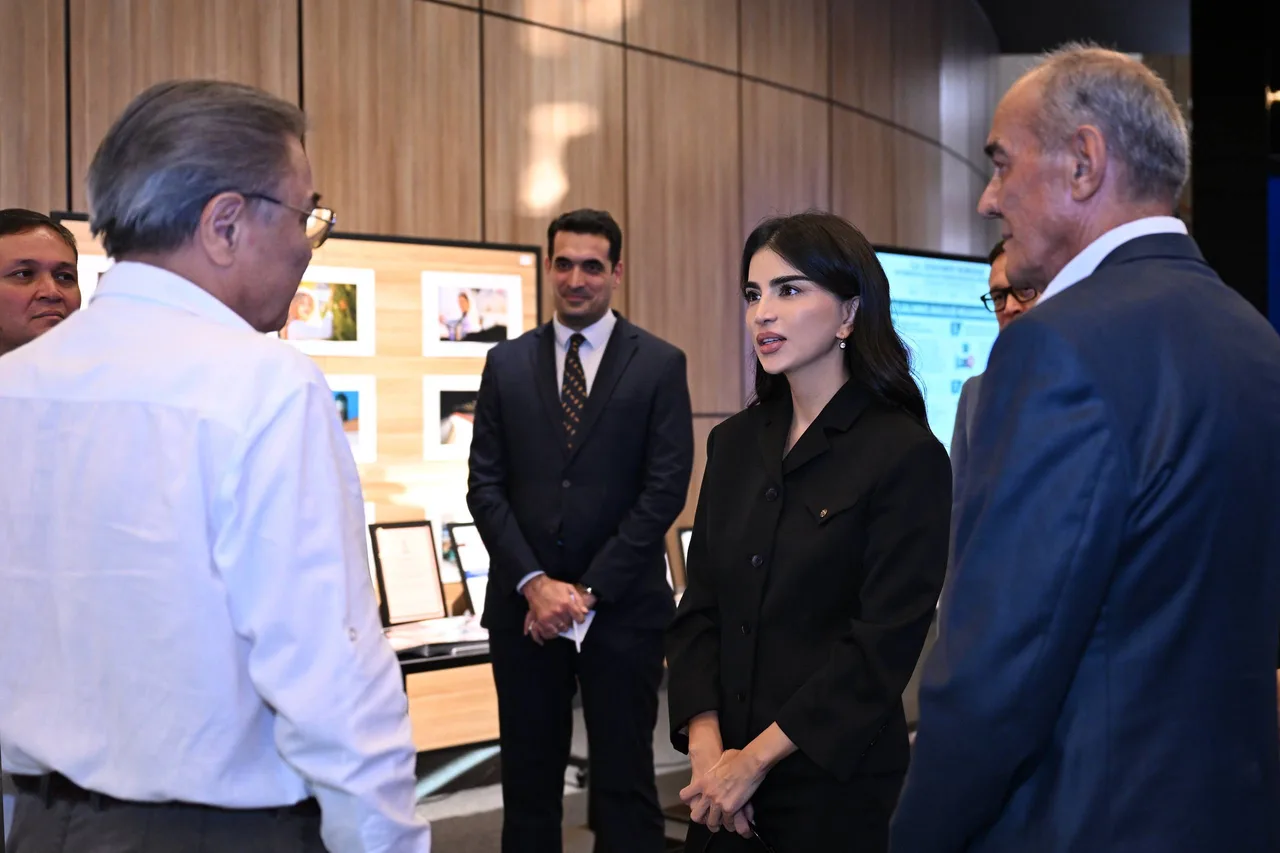
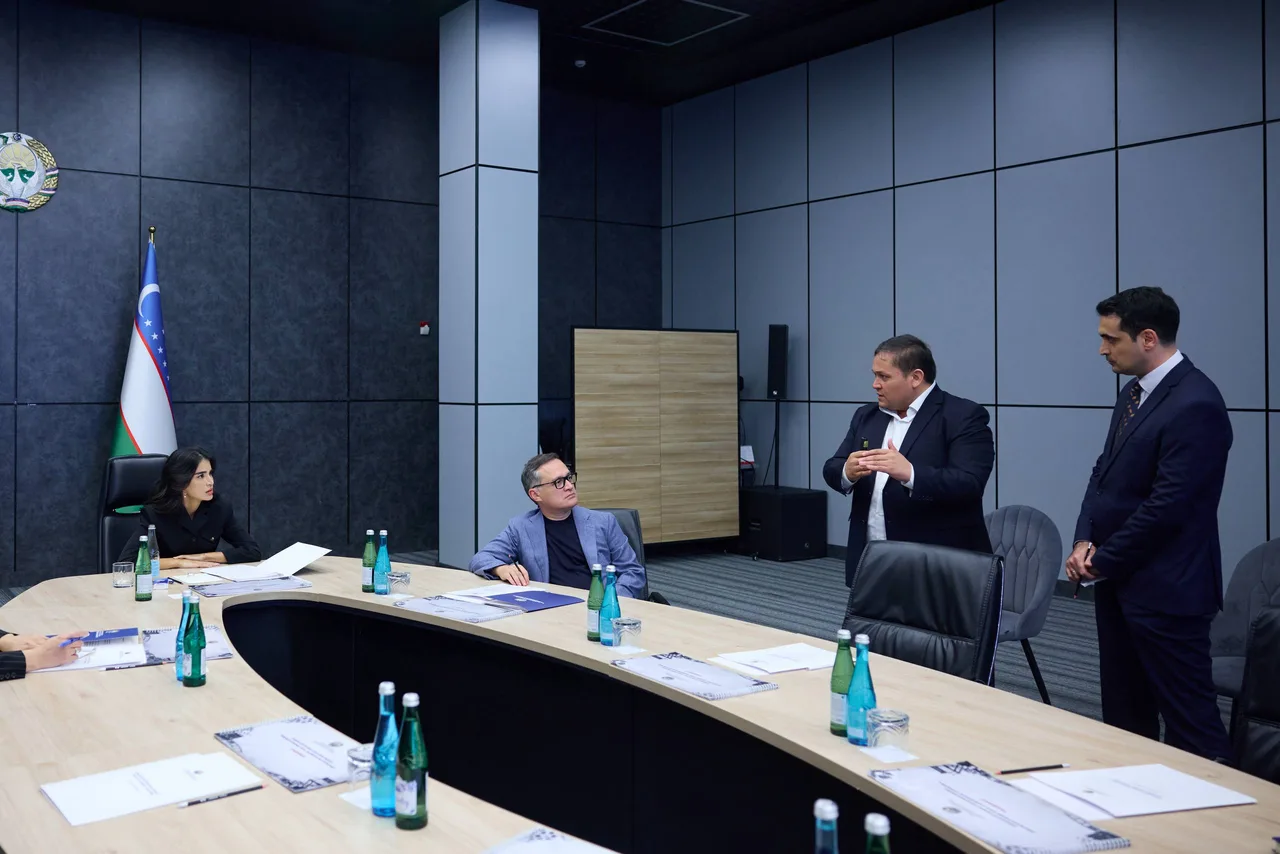
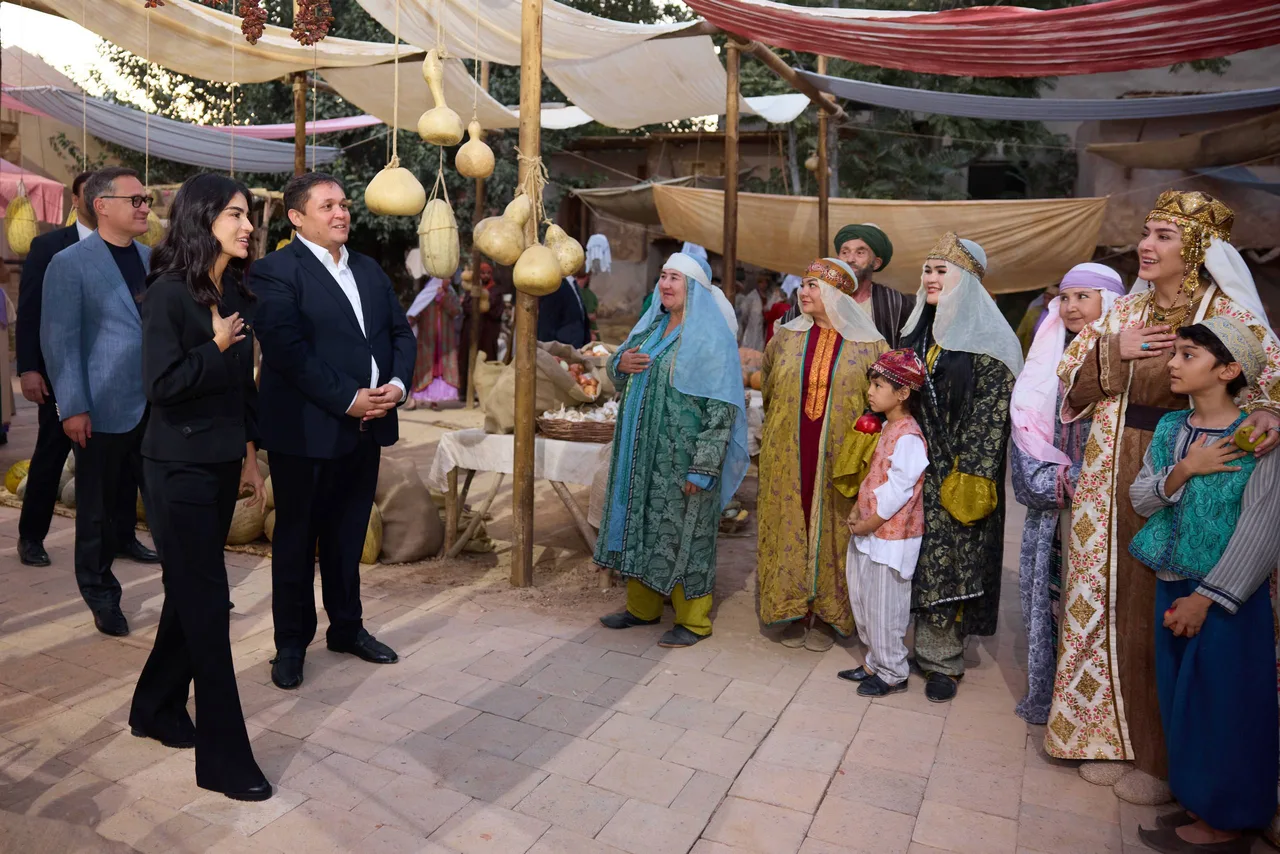
The most fundamental news is that the philosophy of administrative governance in national cinema is changing by 180 degrees: from now on, the state will act not as a "client" or censor interfering in the creative process, but as a strategic partner financially supporting the industry. During the visit, the pavilions of a new historical film about the childhood of the great scholar Abu Ali ibn Sina (Avicenna) were inspected, and important plans were outlined with the studio's new generation of creators.
So, how will the state's withdrawal from creative control affect the artistic quality and international market standing of Uzbek films, what privileges will independent producers receive, and when is the premiere of the blockbuster about Avicenna expected?
«Creative freedom, modernization of the entire chain, and Avicenna»: 5 Pillars of Cinema Reform
Key decisions and facts outlined during the visit to the «Uzbekfilm» film studio:
Fundamental shift in the state's role: The state is abandoning direct commands regarding film content and artistic decisions, transforming into an infrastructure builder and financial strategic partner;
The private sector as the main driving force: Independent film studios, free producers, and authors are granted absolute initiative in developing the industry;
Renewal of the entire film chain: Financing, distribution, theatrical screening, participation in international festivals, and the export system are being rebuilt based on modern marketing standards;
Golden Fund and digitalization: The system of preserving national cinematic heritage, restoring masterworks, and fully transferring them to high-quality digital format is being strengthened;
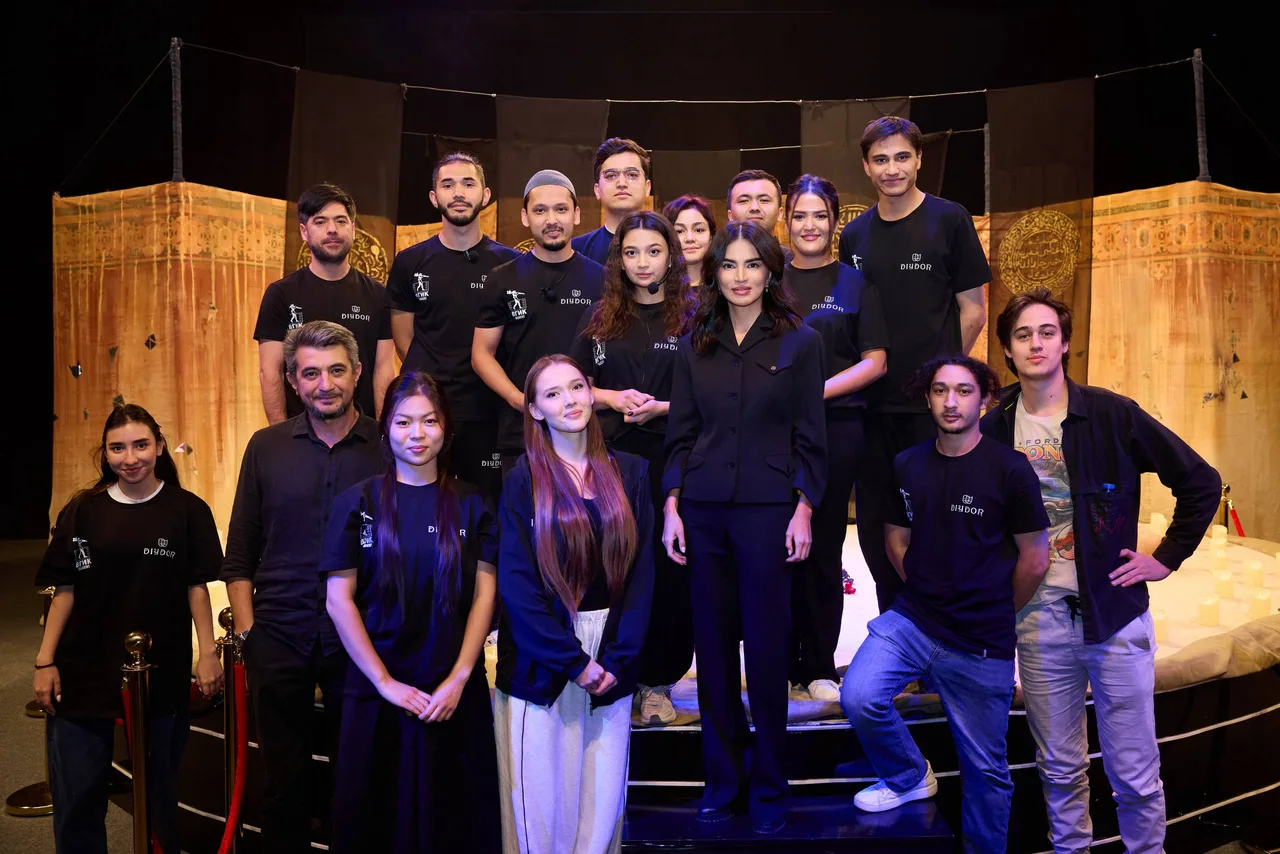
Historical project about Avicenna's childhood: Filming of a major feature about the youth of Abu Ali ibn Sina is actively underway at the film studio; the grand decorations and the work of the actors were highly praised.
Uzbek Cinema Industry: Comparison of Old Management Models and New Reforms
Yesterday's and today's strategic approaches of national cinematography:
Criteria and Directions | Old Management System | Newly Announced Model |
State Position | Strict customer and censorship-driven controller interfering in creativity | Strategic financial partner and condition creator |
Main Creative Force | Exclusively state-dependent structures | Private studios, independent producers, and authors |
Market and Distribution System | Administrative distribution and local restrictions | International export, free distribution, and festivals |
Professional Environment | Command-administrative style and restricted copyright | Culture of self-governance, valuing the creator's opinion |
Attention to Historical Heritage | Limited to usage | Full restoration and digitalization of archives |
Culture and Cinema Expertise: What does creative freedom give to Uzbek cinema?
Conclusions of film critics, independent directors, and industry analysts:
Getting rid of censorship and templates: "Molded" films shot on state orders usually fail to attract audiences to theaters; creative freedom paves the way for genuine, lively, and audience-appealing storylines;
Formation of a producer school: The emergence of producers who understand cinema as a business ensures the efficient spending of funds and the box-office success of films;
Entering the international arena (Cannes, Venice, Berlin): The modernization of export and distribution creates a foundation for Uzbek filmmakers to worthily participate in prestigious international festivals;
Interpretation of historical figures: The filming of a feature dedicated to the childhood of Abu Ali ibn Sina is expected to be a quality artistic model that inspires national pride and interest in science among the younger generation.
The management changes initiated at «Uzbekfilm» and the high regard given to the personality of the creator raise hopes for the beginning of a new "golden age" of national cinema.

In your opinion, how will the state's non-interference in the creative process of films motivate an increase in our national cinematic achievements? What kind of modern works (historical, social, or dramatic) are you primarily expecting from «Uzbekfilm»? Leave your personal thoughts and comments in the discussion section and share this good news regarding the fate of our national cinema with all movie enthusiasts and creators!



Comments 0
…