


Sanctions blow: National Bank of Kyrgyzstan removes «Zolotaya Korona» from its register
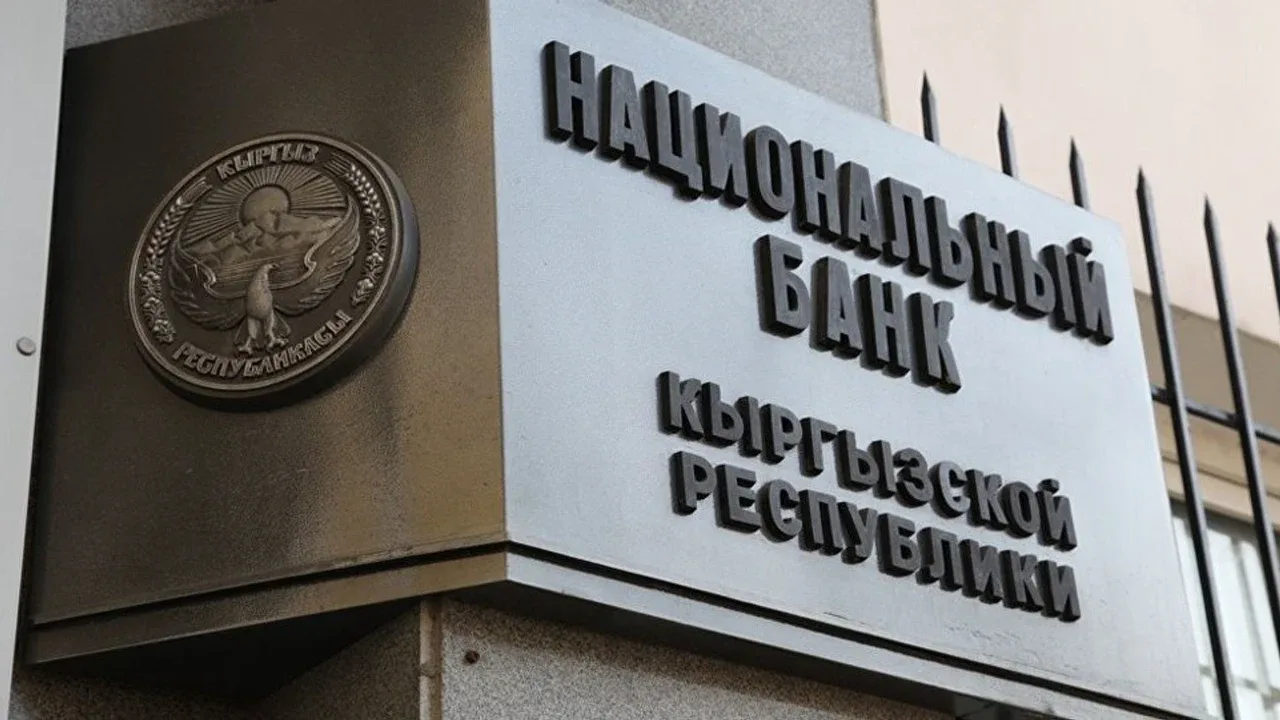
The situation surrounding money transfers and international payment systems in the Central Asian banking and financial market has become even more tense under new geopolitical restrictions. Based on official information distributed by economist.kg, the National Bank of the Kyrgyz Republic announced that it has officially removed «Zolotaya Korona» from the international register of electronic money systems and revoked its registration certificate. The regulator noted that this decision was directly based on an application submitted by the Novosibirsk-based operator — RNKO «Payment Center».
It is worth noting that «Zolotaya Korona» had been operating in the neighboring country's register since June 30, 2016, meaning for more than 10 years. However, just two months after the «Payment Center» was directly blacklisted on July 23 of this year as part of the European Union's 21st sanctions package against Russia, this financial structure was forced to leave Kyrgyzstan.
So, how will the removal of «Zolotaya Korona» from the register in Kyrgyzstan affect millions of labor migrants and remittances, will the threat of secondary sanctions force other Central Asian banks to take similar steps, and what alternative ways to send money remain now?
«10 years of operation and sanctions pressure»: Key details of the decision
Important points of the National Bank of Kyrgyzstan's decision and the financial process:
Official removal from the register: The National Bank of Kyrgyzstan completely revoked the status of «Zolotaya Korona» as an international electronic money system;
Application submitted by the operator itself: The deregistration process was formalized based on an official application submitted by the operator, RNKO «Payment Center» (LLC, Novosibirsk);
10-year history: The system was entered into the official register of Kyrgyzstan on June 30, 2016, and for many years served as one of the most active money transfer channels;
Impact of the EU's 21st sanctions package: After the European Union introduced restrictions against the operator on July 23, 2026, the legal operations of the system in the region changed within two months;
Risk of secondary sanctions: Commercial banks and the regulator in Kyrgyzstan are keeping their distance from sanctioned operators in order to avoid being cut off from international payment networks (SWIFT, Visa, Mastercard).
Operations of «Zolotaya Korona» in Kyrgyzstan: Analysis of changes
Key indicators of the system's status and the restrictions that occurred:
Criteria and parameters | Previous status (2016–2026) | After the new decision (September 2026) |
Legal status | In the register of international electronic money systems | Removed from register, registration revoked |
System operator | RNKO «Payment Center» (Novosibirsk, RF) | Included in the EU's 21st sanctions package |
Date of registration | June 30, 2016 (over 10 years) | Suspended at the operator's own request |
Risk for banks | Low (Open transactions) | High risk of falling under secondary international sanctions |
Money transfer route | Direct official channels | Transition to alternative national and banking applications |
Banking and financial expertise: What do these restrictions mean for the region and migrants?
Key conclusions of international economists and banking analysts:
Necessity to avoid secondary sanctions: The banking system of Kyrgyzstan is walking a «fine line» to maintain ties with Russia while avoiding falling under restrictions of the Western financial system; the continued presence in the register of a legal entity hit by the EU's 21st sanctions package would pose a serious risk;
Warning signal for Uzbekistan and the region: The successive inclusion of major payment operators in Russia on sanctions lists prompts banks in Uzbekistan and Tajikistan to also reconsider the security of their payment gateways;
Alternatives for migrants' money: Restrictions on «Zolotaya Korona» force people to switch to direct card-to-card transfers of national payment systems (for example, direct transfers via local banking applications);
Risk of payment commissions and the shadow market: As official and cheap systems decrease, transaction costs (commissions) may increase, and the activity of informal intermediaries delivering cash «hand-to-hand» may rise.
This decision by the National Bank of Kyrgyzstan once again proved how deeply geopolitical restrictions are affecting Central Asia's daily financial life and cross-border settlements.
In your opinion, will the restrictions on «Zolotaya Korona» further complicate money transfers between Russia and Central Asia? Which apps and methods are you currently using to send or receive money from abroad? Leave your personal experiences and analyses in the comments and share this financial news, which is important for all labor migrants and banking professionals, with your loved ones!



Comments 0
…