


Rickshaws banned in Herat, thousands of drivers unemployed
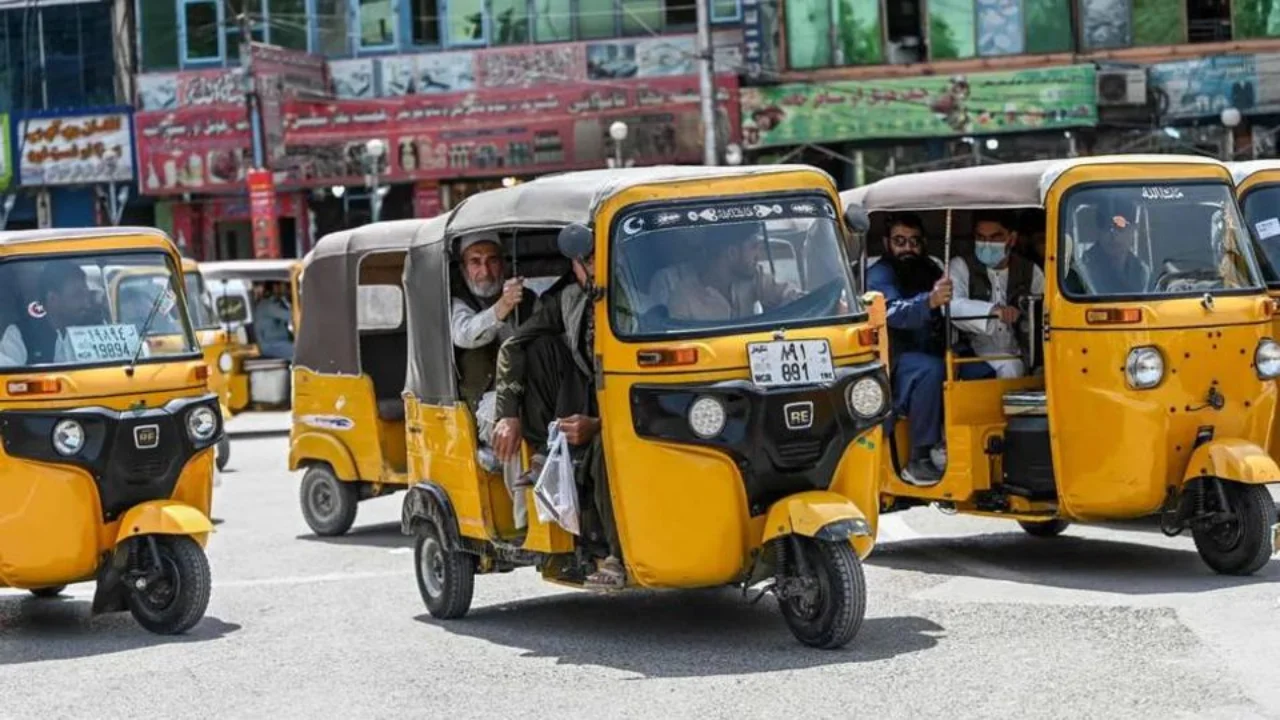
The Taliban administration in Herat, Afghanistan, has intensified a ban on three-wheeled rickshaws, leading to the widespread seizure of vehicles and leaving an estimated 50,000 drivers without a source of income. This crackdown has caused the market value of rickshaws to plummet by more than half, leaving many who invested their life savings or took out loans in severe financial distress. Affected drivers are now urging authorities to reconsider the restrictions, warning that the lack of alternative employment has left thousands of families unable to afford basic necessities like food and rent.
Restrictions imposed by the 'Taliban' on the movement of three-wheeled vehicles — rickshaws — in Afghanistan's Herat city are causing serious social problems, Amu TV reported.
According to information, although the ban was introduced four months ago, controls have been sharply intensified recently. Traffic safety service employees are stopping dozens of rickshaws daily and taking them to impound lots.
Initially, the entry of these vehicles into the city center was restricted. However, this decision caused dissatisfaction among drivers. Currently, the situation has worsened, and drivers are reportedly being regularly fined.
According to initial estimates, nearly 50,000 people may have been deprived of their source of income as a result of the restrictions. However, these figures have not yet been confirmed by independent sources.
Drivers say that many spent all their savings to buy a rickshaw. Now, finding new work has become very difficult for them.
'I don't have the money to start working. I used to support my family by driving a rickshaw. Now I don't know what to do,' says local driver Zmaray.
As a result of the ban, the price of rickshaws in the market has also sharply decreased. Vehicles previously valued at around 160,000 Afghanis have now become cheaper, selling for 50,000–80,000 Afghanis.
According to another driver, Mirvays, he bought a rickshaw on an installment plan but was forced to sell it at a low price when work stopped. He even had to leave his residence because he couldn't pay the rent.
Local sources report that some confiscated rickshaws are being returned to their owners in exchange for certain payments. However, the lack of transparency in this process further increases drivers' dissatisfaction.
Currently, drivers are demanding that the 'Taliban' administration reconsider these restrictions, as this decision has deprived many families of their main source of income in a situation with few job opportunities.


Comments 0
…