


What happens if the gallbladder does not function properly: symptoms and what to look out for?
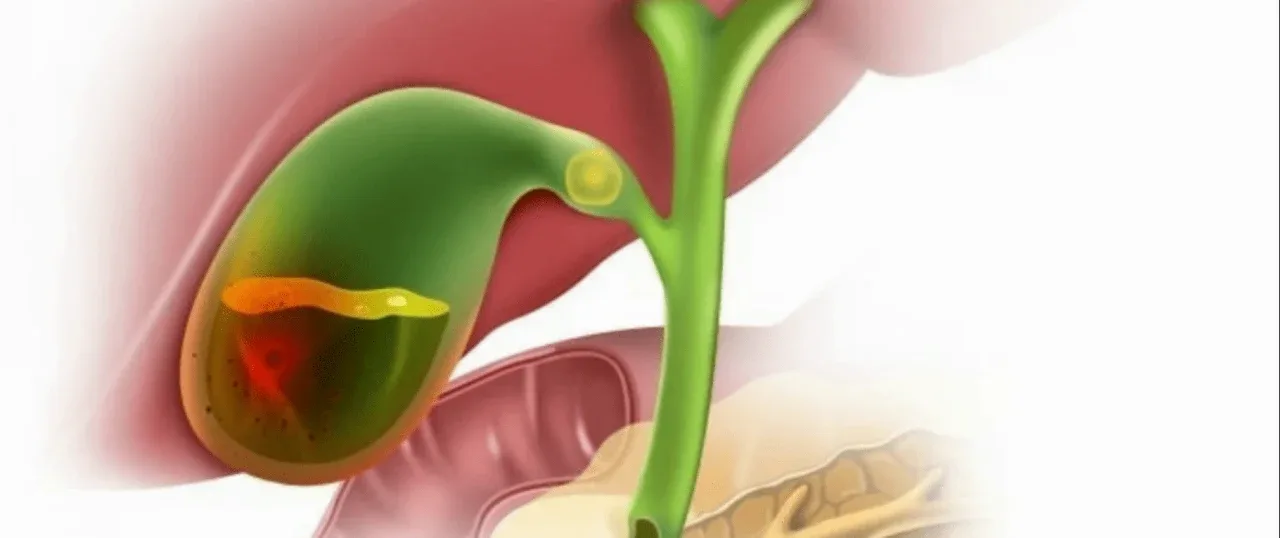
Many people think of the gallbladder as a "secondary" organ in the body. In fact, it plays an important role in the digestive process: it stores bile produced by the liver and releases it into the intestine during meals, helping specifically with the digestion of fats.
When a problem arises in the gallbladder, a person may experience symptoms such as pain in the upper right part of the abdomen, nausea, and vomiting. In some cases, the disease may not show any symptoms for a long time.
Most importantly, the belief that any problem with the gallbladder can be treated at home is incorrect. Especially if gallstones block the bile ducts, serious complications can develop.
What does the gallbladder actually do?
The gallbladder is a small, pear-shaped organ located under the liver.
The liver constantly produces bile. The gallbladder temporarily stores this fluid. When food, especially fatty food, is consumed, the body releases bile into the duodenum to facilitate digestion.
Bile contains substances such as cholesterol, bile salts, and bilirubin. It reaches the intestine through the bile ducts and participates in the digestive process.
Therefore, simply put, the function of the gallbladder can be understood as storing, accumulating, and releasing bile into the intestine when needed.
What symptoms appear if the gallbladder does not function well?
Problems in the gallbladder do not always manifest in the same way.
When gallstones block the bile duct, one of the most characteristic symptoms is pain in the upper right part of the abdomen. Such pain can sometimes last for several hours and often occurs after a heavy meal.
The following symptoms may also occur:
pain in the upper right abdomen;
nausea;
vomiting;
discomfort after eating;
fever in some cases;
yellowing of the skin and the whites of the eyes.
However, these symptoms alone do not necessarily mean "the gallbladder is definitely diseased." For example, abdominal pain can also be associated with gastrointestinal diseases, pancreatitis, or other conditions. Therefore, a medical examination and check-up are necessary for an accurate diagnosis.
How do gallstones form?
One of the most common problems associated with the gallbladder is gallstones.
They can form when the balance of certain substances in the bile changes. For example, an increase in the amount of cholesterol or bilirubin in the bile, or insufficient bile salts, can lead to the formation of stones. The risk of stone formation may also increase if the gallbladder does not empty completely or frequently enough.
Interestingly, many people have gallstones without experiencing any symptoms. Such stones are called "silent" stones, and if they do not cause symptoms, special treatment is usually not required.
What complications can gallbladder diseases lead to?
The problem may not be limited to stones.
If a stone blocks the bile duct, inflammation of the gallbladder can occur. Obstruction of the bile ducts can also lead to complications related to infection, the liver, or the pancreas.
In particular, if a gallstone blocks the pancreatic duct, gallstone pancreatitis can develop.
For this reason, it is not correct to think that "if the pain goes away, the disease has disappeared." The obstruction in the bile duct may temporarily resolve and then recur.
Do joint cracks also come from the gallbladder?
A common misconception needs to be clarified here.
Joint cracking is not a specific symptom of gallbladder disease.
The sound produced in a joint can have various causes, and it is medically incorrect to associate it solely with the gallbladder.
Likewise, many other general symptoms cannot automatically be assessed as "the gallbladder is not working well."
If a person simultaneously experiences abdominal pain, digestive problems, and joint changes, the cause of each symptom must be determined separately.
How to protect the gallbladder at home?
At home, rather than dissolving gallstones or treating the disease independently, we can talk about healthy eating and reducing risk factors.
Experts recommend consuming more fiber-rich foods—vegetables, fruits, legumes, and whole grains—to reduce the risk of gallstones.
At the same time, it is recommended to avoid excessive consumption of refined carbohydrates and added sugars, prioritize healthy fats, and limit unhealthy fats, including heavily fried foods.
Strict dieting can also be harmful
Switching to a very drastic diet to lose weight or losing a large amount of weight in a short period of time can also increase the risk of gallstones.
Therefore, it is important to avoid crash diets aimed at "losing weight quickly in a few days." According to NIDDK, losing weight slowly and steadily can help lower the risk of gallstones.
What about lemon, olive oil, or "gallbladder cleanse" methods?
Various recipes aimed at "cleansing" the gallbladder, expelling or dissolving stones at home can be found on the internet.
Such methods cannot be accepted as a medical cure for gallstones.
If a gallstone causes symptoms, a medical examination is required to determine its location and complications. Ultrasound is considered one of the main methods for detecting gallstones; blood tests and other examinations are also performed as necessary.
What can be done at home?
If a person has been previously diagnosed with gallbladder disease, the following general measures may be useful in daily life:
1. Regulating diet.
If very fatty and fried foods worsen symptoms, they should be limited.
2. Increasing fiber-rich foods.
Vegetables, fruits, legumes, and whole grains can be part of a healthy diet.
3. Avoiding crash diets.
Losing weight too quickly can increase the risk of gallstones.
4. Exercising regularly.
Physical activity helps maintain general health and a healthy weight.
5. Not taking medications arbitrarily.
Medications used to dissolve gallstones are prescribed by a doctor in certain special cases and do not affect all stones equally.
When to see a doctor immediately?
If the abdominal pain is severe or lasts for several hours, one should not wait it out at home.
In particular, the following symptoms can be dangerous:
severe or prolonged abdominal pain;
repeated vomiting;
fever or chills;
yellowing of the skin or whites of the eyes;
abdominal pain radiating to the back.
Such symptoms may indicate a serious problem in the bile ducts, gallbladder, or pancreas.
Can a person live if the gallbladder is removed?
Yes. Although the gallbladder performs an important function for the body, it is not an absolutely vital organ for life.
In necessary cases, doctors perform a cholecystectomy — the removal of the gallbladder. After the operation, the liver continues to produce bile, except that the bile now flows directly from the liver into the intestine instead of being stored in the gallbladder.
Therefore, the view that "if the gallbladder is removed, a person cannot live a normal life" is also incorrect.
Most importantly — do not ignore symptoms related to the gallbladder
Despite being a small organ, the gallbladder plays an important role in the digestive process. Stones may form in it, but the stones themselves do not always cause disease symptoms.
Trouble can begin when a stone blocks the bile ducts. In such a situation, symptoms such as pain, nausea, vomiting, fever, or jaundice are likely to appear. In some cases, serious complications develop.
Therefore, rather than "cleansing" the gallbladder at home, eating properly, avoiding crash diets, maintaining a healthy weight, and consulting a doctor when suspicious symptoms appear is a much safer approach.
Especially if severe pain in the upper right abdomen, fever, vomiting, or jaundice occurs, medical assistance should be sought without attempting home treatment.



Comments 0
…