


What is known about human cloning? Expert opinion... (video)
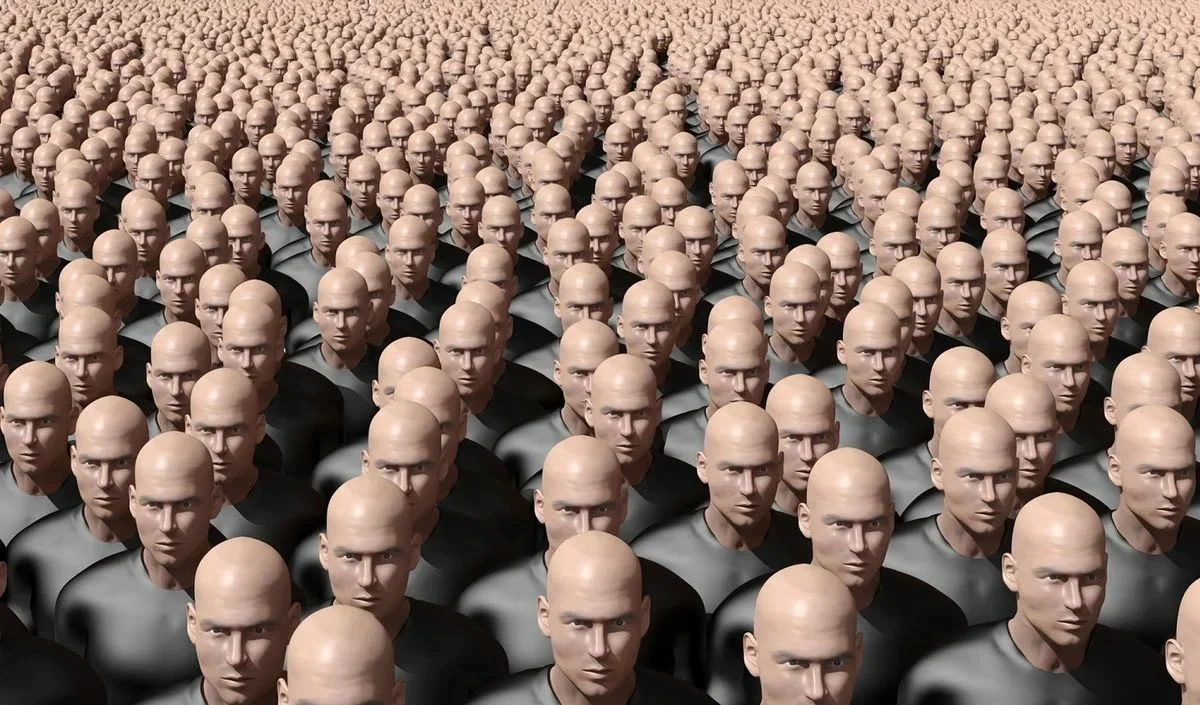
Questions surrounding human cloning have sparked global debates for many years. From the perspective of biology and ethics, this topic has turned into a realm of interest and speculation. This article delves into the current state of human cloning and scientific advancements, while also discussing the ethical implications of the procedure.
Scientific Breakthroughs in Animal Cloning
In 1996, a team led by Dr. Ian Wilmut successfully cloned a sheep. Dolly the sheep, the world's first cloned animal, represented a revolutionary event in the field of biology. This achievement was the first step toward establishing the scientific basis for human cloning. Since then, cloning technologies have progressed further, but human cloning has yet to be implemented in practice.
Ethical Dilemmas of Human Cloning
Human cloning, on one hand, may open new opportunities in biology and medicine, but from an ethical standpoint, it remains a highly complex and contentious issue. The ethical standards for "cloning" are still subject to intense debate. Experts emphasize that the existence of human clones could pose significant ethical barriers, legal challenges, and social consequences.
These challenges raise the following questions:
- Legal clarity: If a human is cloned, what rights would they have? Issues regarding distinguishing close relationships and protecting individual rights arise.
- Ethical concerns: After human cloning, creating a person and influencing their physical or moral existence may redefine the understanding of human identity.
- Mental health: The mental and psychological state of a cloned individual, their search for self-identity, or their interactions with other clones could lead to profound psychological challenges.
3D Bio-Printing: A New Frontier in Technology
Technological and scientific advancements are paving new pathways for creating human organs with the help of 3D printing technology. This includes 3D bio-printing technology, which, while not replacing cloning, could aid in artificially creating human organs and providing necessary medical solutions. Significant research and development are ongoing in this area.
3D organ printing is not only expected to regenerate human tissues but also to play a crucial role in combating various diseases. Additionally, the primary goal of this technology is to modernize organ regeneration methods and create more beneficial systems compared to the overarching goals of human cloning.
Conclusion: The Future of Human Cloning
Issues related to human cloning continue to provoke significant debates in biology and ethics. While cloning technologies are progressing, numerous questions remain about its potential impact on society, human rights, and psychology. The advancement of 3D bio-printing technology might help alleviate the demand for cloning.
Currently, such developments are being studied not to make definitive decisions but to explore new technologies and opportunities or to build upon practical experience gained.
Is Human Cloning Possible? Has Biology Attempted to Clone Humans?
These questions were discussed on the "Klon" program by Onlinekingmediatv. The program addressed the topic, with experts exchanging views during a roundtable discussion.



Comments 0
…