


Cameras can't recognize you: An 'intelligent' shirt that confuses AI
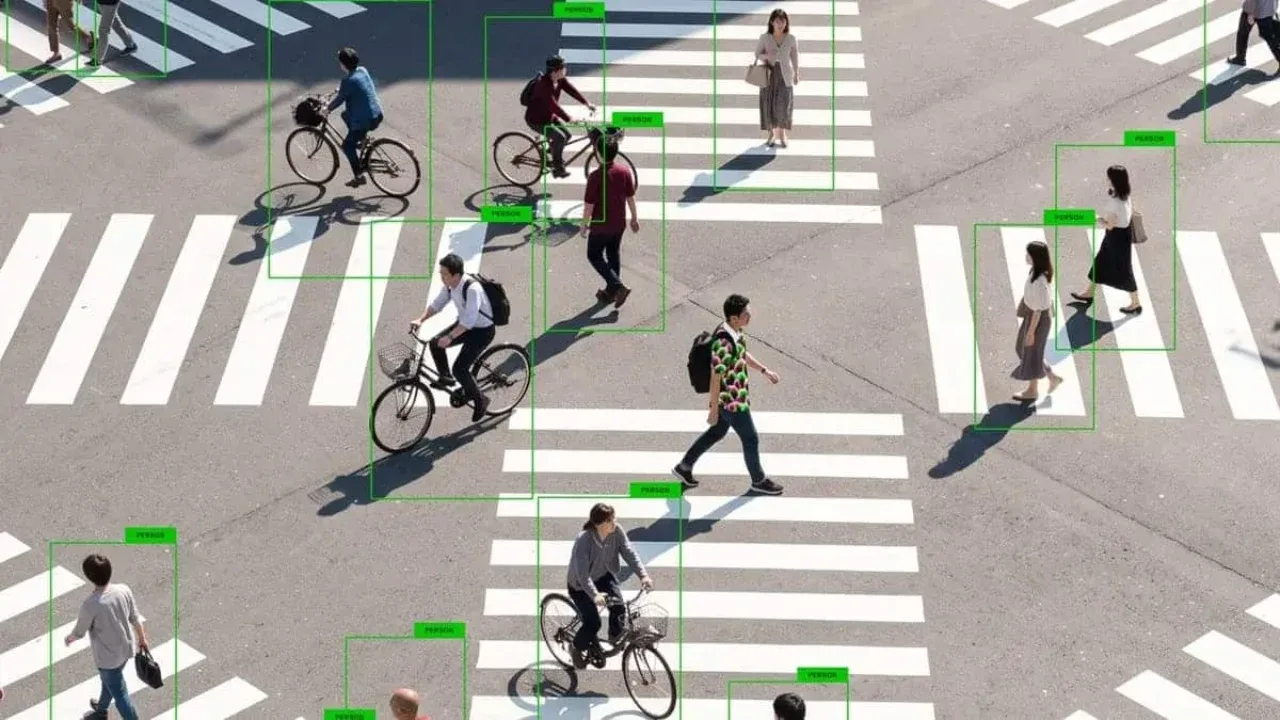
In a modern world where AI-based surveillance systems are rapidly evolving, German designer Simon Weckert has introduced an unusual invention that has stunned the tech world. He has developed a special “digital camouflage” shirt that prevents computer vision algorithms from identifying human figures.
This project was implemented after an AI-based video surveillance system was launched as a trial in Berlin's busy Kottbusser Tor square in August 2026.
The “visual noise” effect: Why do cameras fail to recognize humans?
The special garment makes a person “invisible” and confusing not to the human eye, but specifically to the neural networks behind surveillance cameras:
Weakness of computer vision: AI does not perceive a person as a whole like a human does, but relies on statistical visual markers such as the head, shoulder silhouette, body proportions, and contour integrity;
Synthesis of patterns and colors: The bright color transitions and intersecting geometric shapes on the shirt create strong “visual noise” for the algorithm. As a result, the neural network fails to combine the parts of the image into a single human body, leading to errors;
A simple pattern for humans: To the human eye, it looks like an ordinary textile product with a modern, abstract, and bright design.
A brightly patterned abstract shirt designed to confuse AI-based video surveillance systems and make a person “invisible.” Photo: © Simon Weckert
AI vs. AI: How was the pattern created?
The designer used AI itself as a tool to create this “camouflage”:
“Adversarial cycle” method: Weckert prepared pattern variants using a neural network and tested them repeatedly in object detection systems;
Lowering confidence levels: The design was modified until the algorithm's confidence score, confirming that a human is standing in front of the camera, dropped to the lowest possible point;
Detection threshold: The project does not make a person completely disappear, but serves to drastically reduce the ability of certain algorithms to recognize a human.



Comments 0
…