


Rivian Sued Over False Autopilot Promises
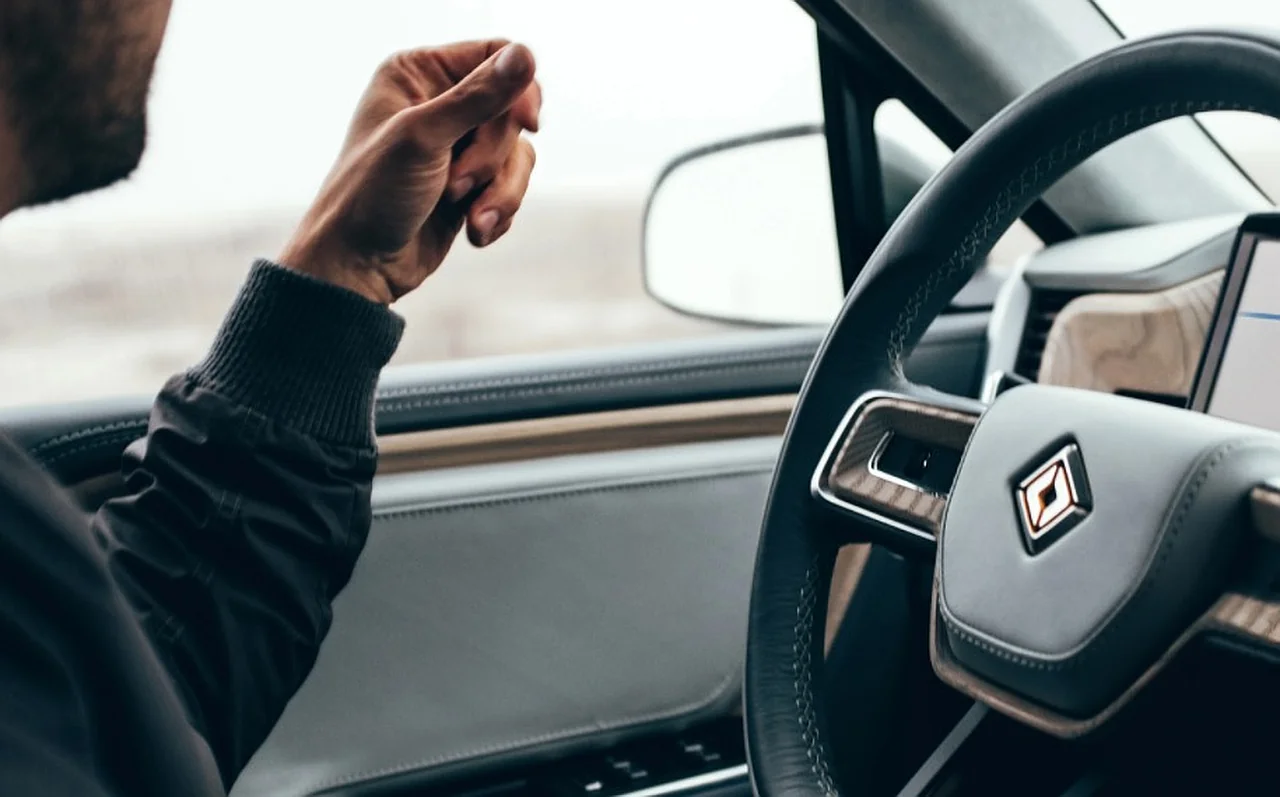
The popular US electric vehicle manufacturer Rivian is accused of providing misleading information about the autonomous driving capabilities of its R1T pickup and R1S SUV models. A class-action lawsuit filed in the California Central District Court alleges that the company misled first-generation vehicle owners and made unattainable promises. This was reported by Techcrunch.com news reports.
Plaintiffs claim that during marketing campaigns conducted over five years, Rivian promised that these flagship models would feature a "hands-off, eyes-off" driving system. In technical terms, this refers to Level 3 autonomy according to the SAE classification. Such a system should fully control steering, acceleration, and braking without the driver's direct involvement under certain conditions, such as on highways.
Unfulfilled Promises and Technical Limitations
According to ixbt.com, the lawsuit states that Rivian's promises to introduce the Driver+ system as a standard feature in every vehicle produced were false. The document asserts that even the most advanced software update cannot provide the promised functions to Gen 1 models because their hardware base is incompatible.Court documents also cite statements made by Rivian CEO RJ Scaringe at the 2022 TechCrunch Disrupt conference as evidence. Plaintiffs claim the company continued to promote these features to attract buyers while knowing that its vehicles could never technically achieve Level 3 autonomy.
Rivian has currently declined to provide an official comment on the matter. Company representatives prefer to remain silent due to the ongoing legal proceedings. The lawsuit was filed by three primary plaintiffs who accuse the company of fraud, negligent misrepresentation, and unjust enrichment, demanding a jury trial.
Second Generation and Previous Legal Battles
Interestingly, in the second-generation models introduced in 2024, Rivian is indeed fundamentally updating the autonomous driving platform. The new system is equipped with 11 cameras, 5 radars, and a computer 10 times more powerful than the previous one. This further strengthens the grievances of first-generation owners, as their vehicles have become obsolete at the hardware level.This is not the first major legal dispute for Rivian. Last year, the company agreed to pay $250 million to settle a class-action lawsuit from shareholders. That conflict arose due to an unexpected sharp increase in vehicle prices in 2022. The new legal process could be another serious blow to the company's reputation and financial standing.
Although Rivian models are not officially sold in the Uzbekistan market, several copies have been brought in via private import. Furthermore, such legal proceedings in the global market serve as an important precedent for regulating the gap between advertising promises and real capabilities in the EV sector.



Comments 0
…