


NASA Launches Rescue Operation for Swift, One of the Oldest Space Telescopes
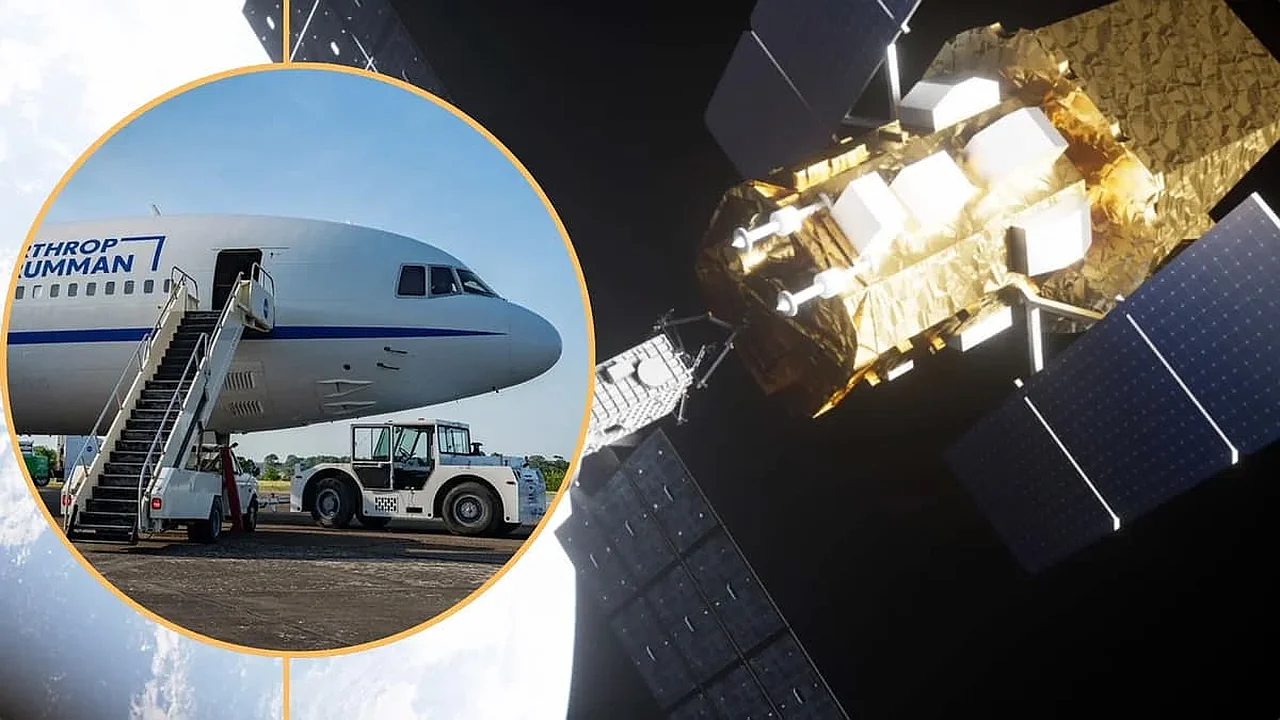
NASA has launched a unique mission to save the Neil Gehrels Swift Observatory, a crucial tool for space exploration, from burning up in Earth's atmosphere. As part of this operation, the Pegasus XL launch vehicle performed its final flight, delivering a specialized LINK device into orbit. This mission is noteworthy not only for its scientific importance but also as the first attempt in history by a private company to move a government satellite to another orbit, according to Ixbt.com reports .
The Swift observatory has been studying gamma-ray bursts and high-energy events in space since 2004. However, over more than twenty years of service, increased solar activity and atmospheric drag have significantly lowered the telescope's orbit. Since the device lacks its own engines, it cannot independently increase its altitude, which posed a risk of it falling to Earth in the coming years.
The rescue LINK device and operation details
According to ixbt.com, the task of saving the telescope has been entrusted to the LINK apparatus developed by Katalyst Space Technologies. According to the plan, LINK will approach the telescope in the coming weeks and inspect it in detail. Then, using three robotic manipulators, it will firmly grasp the Swift observatory. This process is expected to be one of the most complex technical operations in space.Once the capture process is successfully completed, the ion engines on the LINK apparatus will ignite. They will slowly lift both devices together to a safe orbit at an altitude of 600 kilometers. If everything goes as planned, NASA scientists will be able to study the secrets of the universe using the telescope for several more years.
The financial and legal aspects of the mission are also unique. NASA signed a $30 million contract with Katalyst Space Technologies for this project. This indicates that the private sector is boldly entering the market for maintaining and servicing space infrastructure. Previously, such complex tasks were carried out only by government agencies themselves.
The final flight of the Pegasus XL launch vehicle
This launch marked a historic end for the Pegasus XL rocket. Having completed 45 missions over 36 years of operation, this rocket was famous for its unique "air-launch" system. This time as well, an L-1011 Stargazer aircraft carried the rocket into the air over the Marshall Islands and released it at a certain altitude. Then, the rocket's own engines ignited and delivered the payload to orbit.Pegasus XL was found to be the most suitable candidate for the Swift mission precisely because of this feature — the ability to reach orbit from inconvenient points where ground-based cosmodromes could not launch. Now, this legendary rocket completes its mission and takes its place in the history of the space industry. It is expected to be replaced by a new generation of cheaper and more efficient launch vehicles.
In conclusion, if the Swift Boost mission is successful, it will open a new era in restoring "dead" or decaying satellites in space. For space enthusiasts in Uzbekistan, such technological achievements, especially the development of private astronautics, are of great importance in terms of reducing satellite costs and improving service quality in the future.


Comments 0
…