


Towards Europe's Future Energy: A New Project for Fusion Power Plants
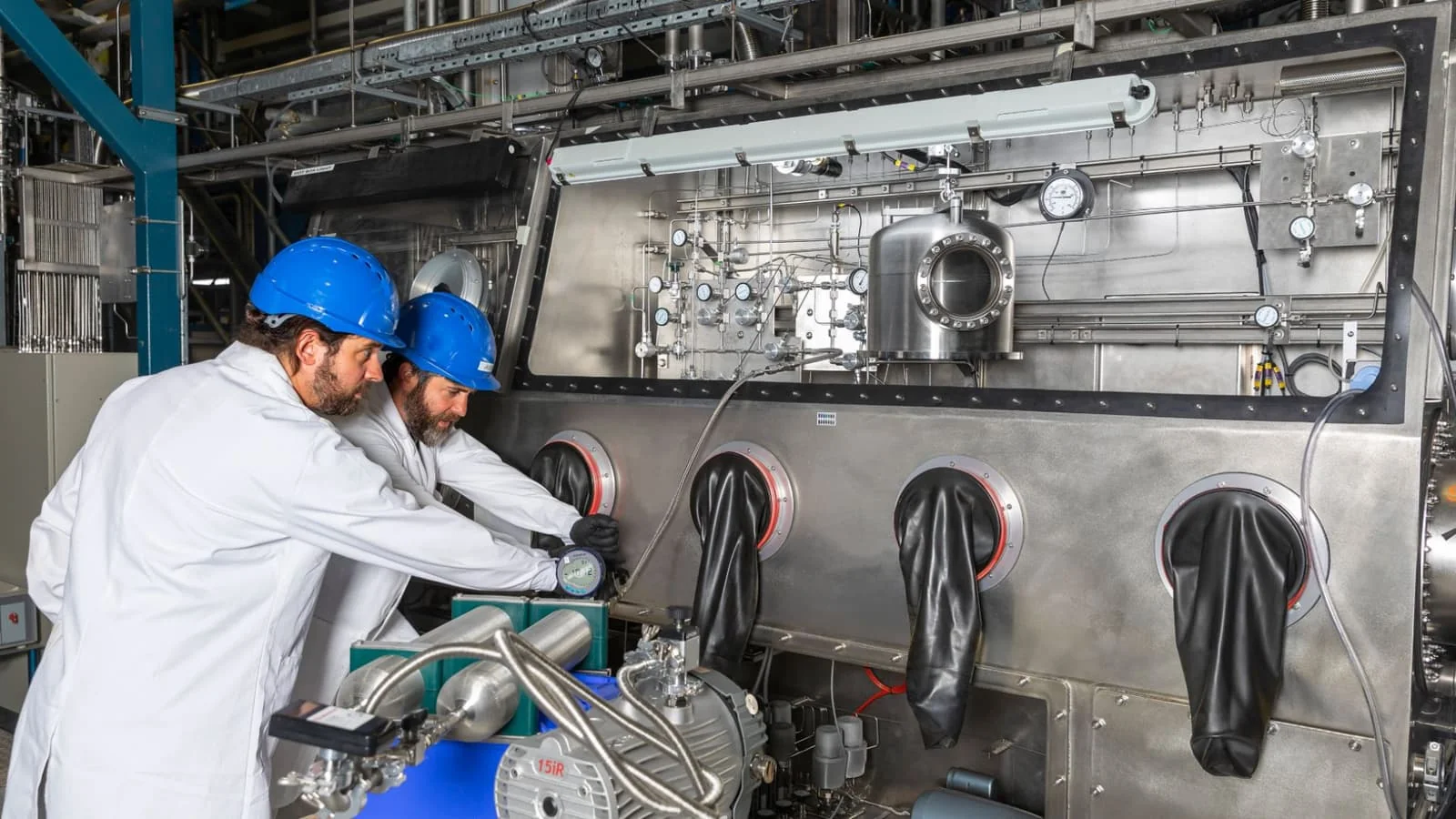
The United Kingdom Atomic Energy Authority (UKAEA) and the Italian energy giant Eni have partnered to establish a joint venture called RH3OVA. This new organization specializes in developing technologies for handling tritium fuel, one of the most complex challenges in fusion energy. This step is aimed at overcoming a critical engineering barrier on the path to building commercial fusion power plants in the future. This is reported by Ixbt.com .
Nuclear fusion is the process that occurs in the sun and is considered a source of infinite and clean energy. However, to replicate this process on Earth, deuterium and tritium isotopes are required. While deuterium can be extracted from seawater, tritium is extremely rare in nature. Therefore, the RH3OVA project aims to create a full cycle for the production, storage, purification, and recycling of tritium.
The Tritium Problem and Engineering Solutions
Future reactors must independently produce tritium during their operation, efficiently separate it from reaction gases, and return it to the fuel cycle. Any loss not only reduces efficiency but also leads to an increase in the cost of the energy produced. Researchers believe that without infrastructure for handling tritium, commercial fusion will remain impossible.RH3OVA plans to make extensive use of digital models based on data from real fusion experiments. With the help of such "digital twins," it becomes possible to model the fuel cycle, identify weak points in the system, and optimize all processes before the construction of the plants.
UKAEA brings over 30 years of experience to this project. The organization has long possessed unique knowledge in handling tritium through the JET experimental fusion reactor. Eni, meanwhile, will apply its expertise in building large industrial facilities and digitizing complex engineering solutions.
This partnership marks a new stage in the relationship between the two organizations. Previously, UKAEA and Eni began the construction of the H3AT Tritium Loop Facility. In this facility, tritium handling technologies are tested under conditions as close as possible to the real operating environments of future reactors.
For rapidly developing countries, such global technological projects are of great importance. In the future transition to "green energy," fusion is expected to be the safest and most stable solution. According to ixbt.com, this project will serve as an important foundation for ensuring Europe's energy independence and fighting global climate change.


Comments 0
…