


SpaceX deorbited 260 Starlink satellites in six months
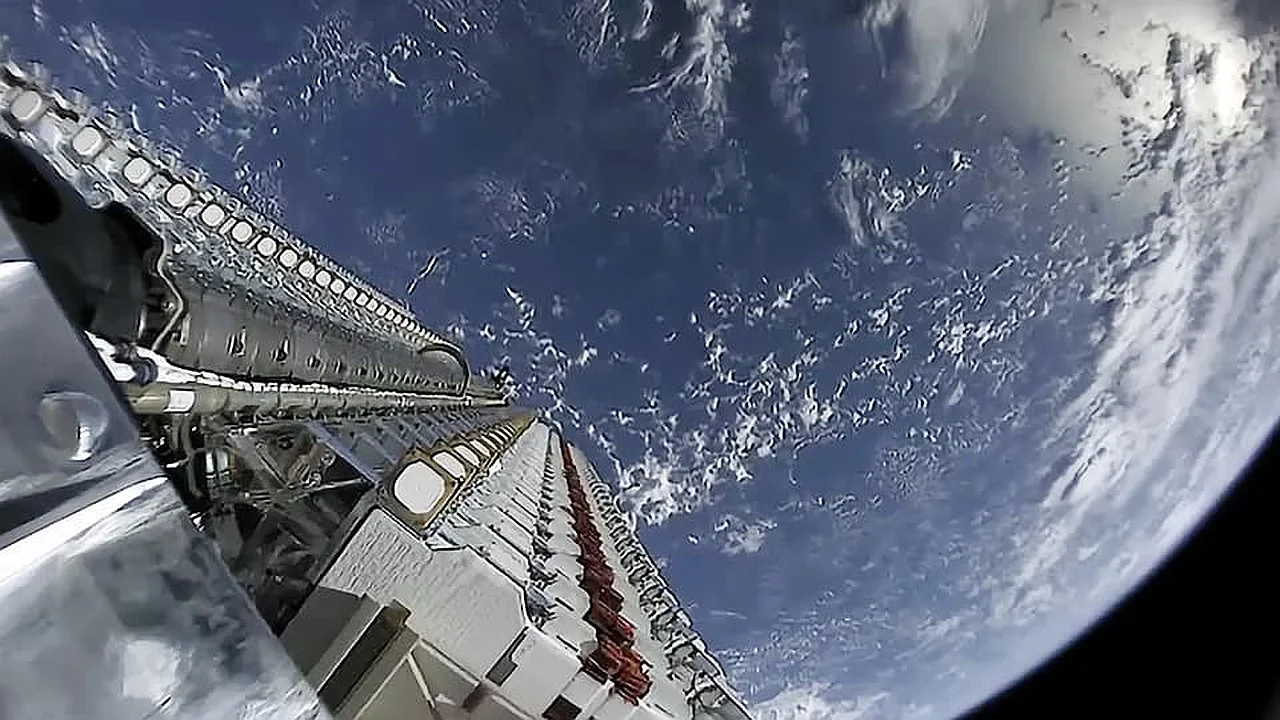
SpaceX, led by Elon Musk, has significantly accelerated the process of upgrading its global satellite network. Over the last six months (from December 2025 to May 2026), the company has systematically deorbited 260 Starlink units. This was reported by ixbt.com, citing a report submitted to the U.S. Federal Communications Commission (FCC). This is reported by reported by.
Currently, the total number of Starlink satellites in space has exceeded 10,000. Of the deorbited units, 176 belonged to the first generation, while the rest were newer second-generation models. SpaceX also announced that another 349 satellites have completed their missions and will soon begin maneuvers to burn up in the atmosphere.
Technological upgrades and safety measures
Starlink satellites are designed for an operational lifespan of approximately 5 years. Once their resources are exhausted, the devices use remaining fuel to lower their orbits and enter the dense layers of Earth's atmosphere. Due to the high temperatures generated by friction, they burn up completely, preventing the accumulation of dangerous space debris.It is worth noting that the new generation of devices is significantly heavier than their predecessors. While the initial Starlink satellites weighed between 260–295 kg, the second-generation units weigh between 800 kg and 1250 kg. This means that more material evaporates in the atmosphere as each device burns up compared to before.
Environmental and legal issues
Scientists are calling for more active research into the consequences of mass satellite incineration in the atmosphere. In particular, debates continue regarding how aluminum oxide and other compounds generated during the combustion process affect the chemical composition of the upper atmosphere. These issues may lead to additional requirements for major operators like SpaceX in the future.The U.S. government is currently considering exempting space missions from the requirements of the National Environmental Policy Act (NEPA). Experts believe that since such activities technically occur outside U.S. territory, there is no need for strict environmental assessment. However, environmentalists emphasize the need to consider the global impact.
SpaceX has not abandoned its ambitious plans. The company aims to increase the number of satellites in orbit to 42,000 in the future. Currently, work is underway not only to launch new units but also to create computing platforms that process data directly in orbit. This opens up new technological opportunities for stable and high-speed internet access in remote areas like Uzbekistan.


Comments 0
…