


SpaceX prepares to launch Starship V3, the largest rocket in human history
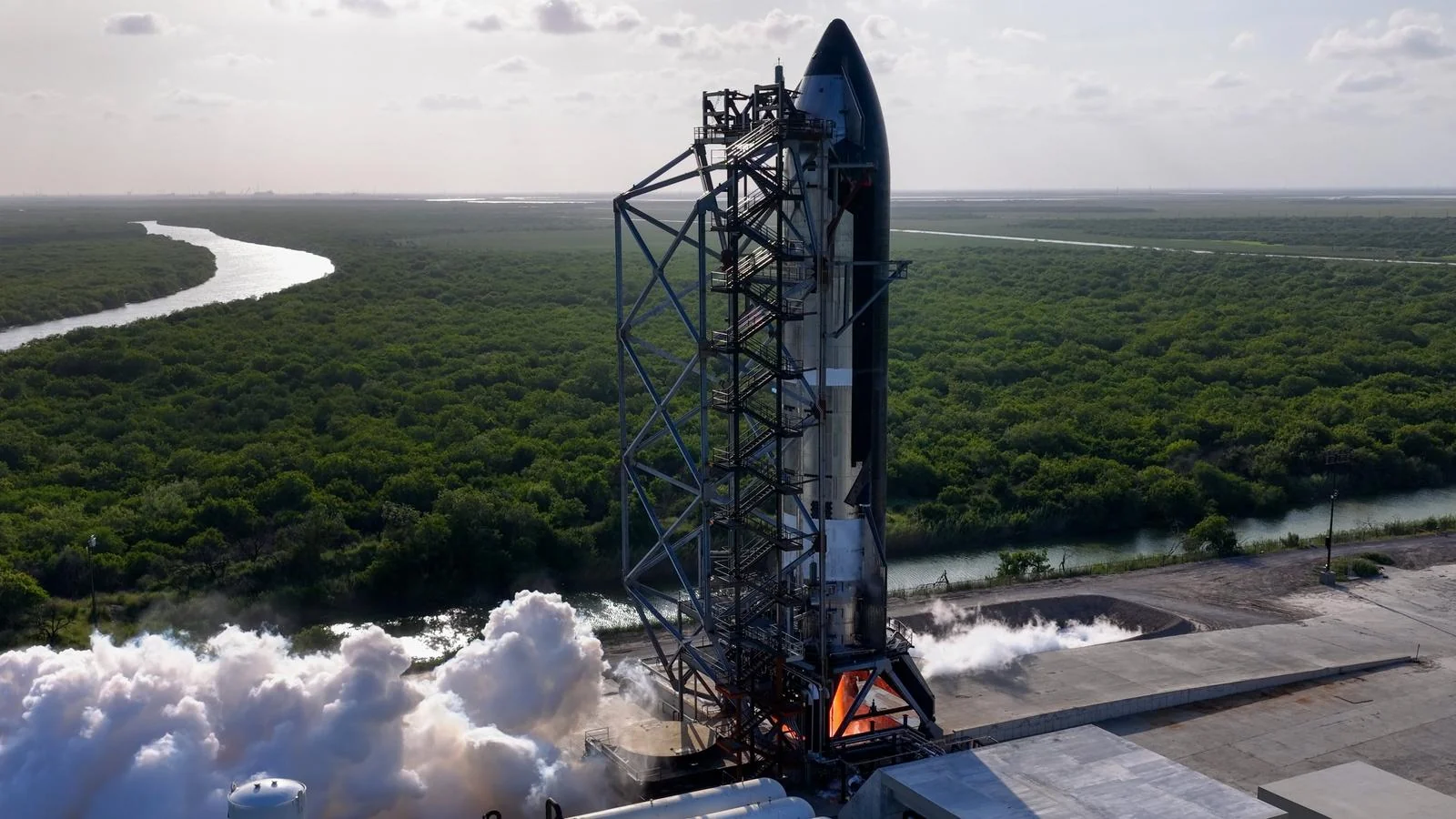
SpaceX, founded by Elon Musk, is on the verge of taking another giant leap in space exploration. Starship V3, the largest and most powerful rocket system ever created, is expected to conduct its 13th test flight on July 16 of this year. This mission could go down in history not only as a technical test but also for carrying the first generation of two-ton Starlink V3 satellites into orbit. This is reported by Ixbt.com reports .
According to ixbt.com, the launch window opens at 17:45 US Central Time. During the mission, which is scheduled to last approximately 90 minutes, Starship will carry 20 new-generation units. After deployment, these satellites must unfurl their solar panels and antennas, then attempt to establish laser communication links with ground stations in South Africa and the existing Starlink constellation.
Technical improvements and engine testing
SpaceX engineers have worked extensively on the flaws identified in the previous 12th test. At that time, five of the 33 engines on the Super Heavy first stage failed during the restart, causing the maneuver to end prematurely. For the new flight, the engine restart system and their operating algorithms have been fully modernized.The upper stage of the rocket has also undergone significant changes. Although one of the Raptor vacuum engines failed in the previous attempt, the ship was able to maintain its trajectory. A key objective of this mission is the successful restart of the Raptor engine in open space conditions. This is a vital technical solution for future complex orbital flights and interplanetary missions.
Thermal protection and safety measures
One of the greatest challenges for Starship is the high temperature during atmospheric re-entry. This time, engineers are using a unique method to check the thermal protection system. Six of the Starlink V3 satellites are equipped with special cameras that will photograph the ship's heat shield during the flight and transmit the data to Earth.Interestingly, some of the thermal protection tiles have been intentionally painted white. This allows engineers to visually simulate tile damage and test diagnostic methods. New tile attachment methods and sensors measuring high aerodynamic loads will also be tested.
According to the plan, the Super Heavy first stage should land in the Gulf of Mexico, while the Starship spacecraft is expected to perform a controlled atmospheric re-entry and splash down in the Indian Ocean. If this test is successful, SpaceX will reach a completely new level in space cargo delivery and Starlink network expansion, which could eventually improve communication quality for regions where global internet coverage is critical.


Comments 0
…