


Scientists discover a biological method to neutralize radioactive uranium
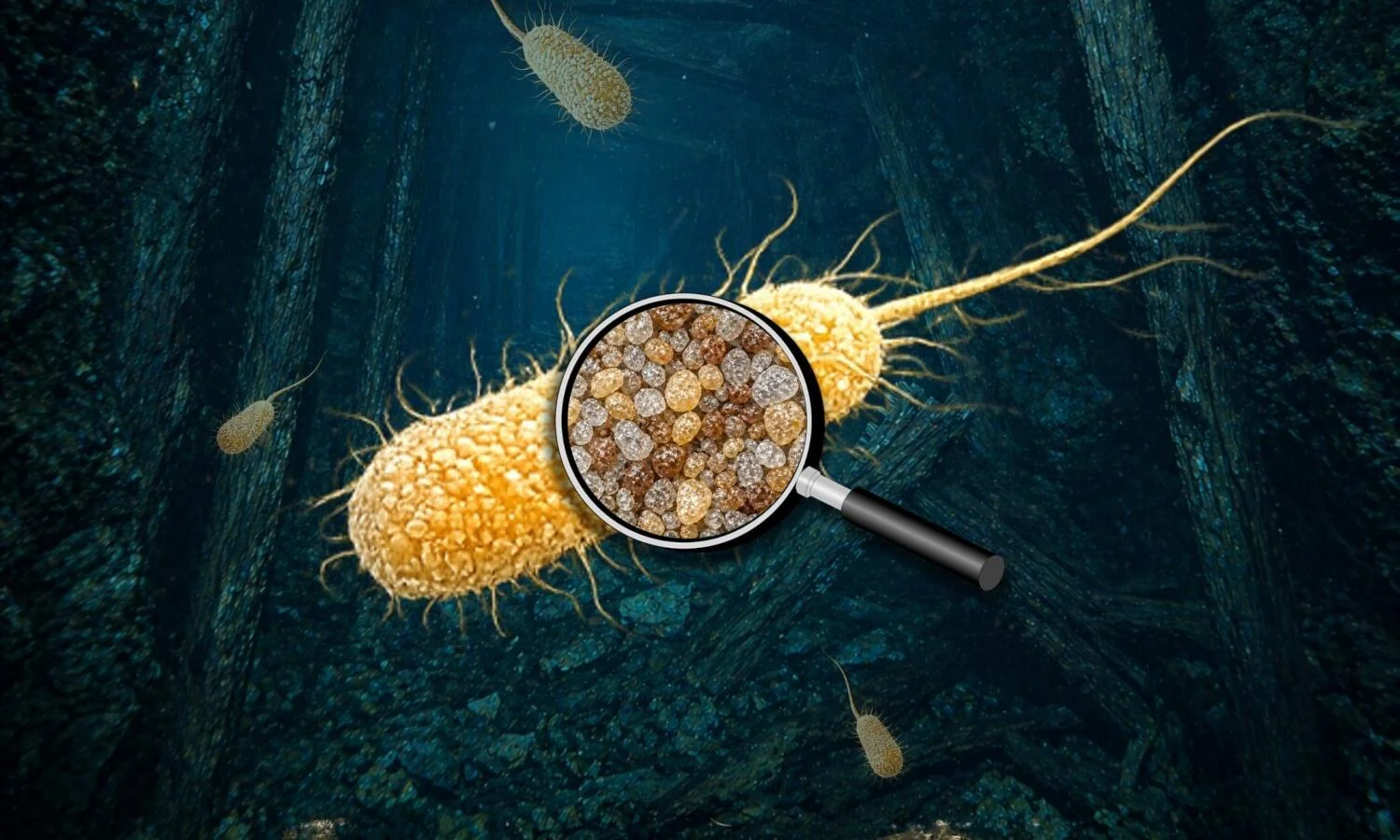
An international group of scientists has made a major breakthrough in microbiology and ecology: it has been proven that bacteria are capable of "neutralizing" uranium dissolved in water by converting it into a stable chemical compound. This discovery paves the way for creating entirely new, safe, and effective biological methods for cleaning up areas contaminated with radioactive elements. This is reported by Ixbt.com reports .
The results of the study, conducted by experts from the Helmholtz-Zentrum Dresden-Rossendorf (HZDR), Wismut GmbH, and the University of Granada, were published by the publication ixbt.com. Samples taken from a flooded uranium mine in the Ore Mountains in Germany were used for the experiment. This environment is considered as close as possible to real-world contaminated groundwater conditions.
The experimental process and surprising results
In laboratory conditions, water samples were placed in an oxygen-free environment, and glycerin was added as an energy source for the bacteria. During vital processes, microorganisms bound the dissolved uranium and began converting it into a less mobile form. The result exceeded expectations: after 130 days, the uranium concentration in the water decreased by 95 percent, meaning only 5 percent of the initial amount remained in the solution.Analyses conducted using modern electron microscopy and the ESRF synchrotron in France showed that a large portion of the uranium accumulated on the bacterial cell walls. Most importantly, scientists identified a pentavalent form of uranium (U(V)), which is considered very rare and unstable in nature. It turns out that bacteria bind uranium with iron and oxygen to form a stable FeU(V)O4 compound.
Significance in solving ecological problems
This compound was previously found only in soils in areas of Croatia where uranium ammunition was used, but its formation mechanism remained a mystery to science. The new study proved for the first time that bacteria play the primary role in this process. Another unexpected aspect is that the resulting compound did not lose its stability even when in contact with oxygen.For regions with a history of uranium mining and problems with radioactive waste sites, such as Uzbekistan, this discovery could have great practical significance. Cleaning groundwater using natural microorganisms is much cheaper and more environmentally safe than traditional chemical methods.
Currently, scientists are working on new biotechnologies to apply this process on a large scale and to treat contaminated soils. If this method is implemented, it will be possible to restore thousands of hectares of radioactively contaminated land around the world.


Comments 0
…