


US nuclear safety regulations to be relaxed: Potential abandonment of the ALARA principle
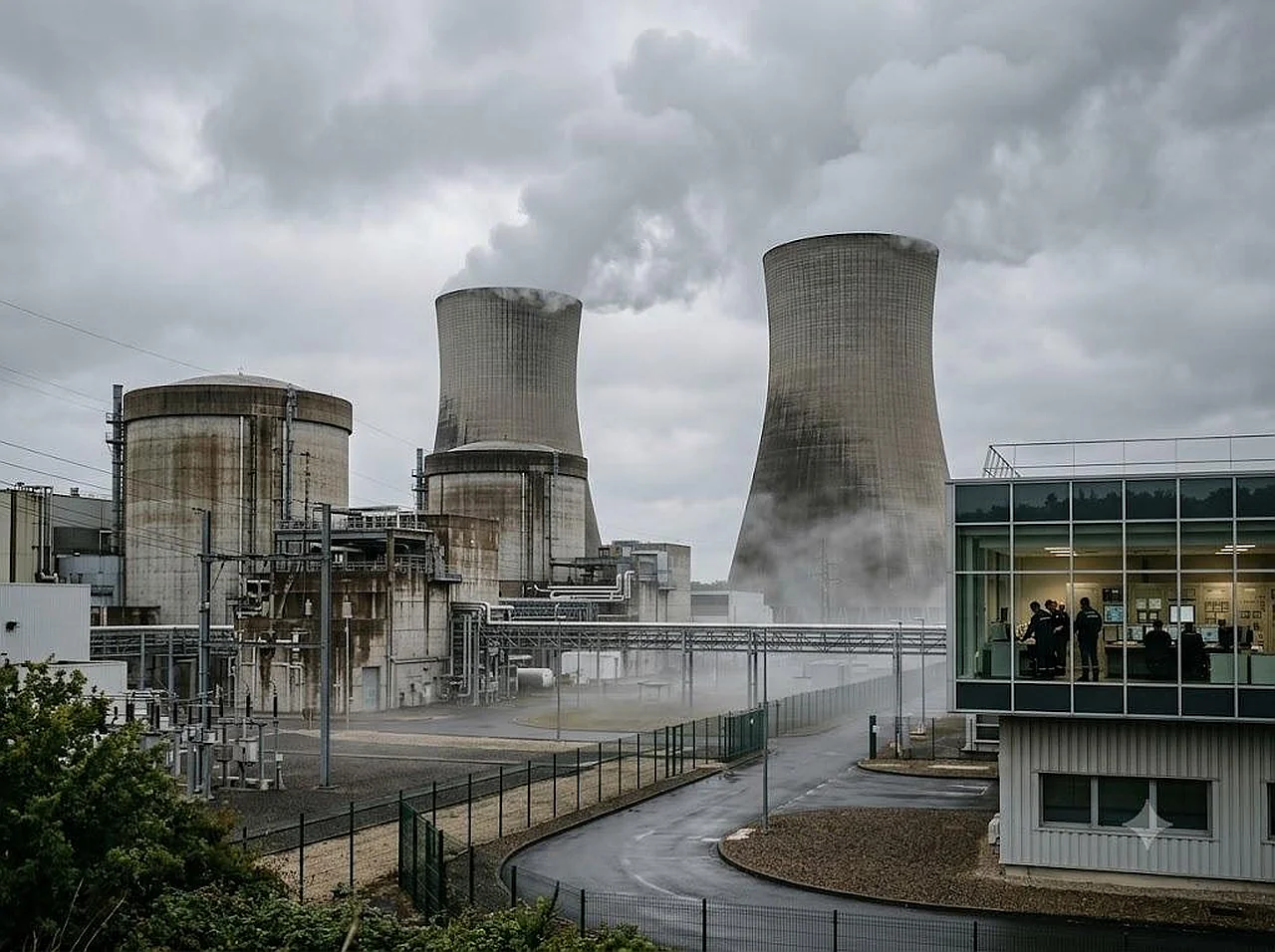
The US Nuclear Regulatory Commission (NRC) has proposed a review of safety standards that have been in place for decades in the nuclear power industry. As part of this initiative, there are plans to abandon the ALARA (as low as reasonably achievable) principle, which aims to keep radiation exposure as low as possible. This change is sparking serious debate among industry experts and environmentalists, as it is considered a fundamental basis for ensuring the safety of nuclear power plants (NPPs). This is reported by Ixbt.com reports .
According to ixbt.com, the NRC explains this decision by a desire to "eliminate unnecessary uncertainties" in the regulatory process. Under current rules, NPP operators were required to take measures to further reduce radiation levels even if they were already below established norms. The new proposal would eliminate this obligation, leaving operators with only the requirement not to exceed the established upper limit.
A threat to safety standards or optimization?
Experts, in particular Edwin Lyman of the Union of Concerned Scientists, warn that such a step could lead to a decline in the quality of nuclear facility management. In his view, the abolition of the ALARA principle could lead to a weakening of the safety culture during operations and increase radiation risks for workers and the public.At the same time, the commission intends to change the implementation procedure for the National Environmental Policy Act (NEPA) adopted in 1970. The proposed innovations involve significantly reducing the scope of environmental reviews conducted before the construction and commissioning of nuclear facilities. This could limit public participation in the discussion of such projects.
Furthermore, the NRC proposes to stop checking factors such as noise, dust, and atmospheric emissions when assessing the environmental impact of nuclear facilities. As reported by The Hill, the new rules are expected to exempt some existing and newly built reactors from part of their routine inspections.
Consequences of energy sector reforms
These changes were announced a few months after the US Department of Energy began reviewing radiation limits for industry personnel. The government presents these steps as part of a strategy to simplify the implementation of nuclear projects and expand nuclear energy in the country. However, critics are concerned that abandoning safety standards for economic interests could lead to serious long-term consequences.These reforms in the field of nuclear regulation cover the following key areas:
- Abolishing the requirement to minimize radiation exposure;
- Accelerating the environmental review process for the construction of new NPPs;
- Excluding secondary factors from environmental impact assessments;
- Easing control procedures for existing reactors.


Comments 0
…