


Neural networks modeled the formation of gold and platinum in the universe
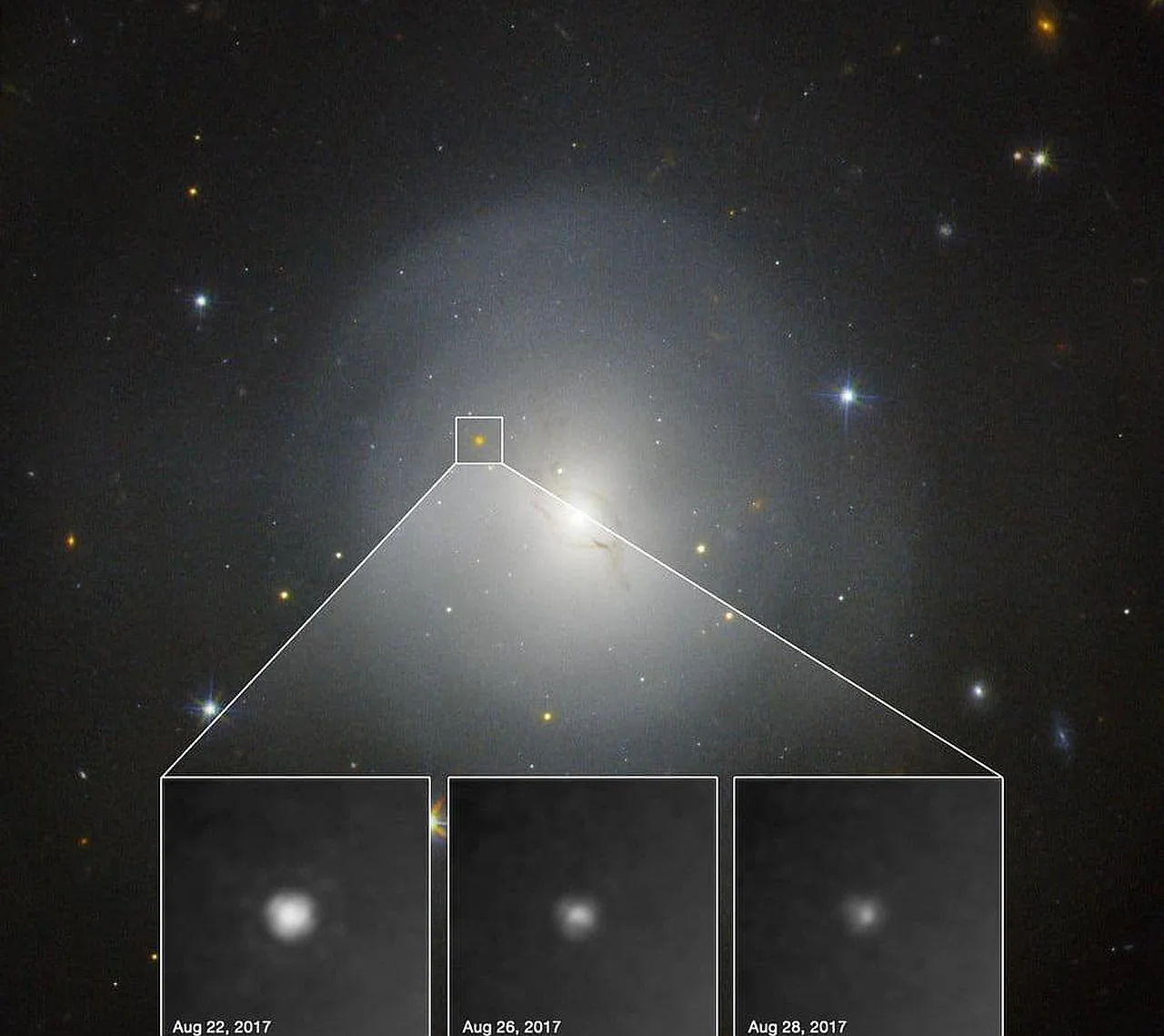
Astrophysicists at the GSI Helmholtz Centre for Heavy Ion Research (Germany) have successfully modeled the formation of heavy elements resulting from neutron star collisions in real time using neural networks. This new method, called RHINE, opens a new era in using AI capabilities to study the most complex physical processes in the universe. This is reported by Ixbt.com reports .
The emergence of gold, platinum, and many other heavy metals in the universe is linked to the collision of neutron stars — the r-process (rapid neutron capture). Until now, scientists have faced great difficulties in calculating this process. The reason is that the power of existing supercomputers was insufficient to simultaneously calculate the interaction of about 3,000 different isotopes.
Errors in traditional methods have been eliminated
Previously, such simulations were carried out in two stages: first, the collision itself was modeled, and then nuclear reactions were calculated separately. However, according to ixbt.com, this approach was inaccurate as it did not account for the impact of released energy on the movement of matter. The RHINE method combined these two processes using neural networks.Researchers created an ensemble consisting of 16 specialized neural networks. Instead of tracking thousands of isotopes, they analyze several key physical characteristics of the environment — the proportions of neutrons, protons, and heavy nuclei. This increased calculation speed several times over, bringing the process close to real-time.
Practical significance of the discovery
Tests conducted using the new model yielded unexpected results. When the energy released as a result of the r-process is taken into account, it turns out that the average velocity of matter ejected into space increases by 40 percent, and its mass by 20 percent. This energy helps the matter overcome the gravity of the central object (black hole).Furthermore, data obtained via the neural network allows for more accurate predictions of the brightness of a kilonova — the flash that occurs after neutron star collisions. According to calculations, 10 days after the collision, such a flash will be twice as bright as previously estimated. This helps astronomers obtain more precise data when observing events like GW170817 through telescopes.
Currently, the RHINE code and neural network models have been released for open access. This serves as a new tool for scientists worldwide to study the most mysterious processes in the universe and analyze data from future gravitational wave observatories. This technology was trained on the PyTorch platform and is a shining example of the successful integration of modern astrophysics and AI.


Comments 0
…