


China surpasses Elon Musk by launching an AI system in space
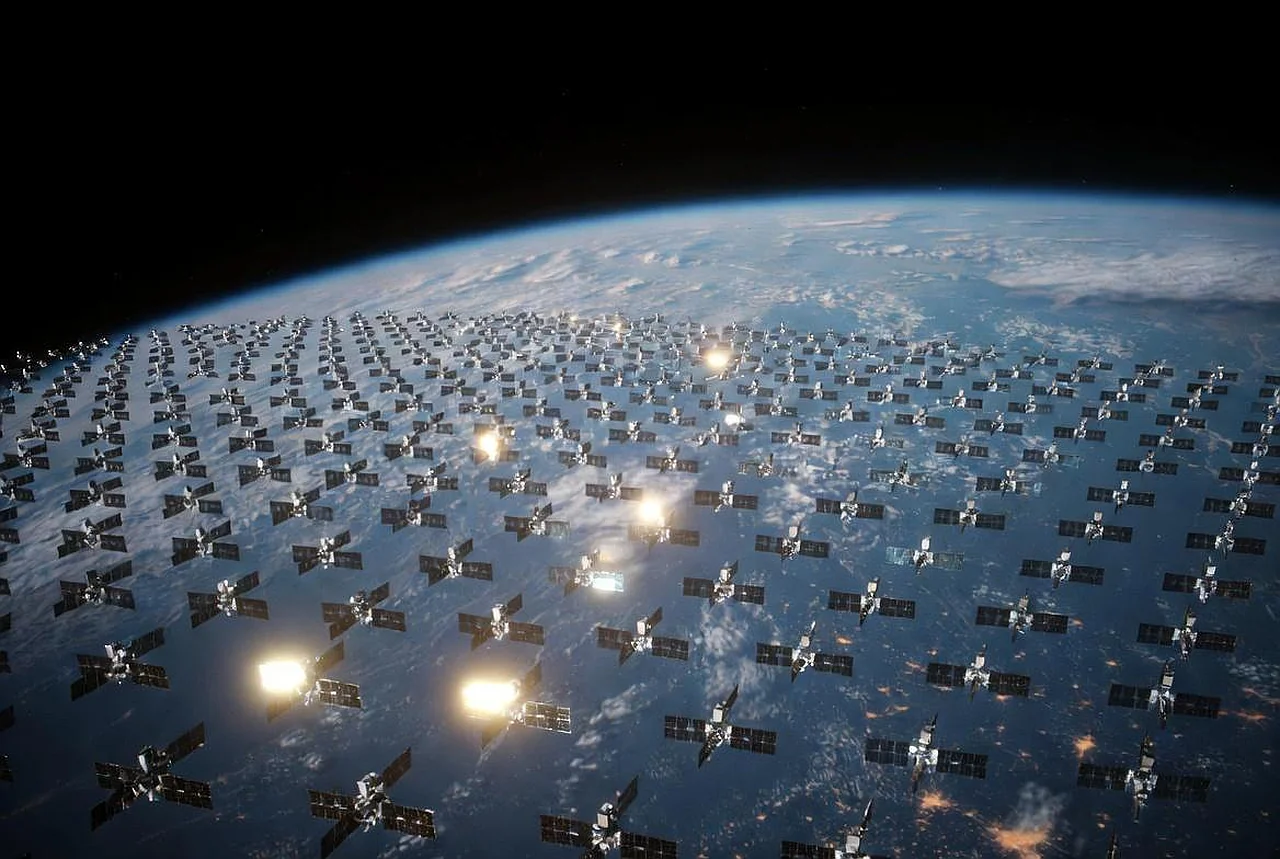
China's Xingshu Tiansuan Space Technology has successfully launched the first group of satellites designed for data processing in space. The project plans to launch a total of 1,000 satellites, marking the beginning of a new era in space computing systems. This technology allows data to be processed directly in orbit without needing to send it back to Earth. This is reported by Ixbt.com reports .
The concept of space computing involves analyzing AI tasks and remote sensing data directly on space stations. Currently, satellites transmit all raw data to Earth, which puts a heavy load on network bandwidth and causes time delays. The new system increases communication speed several times over by sending only finished results.
Technological race and global competition
According to Xingshu Tiansuan Space Technology, this launch is a significant step toward creating China's first commercial space computing network. Notably, this innovation coincided with the participation of Chinese leader Xi Jinping in the World Artificial Intelligence Conference in Shanghai, where Beijing positioned itself as a defender of the new global order in AI.According to ixbt.com, China is significantly outpacing Elon Musk and his company SpaceX in this regard. SpaceX, which merged with xAI in February, is also advancing its own projects to develop AI in space. However, Musk's plans are lagging: the billionaire aims to start launching new-generation satellites only next year and expects to achieve significant results by 2028.
Advantages of space computing
Experts believe that space computing networks offer the following advantages:- Drastic reduction in data transmission latency;
- Decongestion of communication channels between ground stations and satellites;
- Ability to make rapid decisions in emergency situations, such as monitoring natural disasters;
- Application of AI algorithms directly on space objects.
Currently, the Chinese company is working on fully forming its cluster of 1,000 satellites. If the plan is successful, the world's largest supercomputer network will emerge in space, posing a serious challenge to SpaceX and other Western tech giants.


Comments 0
…